
Choosing the right alessis electric drum set as a beginner requires balancing pad feel, module features, and overall budget. While the brand offers various configurations, the ideal choice depends on whether your priority is quiet practice, an acoustic-like rebound, or built-in digital learning tools. This guide breaks down the core specifications and physical requirements you need to evaluate, helping you match the right kit features to your specific practice environment and musical goals without relying on temporary marketing claims.
Starting your drumming journey can be overwhelming with the sheer number of electronic kits available. By focusing on the physical construction of the pads, the capabilities of the drum brain, and the stability of the hardware, you can make an informed decision that will support your learning for years to come. Let us explore the essential factors that distinguish beginner models and how to choose the one that fits your home setup.
Core Differences in Alesis Beginner Drum Pads
The physical material of the drum pads is the most critical factor influencing how the kit feels to play and how much noise it makes. Alesis kits generally feature either mesh heads or rubber pads. Mesh heads are highly recommended for beginners because they mimic the natural rebound and tension of an acoustic drum skin. This realistic response helps you develop proper stick technique, wrist control, and rebound management from day one, making it much easier to transition to an acoustic kit later.
Products mentioned in this guide
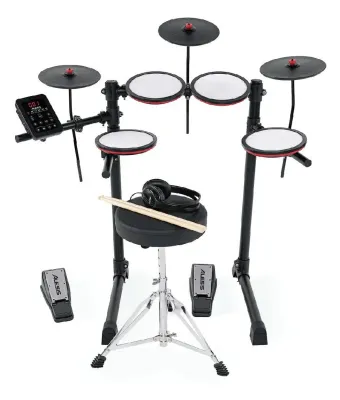
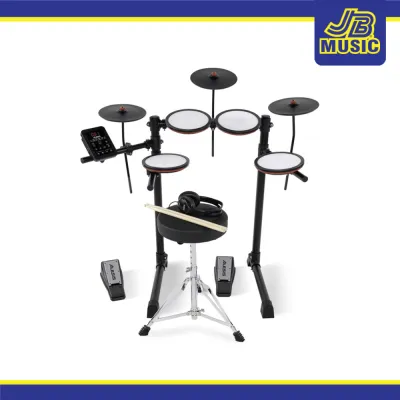
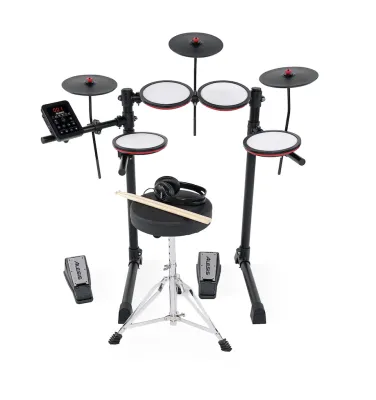
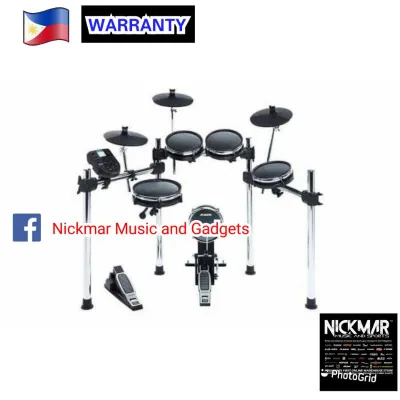
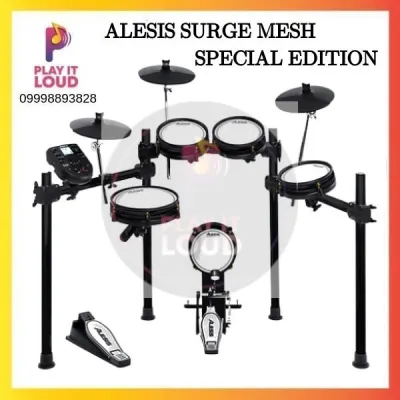
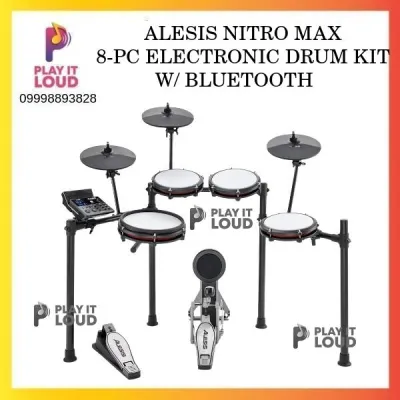
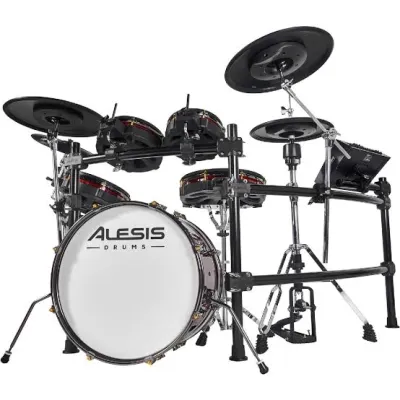
Prices are valid at publication and may change. Please refer to the product page for the latest price.
Rubber pads, while often found on older or highly budget-oriented models, offer a much stiffer playing surface. The rebound on rubber is less forgiving and can cause hand fatigue during long practice sessions. However, rubber pads are exceptionally durable and require virtually no maintenance. If you are looking for a kit that can withstand heavy, unstructured use, rubber remains a viable option, though it compromises on realistic playability.
Noise control is another major consideration, especially for those living in apartments, shared housing, or close-quarters residential areas in the Philippines. Mesh pads are significantly quieter than rubber pads when struck, reducing the sharp “clack” of plastic-tipped drumsticks to a dull, low-volume thud. This allows you to practice late at night or early in the morning without disturbing family members or neighbors.
It is important to note, however, that physical vibration is not entirely eliminated by mesh heads. The physical impact of the kick pedal and the hi-hat controller transmits low-frequency vibrations directly through the floor. In homes with tiled or wooden flooring, this vibration can travel to rooms below. Placing a thick rubber mat or a dedicated drum rug underneath the entire rack is a highly effective way to isolate these vibrations and keep your practice sessions truly silent.
When unboxing or testing a kit in a local showroom, perform a quick physical inspection of the pads. Check the tension of the mesh heads; they should feel firm but give slightly under finger pressure. Inspect the plastic rims and mounting clamps to ensure they are robust enough to handle repeated strikes. Finally, test the trigger responsiveness by tapping gently near the edges and harder in the center to ensure the pad registers a wide range of dynamics without dropping notes.
Evaluating the Drum Module and Connectivity
The drum module, often called the “brain” of the kit, translates your physical strikes into digital sounds. For beginners, the complexity of the module should match your immediate learning needs rather than offering hundreds of advanced settings you may not use. Look for a module that prioritizes intuitive navigation, allowing you to select kits, adjust volumes, and access practice tools with minimal menu diving.

Built-in learning tools are invaluable for structured practice. A reliable metronome with adjustable time signatures and tempos is essential for developing a steady sense of rhythm. Many beginner modules also include coaching modes that grade your timing accuracy or offer play-along tracks across various musical genres. These features keep practice engaging and provide immediate feedback on your progress without requiring external software.
Connectivity options determine how well the kit integrates with your digital life. Ensure the module features a USB/MIDI output, which is standard on most modern Alesis kits. This port allows you to connect the drum brain directly to a computer, laptop, or tablet. Once connected, you can use the kit as a MIDI controller to trigger high-quality drum libraries in a digital audio workstation (DAW) or interact with educational drumming applications.
For silent practice, verify the presence of a dedicated headphone jack. Most beginner modules use a standard 3.5mm or 6.35mm stereo output. Additionally, an auxiliary input (Aux In) is highly beneficial, as it allows you to plug in your smartphone or music player via an auxiliary cable. This setup lets you mix your favorite songs directly into your headphones alongside your drum sounds, making play-along practice seamless and enjoyable.
Hardware Stability and Space Requirements
An electronic drum kit must be physically stable to support proper playing posture and technique. The rack system holds the pads, cymbals, and module in place, and its design directly affects your comfort. Before purchasing, measure the available floor space in your designated practice area. A typical beginner electronic kit requires a footprint of approximately 1.2 meters by 1.2 meters, though some compact models can fit into slightly smaller corners.
Rack adjustability is crucial for ergonomic setup. You must be able to adjust the height and angle of the snare, tom pads, and cymbals to match your height and seating position. A rack that is too low or rigid can force you into poor posture, leading to back strain or improper wrist angles. Look for a multi-post rack design with secure clamps that allow independent adjustment of each component.
Sturdiness is another key factor to evaluate. During active play, especially when practicing energetic drum fills or heavy kick patterns, a flimsy rack will wobble or slide across the floor. Check the quality of the joints and clamps; metal clamps generally offer superior grip and longevity compared to thin plastic ones. If the rack joints slip easily under light pressure, the pads will shift out of position while you play, disrupting your flow.
Finally, verify exactly what accessories are included in the box. Some beginner packages are complete “all-in-one” bundles that include a drum throne, a pair of drumsticks, headphones, and a kick pedal. Other models are sold as standalone kits, meaning you will need to budget separately for these essential items. In particular, check whether the kit uses a physical kick pedal tower with a real bass drum pedal or a simple, low-profile foot controller, as this significantly impacts the physical feel of your bass drum practice.
Decision Framework: Matching the Kit to Your Goals
To finalize your choice, align the features of the kit with your primary practice goals and living situation. If your main objective is quiet, affordable practice in a small room or apartment, an entry-level mesh kit with a compact rack is the most practical choice. These models offer a small footprint, essential coaching tools, and a quiet playing surface at an accessible price point, making them perfect for testing your long-term interest in the instrument.
If you are committed to long-term learning, plan to record your music, or want to explore advanced sound customization, look toward a mid-tier model. These kits typically feature larger dual-zone pads (allowing you to play rimshots), chokeable cymbals, and a more advanced module with expandable sound options. While the initial investment is higher, the added physical realism and connectivity will prevent you from outgrowing the kit too quickly as your skills improve.
Before making your final decision, verify the local warranty terms and the reputation of the seller. Purchasing your alessis electric drum set from an authorized dealer in the Philippines ensures that you receive a genuine product and have access to reliable after-sales support. Check the current pricing in ₱ and confirm the return policy, as electronic components can occasionally require troubleshooting or replacement during the initial setup phase.
Frequently Asked Questions (FAQ)
Do I need an amplifier for an Alesis electric drum set?
No, you do not need an amplifier for daily practice. A good pair of stereo headphones plugged directly into the module’s headphone jack is sufficient for silent practice and keeps your playing quiet for those around you. An external drum amplifier or PA system is only necessary if you want to perform live, practice with a band, or play aloud for an audience in a larger room.
Can I use double bass pedals with beginner Alesis models?
Compatibility with double bass pedals depends entirely on the design of the kick pad. Some entry-level models use a compact, integrated foot controller or a very narrow kick pad that cannot physically accommodate two beaters side-by-side. If you plan to practice double bass drumming, verify that the kit features a dedicated kick pad tower wide enough to fit a double pedal assembly and that the rack provides enough clearance.
How do I update the sounds on the drum module?
Most entry-level and mid-tier beginner drum modules do not support direct user sampling or internal sound replacement. To expand your sound options, you must connect the module to a computer via a USB/MIDI cable. Once connected, you can use virtual drum software on your computer to trigger high-end, realistic drum samples, using your physical kit as a MIDI controller.
Community discussion
Share your experience or ask a question. Comments are reviewed before publication.