
Starting your journey into the world of Tagalog romance literature often leads to one definitive name: Martha Cecilia. For decades, her novels have captured the hearts of millions of readers, serving as a cornerstone of Philippine popular culture. If you are new to her extensive bibliography, the best way to start is by choosing a book that aligns with your favorite romance tropes or by diving into her most famous screen-adapted series. Because her stories range from standalone contemporary dramas to sprawling family sagas, understanding how to navigate her work ensures a highly satisfying reading experience.
Entering this vibrant literary landscape does not require any prior knowledge of Tagalog pocketbooks. Whether you prefer stories of intense emotional conflict, second-chance romances, or sweeping provincial dramas, there is a specific entry point tailored to your taste. By focusing on her most accessible and celebrated works, you can easily appreciate why her storytelling remains a beloved staple in Filipino households.
Understanding the Appeal of Martha Cecilia's Tagalog Fiction
To fully appreciate these pocketbooks, one must understand the unique emotional hooks that define the author’s signature style. Her novels are celebrated for their intense emotional drama, where high-stakes conflicts are balanced by deeply satisfying romantic resolutions. The characters are often driven by powerful motivations—such as family honor, deep-seated secrets, or unspoken devotion—which create compelling tension from the very first page.
Products mentioned in this guide
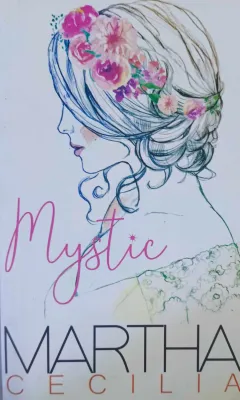
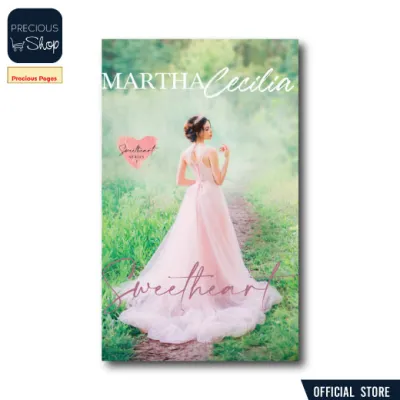
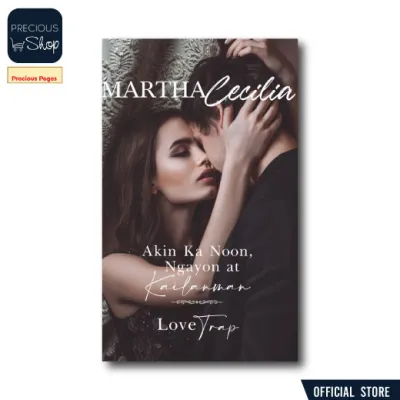
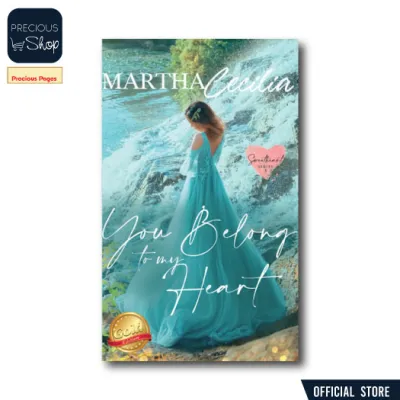
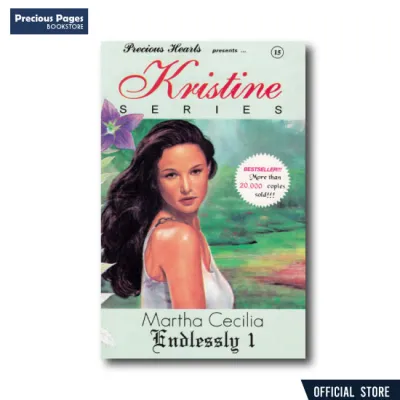
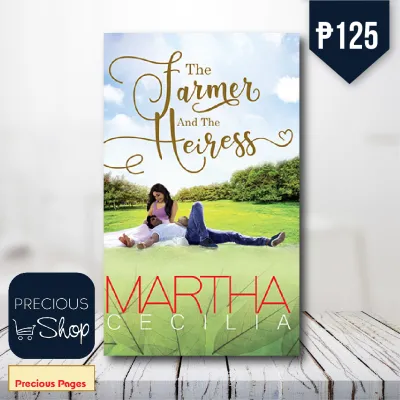
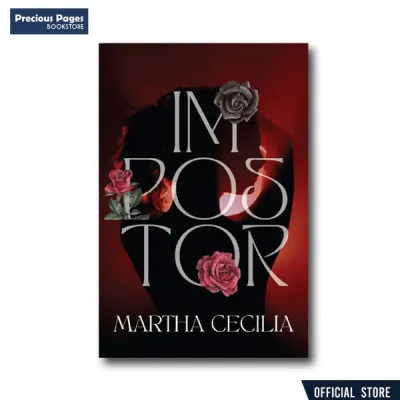
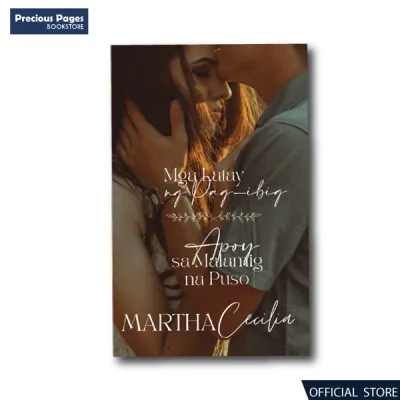
Prices are valid at publication and may change. Please refer to the product page for the latest price.
At the heart of these narratives is a rich portrayal of Filipino family values and societal expectations. The stories frequently explore the complexities of filial piety, the pressure of maintaining social standing, and the sacrifices individuals make for their loved ones. This cultural backdrop adds layers of depth to the romance, making the characters’ struggles feel deeply relatable and grounded in real-world dynamics.
Another key element of her appeal is her masterful command of language. Her writing style seamlessly balances accessible, conversational Tagalog with moments of profound emotional resonance. This makes her books highly readable for beginners, including those who are still building their fluency in the language, while still delivering the poetic intensity that romance readers crave.
Furthermore, the tropical settings of her novels play a crucial role in establishing their atmosphere. From the humid, sun-drenched haciendas of the provinces to the bustling, fast-paced streets of Manila, the environment acts as an active participant in the story. The warmth and intensity of the climate often mirror the passionate journeys of the protagonists, enhancing the overall sensory experience of the narrative.
Choosing Your First Book Based on Preferred Romance Tropes
One of the most effective ways to select your first Martha Cecilia pocketbook is by identifying the narrative themes that resonate most with you. Her vast collection covers a wide array of classic romance tropes, each executed with her characteristic dramatic flair. By matching your reading preferences to these established themes, you can find an entry point that keeps you turning pages late into the night.

Contract and Arranged Marriages Stories featuring forced proximity and marriage of convenience are incredibly popular among romance enthusiasts. In these novels, protagonists are often pushed into marital agreements due to family obligations, financial arrangements, or unexpected circumstances. As they navigate their new lives together, initial resentment and hidden motives gradually give way to genuine affection and deep emotional bonds. This trope is perfect for readers who enjoy slow-burn romances where trust must be earned over time.
Revenge and Redemption If you prefer high-stakes drama filled with secrets and intense emotional conflict, stories centered on revenge and redemption are an excellent choice. These narratives typically involve a protagonist returning to right a past wrong, only to find their plans complicated by lingering feelings or hidden truths. The emotional tension in these books is exceptionally high, as characters struggle between their desire for retribution and the healing power of forgiveness.
Rags-to-Riches and Class Divides The classic theme of overcoming social barriers remains a powerful draw in Tagalog fiction. These stories highlight the challenges faced by lovers from contrasting socioeconomic backgrounds, navigating wealth disparities and fierce family opposition. The narrative focus often centers on social mobility, personal resilience, and the ultimate triumph of love over societal expectations, offering a deeply satisfying and inspiring read.
Small-Town and Provincial Settings For a warmer, more nostalgic reading experience, novels set in close-knit provincial communities are highly recommended. These books emphasize strong community ties, simpler lifestyles, and the comforting rhythms of rural life. The romance in these settings often develops alongside family dramas and local traditions, providing a rich, atmospheric look at life outside the major cities.
Starting with Screen-Adapted and Flagship Series
Another practical pathway for beginners is to look for pocketbooks that have successfully transitioned to television or film. Over the years, several of Martha Cecilia’s most iconic works have been adapted into popular Filipino teleseryes, making them highly recognizable even to those who have never read a pocketbook before. Starting with these adapted titles allows you to compare the original written text with the on-screen portrayal, adding an extra layer of enjoyment to your reading.
When exploring these flagship series, it is helpful to understand the difference between standalone novels and interconnected family sagas. Some of her most famous lines, such as the legendary Kristine series, span multiple volumes and follow the lives of several generations of characters. For a beginner, starting with a standalone book within a shared universe can offer a taste of the grand scale without requiring an immediate commitment to a long, multi-book reading order.
As you begin collecting, pay close attention to publication dates and reprint editions. Many of her classic stories have been reissued over the years with updated covers and revised formatting. Checking for these newer editions ensures that you are reading a complete, well-preserved text that maintains the integrity of the original story while offering improved readability.
It is also wise to verify the completeness of the edition before making a purchase. Some older prints may suffer from missing pages or poor binding due to age and storage conditions in humid tropical climates. Opting for officially licensed reprints from established publishers guarantees that you receive the full narrative without any frustrating gaps in the text.
How to Source and Verify Authentic Pocketbooks
To ensure a high-quality reading experience and support the preservation of local literature, sourcing authentic copies of these pocketbooks is essential. Legitimate copies can be found at authorized physical bookstores, official publisher outlets, and reputable online marketplaces. Purchasing from these verified sources guarantees that the author’s estate and the publishing team are properly supported.
When browsing physical bookstores, you will often find these pocketbooks priced affordably, typically marked with a clear price tag in ₱ on the back cover. When shopping on online platforms, it is important to verify the physical quality and authenticity of the book. Look for official publisher logos, clear print quality, and valid ISBN barcodes on the back cover. Counterfeit or pirated copies often feature blurry text, low-grade paper that deteriorates quickly in high humidity, and frequent typographical errors that can disrupt your reading flow.
Additionally, always check the language specifications of the edition you are purchasing. While the vast majority of these pocketbooks are written in their original, expressive Tagalog, some authorized translations or bilingual editions may exist. Verifying the language on the product details page or the book’s copyright page ensures the text matches your reading preferences and language learning goals.
Finally, consider the storage and care of your pocketbooks once you acquire them. The tropical climate of the Philippines, characterized by high humidity, can cause paper to yellow or develop mold over time. Storing your collection in a cool, dry place away from direct sunlight, and occasionally airing out the pages, will preserve these cherished novels for years to come.
Frequently Asked Questions (FAQ)
Do I need to read Martha Cecilia's books in chronological order?
Most of her pocketbooks are written as standalone stories, meaning you can read them in any order you prefer without losing track of the plot. However, for her famous multi-volume family sagas, reading the books in their intended sequence enhances the experience by allowing you to follow the characters’ lineages and evolving family dynamics over time. You can easily identify these connected stories by checking the series labels on the front cover or consulting official publisher guides.
Are her pocketbooks available in English?
The vast majority of her original works are written in Tagalog, which is central to their emotional impact and cultural authenticity. While some select titles may have received official English translations or bilingual adaptations over the years, these are relatively rare. If you prefer reading in English, it is highly recommended to check the official catalogs of authorized publishers to verify if a specific title has an approved translation available.
How can I track down out-of-print titles?
Finding older or out-of-print editions requires a bit of patience and careful searching. Excellent starting points include reputable secondhand book markets, local library archives, and authorized digital lending platforms. To protect your devices and support the literary community, avoid downloading files from unauthorized PDF sharing sites, which often distribute incomplete, poorly formatted, or illegally scanned copies of the author’s work.
Community discussion
Share your experience or ask a question. Comments are reviewed before publication.