
Starting a new author’s bibliography can feel like stepping into an unfamiliar landscape, especially when navigating the vibrant world of contemporary Filipino fiction. For readers looking to explore the emotional, dramatic, and deeply relatable stories of Imelda Papin, finding the right starting point is key to a rewarding reading experience. Whether you are a seasoned fan of local romance or a newcomer curious about modern Tagalog literature, understanding how to navigate her catalog will help you make an informed choice.
To get the most out of your reading journey, it helps to understand the formats, themes, and distribution channels unique to the local publishing industry. By focusing on your personal reading preferences and learning how to identify authentic editions, you can easily find a book that captures your interest. This guide provides a practical framework to help you select your first book, verify its authenticity, and enjoy a seamless introduction to her work.
Understanding Imelda Papin's Core Themes and Style
Imelda Papin’s literary style is deeply rooted in the rich tradition of Filipino storytelling, characterized by intense emotional stakes, complex interpersonal dynamics, and a strong focus on family values. Her narratives often explore the delicate balance between personal desire and familial duty, a theme that resonates strongly with readers in the Philippines. The pacing of her books typically mirrors the slow-burn tension of classic dramas, allowing characters to develop naturally before reaching high-stakes emotional climaxes.
Products mentioned in this guide
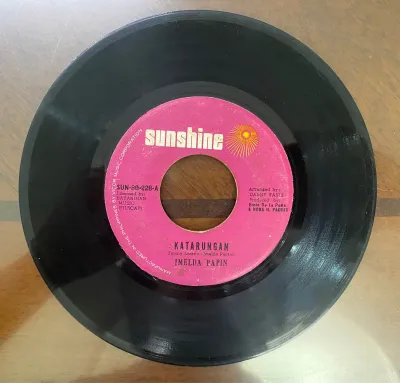
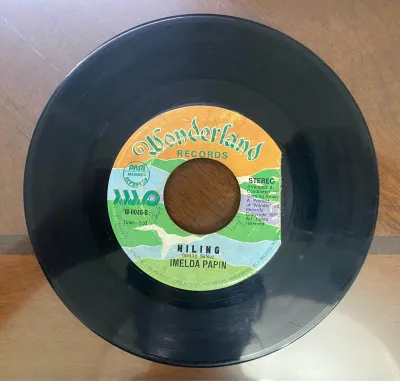
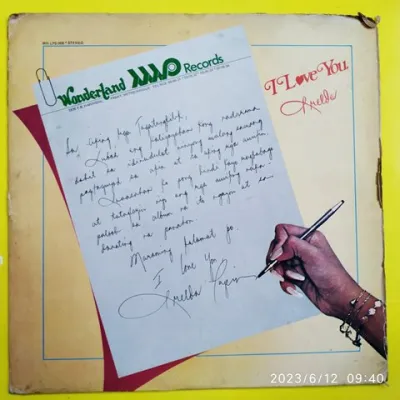
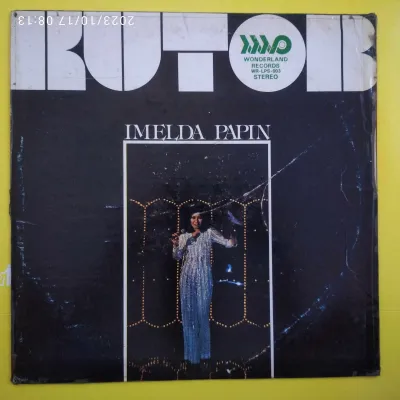
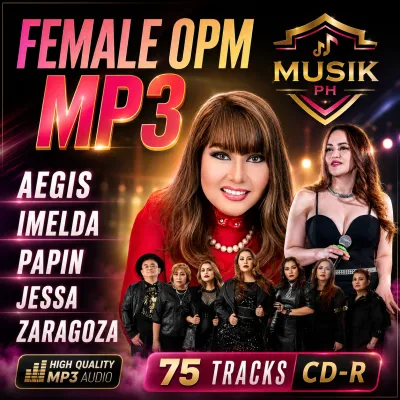
Prices are valid at publication and may change. Please refer to the product page for the latest price.
Her primary genres include Tagalog romance, family drama, and contemporary fiction. Within these genres, readers can expect familiar tropes such as class divides, forbidden love, and personal redemption. The emotional tone of her work is often earnest and sentimental, designed to evoke strong empathy from the reader as characters navigate hardships, societal expectations, and romantic misunderstandings.
Language is another crucial consideration when choosing your first book. Most of her works are written in Tagalog or Taglish, a natural blend of Tagalog and English that reflects everyday conversation in urban centers. This linguistic choice makes her books highly accessible, capturing the nuances of local humor, grief, and affection in a way that pure English translations often struggle to replicate. For readers who are still building their fluency in Tagalog, Taglish editions offer an excellent middle ground, providing context clues through familiar English phrases.
Choosing Your Entry Point Based on Reader Preferences
To find the ideal entry point, match your current reading mood to the specific sub-genres within her bibliography. If you prefer lighthearted narratives, look for titles categorized under contemporary sweet romance. These stories typically feature relatable protagonists navigating the early stages of love, workplace crushes, or academic rivalries. When browsing online catalogs, check the book descriptions for keywords like romantic comedy, lighthearted, or slice-of-life to ensure the tone matches your preference.

For readers who thrive on high-stakes emotional conflict, her family dramas and intense romance novels are the ideal choice. These books often delve into themes of betrayal, social class disparities, and long-held family secrets. To identify these titles, look for synopsis details that mention family feuds, forbidden love, or personal redemption arcs. These stories offer a more intense reading experience, perfect for a rainy afternoon during the monsoon season when you want to lose yourself in a gripping narrative.
If you enjoy stories focused on personal growth and self-discovery, seek out her youth-oriented or coming-of-age fiction. These narratives follow younger protagonists as they transition from academic life to the professional world, dealing with peer pressure, identity crises, and first loves. These books tend to have a slightly faster pace and focus heavily on character development and modern social issues.
Before purchasing any of these books, it is essential to verify the specific edition’s availability and format. Physical copies in the Philippines can vary significantly in print quality, with some older editions printed on standard newsprint while newer releases utilize premium cream paper. Prices generally range from ₱150 to ₱400, so checking authorized publisher listings will ensure you pay a fair price for a legitimate copy.
Navigating Series, Standalones, and Reading Orders
Navigating a prolific author’s bibliography requires a clear strategy regarding series and standalone novels. Standalone books are highly recommended for beginners because they offer a self-contained story with a definitive beginning, middle, and end. This allows you to experience the author’s writing style, pacing, and thematic depth without committing to a multi-book narrative.
If you decide to explore her interconnected series, pay close attention to the publication order versus the chronological order. Many Filipino romance series feature shared universes where characters from one book make cameo appearances in another. While these can often be read independently, starting with the first published volume ensures you fully grasp the background relationships and world-building. Always check the book’s copyright page or the publisher’s official website to confirm if a title is part of a larger sequence.
Additionally, keeping track of completed series versus ongoing ones is vital. Reading an ongoing series means waiting for future releases, which can sometimes experience delays in the local publishing cycle. For a smoother initial experience, prioritize completed series or standalone novels so you can enjoy a fully resolved story arc without interruption.
Sourcing Authentic Editions and Checking Formats
In the local book market, sourcing authentic editions is crucial for supporting the author and ensuring a high-quality reading experience. Authorized physical copies can be found at major national bookstore chains, independent local bookshops, and official publisher storefronts on major ecommerce platforms. Purchasing from these channels guarantees that you receive a complete text free of printing errors, missing pages, or low-quality binding.
When shopping online, be vigilant against unauthorized reproductions or pirated digital copies. These illicit versions, often sold as cheap PDFs or poorly bound photocopies on unauthorized marketplaces, not only harm the publishing industry but also frequently contain corrupted files, missing chapters, and severe formatting issues. To protect your purchase, look for official seller badges, read customer reviews focusing on print quality, and verify that the publisher listed on the product page matches the author’s official distribution partners.
For digital readers, ensure that the file format, such as EPUB or PDF, is compatible with your specific e-reader, tablet, or smartphone application. Official digital platforms usually provide a sample chapter, allowing you to check the formatting, font readability, and overall digital layout before finalizing your purchase. Additionally, consider the storage conditions of physical books in the Philippines; the high humidity can cause pages to yellow or warp over time, making digital editions a convenient, climate-resistant alternative for long-term preservation.
Frequently Asked Questions (FAQ)
Are Imelda Papin's books available in English translations?
The primary language of her original publications is Tagalog or Taglish, which preserves the authentic cultural context and emotional depth of the stories. While some highly popular local titles occasionally receive official English translations, they are relatively rare in the mass-market romance genre. Readers should carefully inspect the product details, language tags, and sample pages on digital bookstores to confirm the language of a specific edition before buying.
Do I need to read her online serialized drafts before the published books?
Many local authors begin their writing journeys by sharing serialized drafts on online writing platforms or social media groups. However, reading these early drafts is not necessary to enjoy the published books. The commercially released editions undergo professional editing, proofreading, and structural refinement, resulting in a much more polished narrative with improved pacing, corrected grammar, and sometimes exclusive bonus chapters or altered endings. The published book stands alone as the definitive, high-quality version of the story.
Community discussion
Share your experience or ask a question. Comments are reviewed before publication.