
Finding affordable, high-quality reading materials in the Philippines is a rewarding pursuit for bookworms. While brand-new paperbacks and hardcovers in major retail chains can be expensive, the second-hand book market offers an abundant and budget-friendly alternative. From classic English literature to beloved Tagalog romance and contemporary novels, pre-loved books are widely available if you know where to look.
Navigating this market requires a mix of digital savvy and physical exploration. The tropical climate of the Philippines presents unique challenges for book preservation, making thorough inspection essential. High humidity, seasonal rains, and storage conditions can easily damage paper, meaning buyers must learn to distinguish a well-preserved gem from a deteriorating copy.
Whether you prefer browsing digital listings from the comfort of your home or digging through dusty shelves in local thrift shops, a systematic approach will help you build an impressive collection. By understanding the nuances of online transactions, physical thrifting, and seasonal book events, you can secure excellent reads while supporting sustainable, circular reading habits.
Products mentioned in this guide
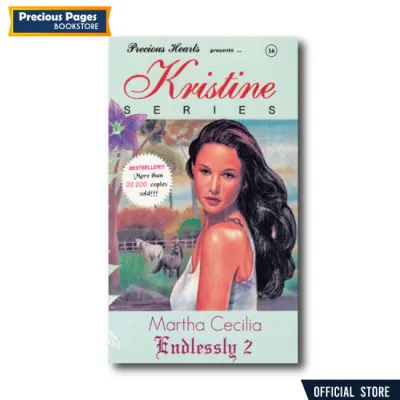
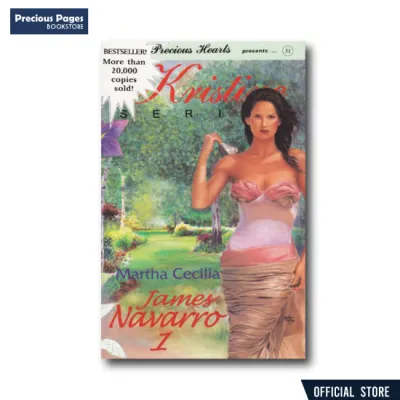
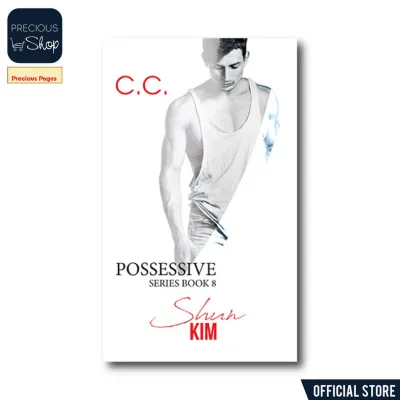
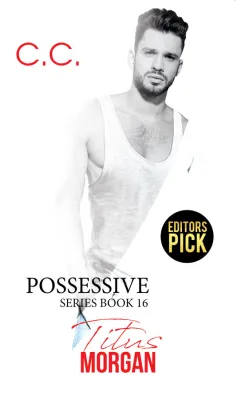

Prices are valid at publication and may change. Please refer to the product page for the latest price.
Sourcing from Online Marketplaces and Community Groups
Online classifieds and social media networks have transformed how readers buy and sell pre-loved novels. Dedicated buy-and-sell groups, community forums, and digital marketplaces host thousands of active listings daily. These platforms are particularly useful for finding specific English fiction titles or niche Tagalog pocketbooks that are no longer in print.
To ensure a successful transaction, start by evaluating the seller’s profile and transaction history. Reliable sellers often have established profiles with positive feedback, active participation in reading communities, and a history of successful transactions. Look for listings that feature clear, high-resolution, and unedited photos of the actual book rather than stock images. Sellers who take the time to photograph the front, back, spine, and open pages are generally more transparent about the item’s true condition.
Before committing to a purchase, use a structured communication checklist to clarify the book’s details. Ask the seller to confirm the exact edition, publication year, and language of the text. Inquire about specific physical defects, such as spine creasing, loose pages, water stains, or heavy annotations. It is also wise to ask if the book comes from a smoke-free or pet-free home, as paper easily absorbs odors and allergens.
Mitigating transaction risks is crucial when dealing with independent online sellers. Whenever possible, utilize the built-in payment and shipping systems of established online marketplaces, which often feature buyer protection or escrow services. If you must transact directly, avoid making large upfront payments to unverified accounts. For local transactions, arranging a public meetup is a safe alternative. Choose well-lit, crowded public spaces such as major shopping malls, transit hubs, or active community centers, and always inspect the book thoroughly before handing over any payment.
Thrifting at Physical Ukay-Ukay and Used Bookstores
For many book lovers, nothing matches the tactile thrill of hunting through physical thrift shops, locally known as ukay-ukay, and independent used bookstores. These physical locations are scattered across urban centers and provincial towns, often hiding rare literary treasures among piles of household goods and clothing. Successful thrifting in these environments requires a patient mindset and a willingness to explore unorganized shelves.

Preparation is key to a productive thrifting trip. Because inventory in these shops changes rapidly and is rarely cataloged, visiting regularly is the best way to catch fresh arrivals. Set aside ample time to browse, as books are often stacked horizontally or tucked away in deep corners. Many shops do not separate English and Tagalog titles, meaning you will need to scan shelves methodically, looking past worn covers to find high-quality novels.
When you locate a potential purchase, perform a quick on-site physical inspection. Pay close attention to the integrity of the spine; a cracked or severely creased spine often indicates that pages may soon detach. Examine the edges of the pages for severe yellowing or foxing, which are common in the humid Philippine climate. Look closely for tiny dark spots or fuzzy patches that indicate mold, as introducing a moldy book to your home can contaminate the rest of your library. Additionally, check the print clarity of Tagalog editions, as some older local prints may have faded ink or low-quality paper that degrades quickly.
Do not hesitate to engage with the shop owners or staff during your visit. Building a friendly rapport can yield excellent results, as staff often know what is stored in their backrooms or incoming crates. You can ask if they have unlisted inventory or request that they notify you when specific genres, such as classic English literature or vintage Tagalog fiction, arrive. Many independent sellers are happy to keep a lookout for regular customers, saving you hours of searching in the future.
Hunting at Local Bazaars, Book Fairs, and Campus Sales
Seasonal events, community bazaars, and educational institutions offer excellent opportunities to source high-quality second-hand novels. Throughout the year, various organizations host book drives, garage sales, and clearance events that bring together diverse collections of pre-loved literature. These venues are particularly fruitful for finding well-maintained English novels and rare local publications.
Keep an eye out for weekend community bazaars, neighborhood garage sales, and library clearance events in your local area. University campuses are also prime locations, especially during graduation seasons or student council book drives. Graduating students often sell their personal libraries, including contemporary fiction, classic literature, and academic novels, at highly discounted prices. These campus sales are excellent sources for clean, lightly read English paperbacks.
If you are looking to buy in bulk or find scarce Tagalog literary works, these events are ideal. Many sellers at bazaars offer bundle discounts, such as purchasing three books for a flat rate, making it highly economical to stock up on reading material. Furthermore, local book fairs often feature independent collectors who specialize in preserving older Tagalog novels, poetry collections, and historical fiction that are rarely stocked in mainstream commercial retail stores.
When attending these physical events, proper preparation will ensure a smooth experience. Always carry cash, specifically in small denominations like ₱20, ₱50, and ₱100 bills, as many independent sellers and student booths may not have change for larger notes. While digital payment options are increasingly common, cash remains the most reliable and preferred method in busy bazaar environments. Additionally, bring your own reusable tote bags to carry your purchases comfortably throughout the day.
Inspecting and Verifying Book Condition Before Purchase
Before finalizing any second-hand book purchase, conducting a thorough physical inspection is essential to ensure you are getting a readable and durable copy. Unlike brand-new books, pre-loved novels carry a history of handling, storage, and environmental exposure. A systematic check prevents the disappointment of bringing home a book that falls apart after a few chapters.
Begin with a structural assessment of the book’s exterior. Examine the front and back covers for deep creases, tears, or peeling laminate. Inspect the spine carefully; press gently along its length to check if the glue has dried out and cracked, which can cause entire sections of pages to fall out. For hardcover editions, ensure the binding threads are intact and that the cover boards remain firmly attached to the page block.
Next, flip through the interior pages to check for completeness and cleanliness. Ensure there are no missing pages, particularly at the beginning and end of the novel where pages are most vulnerable to tearing. Scan for heavy annotations, highlighting, or ink stains that might distract from your reading experience. Be particularly vigilant about water damage, which causes pages to warp, stiffen, and stick together. Smell the book gently; a strong musty or sour odor indicates active mold or mildew, while tiny holes or powdery residue suggest insect infestations like booklice or silverfish, which thrive in warm, humid conditions.
Finally, verify the edition and language details of the novel. Check the copyright page to confirm whether the book is a complete, unabridged English original or an authorized local translation. For Tagalog novels, ensure you are purchasing the original work rather than a heavily condensed or unauthorized reprint. Verifying these details guarantees that you enjoy the story exactly as the author intended, without missing plot points or dealing with poor translation quality.
Frequently Asked Questions (FAQ)
Is it safe to buy second-hand books online in the Philippines?
Yes, buying second-hand books online is generally safe if you follow basic security practices. Always prioritize secure payment methods, such as platform-held escrow services or cash-on-delivery, which protect your money until the item is delivered. Avoid direct, unverified bank or mobile wallet transfers to sellers who have no established reputation. Be alert to red flags, such as a seller refusing to provide additional photos of the book’s condition, pressuring you for immediate payment, or insisting on moving the conversation off the official platform.
How can I find specific Tagalog novels that are out of print?
Finding out-of-print Tagalog novels requires targeting specialized channels. Join online social media groups dedicated specifically to local literature collectors and vintage book trading, where members often trade or sell rare titles. Monitor university library disposal sales and local community archives, which occasionally clear out older duplicates. Additionally, you can consult the reference desks of national or regional libraries for archival leads, or contact local independent publishers who specialize in authorized reprints of classic Philippine literature.
Community discussion
Share your experience or ask a question. Comments are reviewed before publication.