
Acquiring financial literacy does not have to come with a hefty price tag. Finding a genuine chinkee tan books sale in the Philippines is highly achievable if you know where to look and when to buy. These popular self-help and personal finance guides, which cover budgeting, saving, and debt management, are regularly discounted through a combination of official direct-to-consumer channels, major bookstore chains, and prominent online marketplaces.
By understanding the local retail landscape and planning your purchases around major sales events, you can build your personal finance library without straining your wallet. Maximizing your savings requires a strategic approach that balances format choices, platform vouchers, and shipping costs while avoiding the common pitfalls of counterfeit listings.
Setting Your Budget and Format Priorities
Before searching for the best deals, establish your personal preferences regarding book formats, editions, and overall condition. Physical paperbacks are excellent for readers who prefer a tactile experience, highlighting key passages, or sharing copies with family members. However, physical books are susceptible to wear and tear, especially when exposed to the high humidity of tropical climates in the Philippines, which can cause page yellowing or moisture damage over time.
Products mentioned in this guide


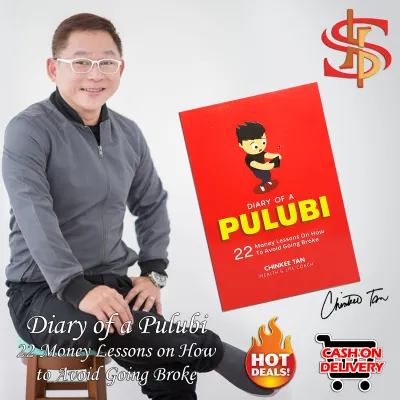



Prices are valid at publication and may change. Please refer to the product page for the latest price.
Digital formats, such as e-books, offer a highly practical alternative. They completely bypass physical wear, eliminate shipping costs, and are instantly accessible upon purchase. If your primary goal is to acquire the author’s financial frameworks and actionable advice, opting for digital editions or pre-loved physical copies is a sensible way to minimize your initial investment. Pre-loved books can often be found in online buy-and-sell groups or local second-hand shops at a fraction of their original retail price.
When evaluating discounted books, distinguish between essential and non-essential conditions to ensure a satisfying reading experience. Before finalizing any purchase, always verify the book’s edition, language, medium or file format, regional restrictions, device compatibility for digital files, content completeness, and the authorized source of the listing.
- Essential Conditions: Legible text, complete pages without missing chapters, and an intact spine or binding that keeps the book from falling apart.
- Non-Essential Conditions: A pristine, scratch-free cover, a first-edition print run, or a personalized author signature. If you only need the knowledge, minor cosmetic flaws should not deter you from a discounted purchase.
Best Channels to Hunt for Chinkee Tan Book Discounts
Finding legitimate discounts requires navigating various retail channels. While some buyers prefer the convenience of online shopping, others enjoy browsing physical shelves. Knowing the strengths of each channel helps you locate the best deals.

Official Stores and Direct Publishers
Buying directly from the author’s official website or verified social media storefronts is one of the safest ways to secure authentic copies while enjoying exclusive discounts. Direct-to-consumer channels frequently offer bundled packages, such as a complete set of financial diaries or a thematic trilogy, which significantly reduces the cost per book compared to buying individual titles.
In addition to price reductions, purchasing directly from the publisher or official store sometimes comes with unique perks. These can include signed copies, physical planners, motivational stickers, or exclusive access to online financial webinars. Buying directly also ensures that your money fully supports the author’s work and future publishing projects.
Major E-Commerce Platforms and Online Bookstores
Prominent online marketplaces in the Philippines host a variety of book sellers, ranging from individual resellers to authorized distributors. To find genuine discounts, utilize search filters to locate verified merchants or look for the official flagship stores of established local bookstore chains operating within these platforms. Following these official storefronts often unlocks immediate follower-only coupons.
To maximize your savings on these platforms, learn to stack multiple discounts during checkout. You can combine platform-wide promotional vouchers, shop-specific coupons, accumulated loyalty coins, and free shipping codes. Always read recent customer reviews, check the seller’s overall rating, and verify their shipping location to ensure a smooth transaction and guarantee that you are purchasing from a legitimate business.
Brick-and-Mortar Chains and Book Fairs
Offline shopping remains a highly effective method for finding steep discounts. Major local bookstore chains frequently feature clearance tables, bargain bins, or special promotional shelves where overstock items, older editions, or copies with minor cover scuffs are sold at reduced prices. Visiting these physical locations allows you to inspect the books directly before paying.
Local book fairs, national conventions, and publisher warehouse sales are also prime opportunities for discount hunting. These events often feature flat-rate discounts, buy-one-get-one deals, or special event pricing that is unavailable online. When shopping at physical sales, take a moment to flip through the pages to ensure the binding is secure, the text is clear, and there is no water damage from storage.
Timing Your Purchase for Maximum Savings
Retail cycles in the Philippines are highly predictable, allowing budget-conscious readers to plan their purchases for maximum impact. Online marketplaces regularly host double-digit sales events (such as 9.9, 10.10, 11.11, and 12.12) alongside bi-monthly payday promotions, which typically occur around the 15th and 30th of each month. These periods offer the highest concentration of platform-wide vouchers and free shipping deals.
Book-specific promotions also align with annual events and advocacy months. Look for discounts during National Book Lovers Day, back-to-school shopping seasons, and local reading advocacy months. The author’s book launch anniversaries or major seminar events are also common times for publishers to offer promotional pricing.
To stay ahead of these sales, add your desired titles to your online shopping cart or wishlist ahead of time. This allows you to receive automated notifications when prices drop or when flash sales begin. Unless you urgently need a specific guide for an upcoming seminar or personal project, avoid buying books at full retail price immediately before a major scheduled shopping event.
Calculating the True Cost of Your Order
The price tag on a book cover or a search results page does not always represent the final amount you will pay at checkout. To maintain a strict budget, calculate the total cost of your order by factoring in all additional fees before completing your purchase.
- Base Sale Price: The discounted cost of the book itself.
- Shipping Fees: Physical books are heavy, and delivery charges can vary significantly depending on whether the package is traveling within Metro Manila or to provinces in Luzon, Visayas, or Mindanao.
- Transaction Fees: Some payment methods or cash-on-delivery (COD) options incur small convenience fees from the courier or payment gateway.
To optimize your total spend, use a simple checklist before finalizing your order. Check if the seller offers free shipping once a certain spending threshold is met; in many cases, buying a two-book bundle with free shipping is cheaper than buying a single heavily discounted book with high freight charges. Additionally, compare the final checkout totals across different platforms, as a slightly higher base price on one site might be offset by a superior shipping voucher. Finally, review the seller’s return policy to ensure you will not be responsible for return shipping costs if the item arrives damaged.
Spotting and Avoiding Counterfeit Copies
The popularity of financial literacy guides has led to a rise in unauthorized, low-quality reprints on various online marketplaces. Purchasing these counterfeit copies not only results in a poor reading experience but also deprives the author and local publishers of their rightful earnings. Spotting these fakes requires careful attention to detail.
Counterfeit books are typically characterized by poor print quality, including blurry text, inconsistent ink darkness, and misaligned covers. The paper used is often thin, translucent, or of low-grade newsprint quality, which causes ink to bleed through to the other side. Furthermore, cheap binding glue is frequently used, causing pages to detach and fall out after only a few uses.
Price is often the most reliable indicator of a counterfeit product. If a listing offers a popular title for an exceptionally low price—such as ₱30 to ₱50 when the official retail price is consistently around ₱150 to ₱200—the item is almost certainly an unauthorized reprint. To protect your purchase, stick to verified flagship stores, look for official platform trust badges, and report any suspicious listings to the platform’s customer support team.
Frequently Asked Questions (FAQ)
Are e-books of Chinkee Tan's titles cheaper than physical copies?
Yes, e-books are generally priced lower than physical paperbacks because they eliminate the costs associated with paper, printing, warehousing, and physical distribution. They also bypass shipping fees entirely. When purchasing digital formats, always ensure you are buying from authorized digital distributors or the author’s official website to avoid downloading illegal PDF scans, and verify that the file format is fully compatible with your specific e-reader, tablet, or smartphone.
Can I buy Chinkee Tan books in bulk for a team or seminar at a discount?
Yes, bulk discounts are highly achievable for corporate training, school events, or seminar giveaways. To secure wholesale pricing, bypass standard retail channels and contact the publisher or the author’s official management team directly through their verified website. Wholesale rates and shipping arrangements are typically negotiated on a case-by-case basis depending on the total order volume and delivery requirements.
Community discussion
Share your experience or ask a question. Comments are reviewed before publication.