
Acquiring a complete set of the Tagalog Lectionary (Aklat ng Pagbasa) for liturgical use in the Philippines requires sourcing the volumes from authorized Catholic publishers, diocesan bookstores, or official cathedral offices. Because these sacred texts are used for the public proclamation of the Word of God during the Holy Sacrifice of the Mass, they must carry official ecclesiastical approval. Purchasing from authorized channels ensures that the translation is accurate, complete, and approved by the local bishops’ conference, while also guaranteeing that the physical books are durable enough to withstand daily parish use.
For parish priests, liturgical coordinators, and lay donors, finding the correct volumes involves navigating specific ecclesiastical standards and physical requirements. Liturgical books are not standard commercial publications; they are sacred tools that must meet strict criteria regarding translation fidelity, print layout, and binding durability. Understanding how to verify these books and where to purchase them prevents costly mistakes and ensures that your parish is equipped with texts that honor the dignity of the liturgy.
How to Verify Official Liturgical Approval
Before purchasing any Tagalog Lectionary, the most critical step is verifying its official liturgical approval. In the Catholic Church, any book destined for public worship must undergo a rigorous review process to ensure theological accuracy and translation fidelity. This process protects the integrity of the liturgy and ensures that the faithful hear the Word of God proclaimed exactly as authorized by the Church.
Products mentioned in this guide
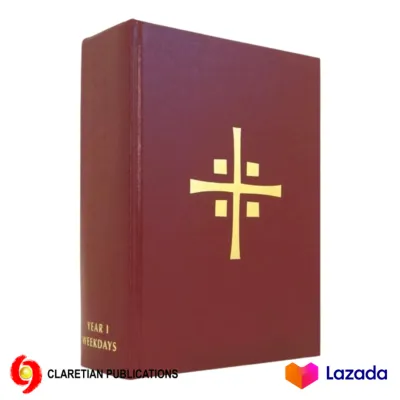
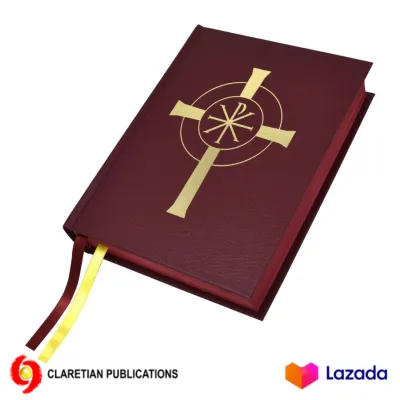
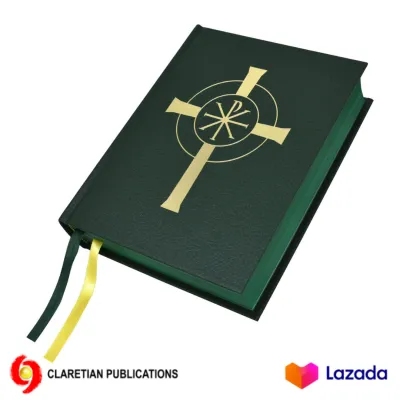
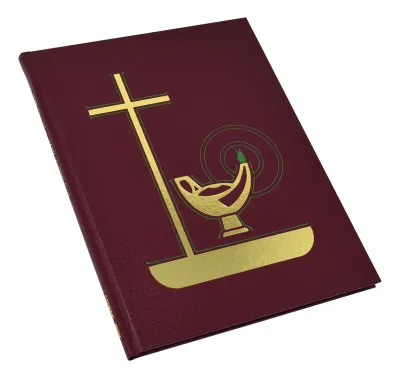
Prices are valid at publication and may change. Please refer to the product page for the latest price.
The primary indicators of official approval are the Nihil Obstat and the Imprimatur declarations, which are typically printed on the copyright page or the reverse side of the title page. The Nihil Obstat (Latin for “nothing stands in the way”) is issued by an appointed ecclesiastical censor who certifies that the text contains nothing contrary to Catholic faith or morals. Following this, the Imprimatur (Latin for “let it be printed”) is granted by a bishop, usually the local Ordinary of the diocese where the book is published, formally authorizing its printing and distribution.
For liturgical texts used in the Philippines, the translation must also be approved by the Catholic Bishops’ Conference of the Philippines (CBCP), specifically through its Episcopal Commission on Liturgy (ECL). The Tagalog translation used in the Lectionary must align with the official texts recognized by the Holy See’s Dicastery for Divine Worship and the Discipline of the Sacraments. When inspecting a volume, look for a formal decree or statement mentioning the CBCP’s approval and the date of its confirmation.
Verifying the publisher is another reliable way to confirm legitimacy. Authorized Catholic publishing houses work directly with diocesan authorities and the bishops’ conference to produce these texts. If a book is self-published, printed by an unrecognized secular press, or lacks the official signatures of ecclesiastical authorities, it is not authorized for public liturgical use. Using unapproved texts at the ambo violates liturgical norms and can introduce translation errors or unauthorized textual alterations into the celebration of the Mass.
Where to Find Authorized Catholic Bookstores and Publishers
To ensure you are purchasing authentic, high-quality, and officially approved Tagalog Lectionary volumes, you should buy directly from established Catholic publishers and diocesan outlets. These institutions specialize in liturgical materials and maintain direct relationships with the ecclesiastical authorities responsible for approving the texts.

Diocesan bookstores and cathedral gift shops are among the most reliable physical locations to source these volumes. Most dioceses in the Philippines operate a central bookstore, often located within the cathedral parish compound, the diocesan chancery, or a pastoral center. These stores cater directly to the needs of local parishes and almost exclusively stock approved liturgical books, vestments, and sacred vessels. If a specific volume is out of stock, diocesan staff can often coordinate with the central publisher or other dioceses to secure a copy for you.
Several prominent Catholic publishing houses in the Philippines are officially authorized to print and distribute liturgical books. Institutions such as St. Pauls (operated by the Society of St. Paul), Paulines (operated by the Daughters of St. Paul), Claretian Communications Foundation, and Word & Life Publications are primary sources for these texts. These publishers maintain physical flagship stores in major metropolitan areas—including Metro Manila, Cebu, and Davao—and operate official, secure websites where parishes can browse and order complete sets.
While online shopping offers convenience, buyers must exercise extreme caution when searching for liturgical books on general e-commerce platforms and online marketplaces. Unauthorized third-party sellers frequently list pirated photocopies, low-quality digital reprints, or outdated editions that lack proper binding and ecclesiastical approval. These unauthorized copies often suffer from missing pages, poor ink quality, and weak bindings that fall apart quickly under parish use. To avoid these issues, always purchase directly from the official online storefronts of recognized Catholic publishers or verified diocesan media centers.
Which Volumes Make Up the Complete Lectionary Set
A complete Tagalog Lectionary set is not a single book but a collection of multiple volumes organized according to the liturgical calendar. Understanding the structure of the complete set is essential for building an accurate purchasing list and ensuring your parish has the necessary texts for every celebration throughout the year.
The first major component of the set consists of the volumes for Sundays and Solemnities (Mga Pagbasa sa Linggo at mga Dakilang Kapistahan). These volumes are organized around the three-year liturgical cycle: Year A, Year B, and Year C. Depending on the publisher, these may be bound as three separate volumes or combined into a single, comprehensive volume. These books contain the first reading, responsorial psalm, second reading, and gospel for all Sundays of the year, as well as major solemnities and feasts of the Lord.
The second component covers the weekday celebrations (Mga Pagbasa sa Araw-araw). Weekday readings are organized into a two-year cycle (Year I for odd-numbered years and Year II for even-numbered years). These are typically divided into multiple volumes based on the liturgical seasons. For example, one volume may cover Advent, Christmas, Lent, and Easter, while another separate volume (or set of volumes) covers the thirty-four weeks of Ordinary Time. Having the complete weekday set ensures that daily Mass can be celebrated without interruption.
The third component includes dedicated volumes for specific pastoral and sacramental occasions. These include the Lectionary for Ritual Masses (such as weddings, confirmations, and ordinations), Masses for Various Needs and Occasions (such as prayers for peace, harvest, or civic leaders), and Votive Masses. Additionally, a dedicated volume for Masses for the Dead (Misa sa Libing at Pag-alaala) is essential for funeral liturgies and memorial services. Ensuring you have these pastoral volumes completes the liturgical library of a fully functioning parish.
Essential Pre-Purchase Checks for Altar Use
Once you have located an authorized source and identified the necessary volumes, you must perform several physical and practical checks before finalizing your purchase. Liturgical books undergo heavy daily use and must meet specific practical standards to serve their purpose effectively at the ambo.
Physical durability is a primary consideration, especially under the tropical climate conditions of the Philippines. High humidity, heat, and seasonal moisture can cause poor-quality paper to warp, yellow, or stick together, while weak adhesives can cause pages to fall out. Look for volumes with robust hardbound covers, preferably wrapped in high-quality leatherette or reinforced cloth that resists moisture and wear. The binding must be sewn (such as Smyth sewn) rather than merely glued; a sewn binding allows the book to lay completely flat when opened on the ambo, preventing the pages from turning unexpectedly during a proclamation.
Typography and layout are equally vital for public reading. The font size must be large and clear (typically 12-point or larger) to ensure readability under various sanctuary lighting conditions. The text layout should feature generous margins and clear line spacing so the reader does not lose their place. Additionally, standard liturgical printing uses red ink for rubrics (the instructional texts and headings) and black ink for the actual scripture readings; verify that the volume maintains this clear visual distinction to assist the lector during the liturgy.
Finally, consider availability and lead times when planning your purchase. Because complete liturgical sets are specialized, high-cost items, publishers do not always maintain large inventories of every volume. It is common for parishes to pre-order complete sets, particularly ahead of major liturgical transitions like the start of Advent or the dedication of a new church building. When ordering, inquire about shipping times, especially if the books need to be transported from central warehouses in Manila to provincial dioceses, and factor these timelines into your parish budget and planning.
Frequently Asked Questions (FAQ)
Can I use a digital or PDF version of the Lectionary for public liturgy?
No, digital or PDF versions of the Lectionary on tablets, smartphones, or laptops are not authorized for public liturgical proclamation during the Holy Mass. Liturgical norms emphasized by the Holy See and the local bishops’ conference require the use of physical, dignified books at the ambo. The physical book serves as a visible, sacred symbol of the dignity of the Word of God, distinguishing it from everyday secular technology. Furthermore, digital screens introduce practical risks such as battery failure, screen glare, distracting notifications, and technical glitches that can disrupt the solemnity of the celebration. While digital versions are excellent tools for personal study, preparation, and homily writing, only the approved physical books should be placed on the ambo.
Do I need to buy a new Lectionary when the liturgical translation is updated?
Yes, when the bishops’ conference mandates a newly revised translation of the liturgical texts, parishes must eventually transition to the updated volumes. Liturgical translations are periodically updated to ensure greater accuracy to the original biblical texts, improve pastoral clarity, or align with updated editions of the Roman Missal (Aklat ng Pagmimisa sa Roma). Once a new translation is officially promulgated and its mandatory implementation date is set by the CBCP, older editions lose their authorization for public liturgical use. To stay informed about upcoming translation updates and transition timelines, parishes should maintain close contact with their diocesan Liturgical Commission, which provides official guidance on when older volumes must be retired and replaced.
Community discussion
Share your experience or ask a question. Comments are reviewed before publication.