
Sourcing the official English translation of the 86 light novel series in the Philippines requires a strategic approach to navigating local retail inventories, online marketplaces, and digital alternatives. Written by Asato Asato and illustrated by Shirabii, this highly acclaimed military science fiction series has captured the attention of readers across the country. However, because physical book distribution can be inconsistent and counterfeit copies frequently circulate on popular e-commerce platforms, collectors must know how to identify authentic editions and where to buy them safely.
To secure your copies of the 86 light novel series, you can choose between physical paperbacks from local specialty bookstores, imported copies from international distributors, or immediate digital editions. Each sourcing method comes with distinct trade-offs regarding cost, delivery time, and physical preservation. By understanding the official publishing details and utilizing structured verification steps, you can build a complete, high-quality collection without falling victim to pirated prints or overpaying for shipping.
Identifying the Official English Editions
Before beginning your search, it is essential to understand the specifications of the official English release of the 86 light novel series. The series is officially licensed and translated into English by Yen Press, under their dedicated light novel imprint, Yen On. Knowing this publisher is your first line of defense against unofficial or poorly translated editions that may appear in search results.
Products mentioned in this guide
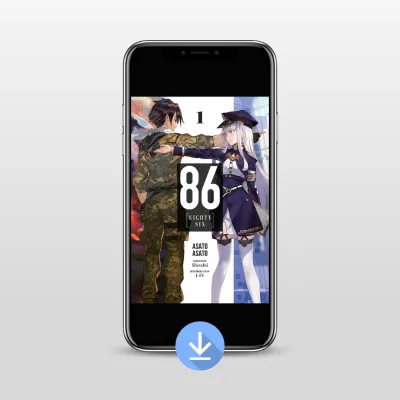
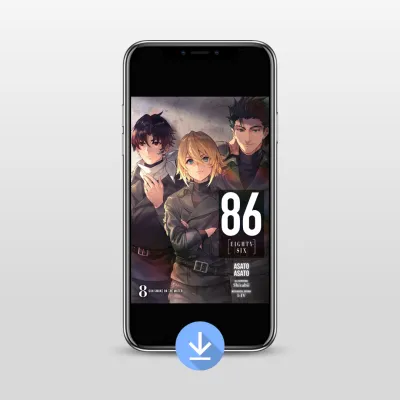
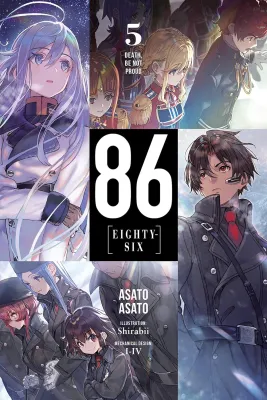
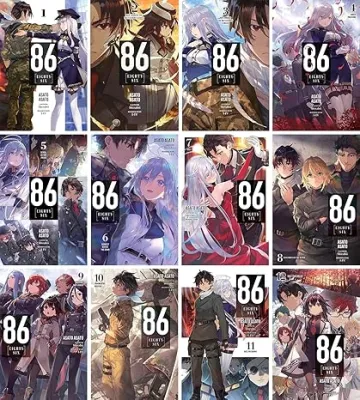
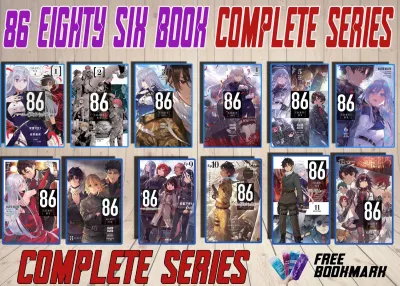
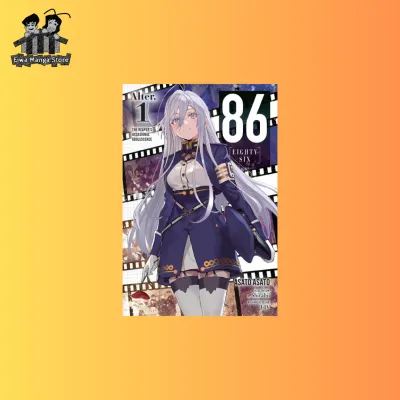
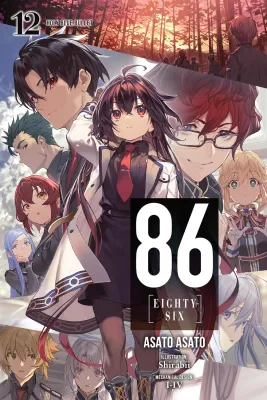
Prices are valid at publication and may change. Please refer to the product page for the latest price.
The official physical releases are primarily published in a standard trade paperback format. These volumes feature high-quality cover illustrations by Shirabii, characterized by vibrant colors, clean typography, and the prominent Yen On logo, which is typically located on the bottom corner of the front cover and the top of the spine. There are currently no official English hardcover editions of the main series volumes, so any listing advertising a hardcover version should be treated with caution as a potential counterfeit or custom-bound bootleg.
Tracking the volume numbers accurately is also vital for a seamless reading experience. The series is ongoing, with new volumes translated and released periodically. To ensure you are purchasing the correct sequence, cross-reference the volume numbers and titles with the official Yen Press release calendar. Keep in mind that some online listings might confuse the light novel volumes with the manga adaptation of the series; always verify that the product description explicitly states “light novel” rather than “manga” before finalizing your purchase, as these are separate adaptations with different art styles and narrative pacing.
Checking Local Physical Bookstores for Stock and Pre-orders
For many collectors in the Philippines, purchasing from a local physical bookstore is the most reliable way to acquire the 86 light novel series. Major retail chains, particularly Fully Booked, are known for maintaining a dedicated manga and light novel section in their branches. Specialty book retailers often import official Yen Press titles directly, making them the primary local source for physical copies.

To avoid unnecessary trips to the mall, you should utilize real-time stock checking strategies. Most major bookstore chains in the Philippines offer online inventory search tools on their official websites. You can search for the specific volume of the 86 light novel you need and check which physical branches currently have it on their shelves. If the online tool is inconclusive, contacting the customer service hotline or messaging the specific branch directly via their official social media channels is an effective way to have a store representative physically verify the book’s availability.
If a particular volume is out of stock, you do not have to rely on luck for a restock. Most reputable local bookstores allow customers to request special orders or join reservation waitlists. By speaking with a customer service representative, you can request that they order a copy of the missing volume during their next shipment cycle. Additionally, for upcoming English releases of the series, keeping an eye on the bookstore’s pre-order announcements allows you to secure your copy in advance, ensuring you do not miss out when the shipment arrives.
Buying locally offers several distinct advantages over importing individual books. First, you completely bypass international shipping fees and potential customs delays, paying a straightforward retail price in ₱. Second, physical purchasing allows you to inspect the book’s condition before paying. In the tropical climate of the Philippines, high humidity can sometimes cause paper covers to warp or pages to wavy up if stored improperly; buying in-store lets you verify that the book is pristine, free of dented corners, and has been kept in a dry, air-conditioned environment.
Buying from Online Bookstores and E-commerce Platforms
When local physical bookstores do not have the specific volumes of the 86 light novel series in stock, online shopping platforms and international book distributors become valuable alternatives. However, navigating online marketplaces requires a higher level of vigilance to ensure you are purchasing from authorized sellers rather than unauthorized third-party printers.
When shopping on local e-commerce platforms, always prioritize official stores or verified preferred sellers. Look for shops that specialize in imported books, manga, and light novels, and carefully examine their seller ratings and customer feedback. Authentic sellers will have consistent positive reviews, often accompanied by photos from actual buyers showing the official publisher logos and high-quality print details. Avoid sellers with low ratings, newly created accounts, or those that lack detailed, written customer reviews.
Calculating the total cost of your purchase in ₱ is crucial when comparing online options. While an international online bookstore might list a lower base price for a volume, the added cost of international shipping can significantly increase the final price. When ordering from overseas, look for platforms that offer consolidated shipping if you are buying multiple volumes at once, as this can distribute the shipping cost more economically. Be sure to review the final checkout screen carefully to identify any additional handling fees or local delivery charges before confirming your payment.
Online listings often contain red flags that can help you identify risky purchases. Be wary of listings with vague shipping timeframes, such as “ships within 30 days” without a clear explanation of pre-order status, as this often indicates the seller does not have physical stock and may be sourcing a custom print-on-demand copy. Missing publisher details in the product specifications, suspiciously low prices that fall far below standard retail rates, and the use of low-resolution or generic stock photos instead of actual product images are all strong indicators that the listing may not be for an authentic Yen Press book.
Spotting Authentic Copies and Avoiding Pirated Editions
The popularity of the 86 light novel series has unfortunately made it a frequent target for counterfeiters. Unofficial, pirated prints are common on local online marketplaces, often sold under misleading labels. To protect your collection and support the original creators, you must know how to spot these fake editions through observable physical characteristics.
The most reliable physical indicator of an authentic light novel is the paper quality. Official Yen Press publications use high-quality, lightweight, cream-colored paper that is specifically chosen for readability and durability. Counterfeit copies, on the other hand, are almost always printed on cheap, bright white bond paper similar to standard office copier paper. This fake paper is often much heavier, making the book feel unusually thick and stiff, and the ink may bleed through to the opposite side of the page, obscuring the text.
Examine the binding and print clarity closely. Authentic volumes feature clean, professional perfect binding with flexible glue that allows the book to open comfortably without cracking the spine. Counterfeits often have messy, thick, or brittle glue visible at the edges of the pages, and the pages may begin to detach after only a single reading. Furthermore, the print clarity in official books is exceptionally sharp, with deep black text and crisp grayscale illustrations. Pirated copies are often produced by scanning official pages, resulting in blurry text, pixelated images, and faded or uneven ink distribution.
Always verify the book’s external details, such as the spine alignment and the official publisher logos. Authentic copies will have perfectly aligned cover art, with the Yen On logo clearly printed on the spine and cover. Counterfeiters often struggle with precise cutting and folding, leading to misaligned spines where the cover art spills over onto the side of the book. Finally, check the 13-digit International Standard Book Number (ISBN) printed on the back cover. You can enter this number into official book databases or the publisher’s website to verify that the details match the specific volume of the 86 light novel you are holding.
Exploring Digital Formats When Physical Copies Are Unavailable
If you are struggling to find physical stock of specific volumes of the 86 light novel series, or if you prefer a more space-saving and immediate reading option, digital formats are an excellent, fully legal alternative. Digital light novels allow you to continue reading the series without waiting for physical restocks or international shipping deliveries.
Official e-book platforms such as BookWalker, Amazon Kindle, Kobo, and Google Play Books offer the official English translations of the 86 light novel series. Before purchasing, ensure that your account is set to the correct region, as some digital storefronts may have regional licensing restrictions that affect availability in the Philippines. BookWalker, in particular, is highly popular among light novel enthusiasts as it is specifically tailored for Japanese media and frequently offers digital reading promotions.
When choosing digital formats, it is important to understand digital rights management (DRM) and device compatibility. Most official e-book platforms require you to use their proprietary reading applications or compatible e-reader devices to access your purchased books. For example, books purchased on Kobo are best read on Kobo e-readers or their official app, while Kindle purchases require the Kindle ecosystem. Ensure your smartphone, tablet, or e-reader is compatible with the platform you choose before building your digital library.
Digital reading offers unique advantages and trade-offs compared to physical collecting. On the positive side, digital volumes are typically more affordable than physical paperbacks, incur zero shipping fees, and are delivered instantly to your device. They are also highly practical for readers living in the humid tropical climate of the Philippines, as digital files do not require physical storage space and are completely immune to the yellowing, mold, and silverfish damage that can plague paper books over time. However, digital books lack the tactile satisfaction and shelf display value of a physical collection, which is a key consideration for dedicated collectors.
Frequently Asked Questions (FAQ)
Do I need to pay customs fees when importing light novels?
Under current Philippine customs guidelines, books, newspapers, and educational materials are generally exempt from import duties. However, shipments may still be subject to local handling fees, storage fees, or value-added tax (VAT) depending on the shipping carrier and the total value of the package. For personal imports, keeping the total value of your shipment below the de minimis threshold of ₱10,000 is highly recommended to ensure a smooth, tax-free customs clearance process. Always verify the latest regulations with the Bureau of Customs or your shipping provider before placing large international orders.
Can I read the 86 light novels in Tagalog?
Currently, there are no official Tagalog translations of the 86 light novel series. The official licensed translations for the Southeast Asian market, including the Philippines, are published exclusively in English by Yen Press. While unofficial fan translations may exist online, readers are strongly encouraged to purchase and read the official English editions to support the author, illustrator, and publishing team who make the series possible.
Community discussion
Share your experience or ask a question. Comments are reviewed before publication.