
Preparing for the Civil Service Examination in the Philippines requires a structured study plan, and digital reviewers offer a convenient way to prepare on the go. Whether you are commuting, waiting in line, or studying at home, having a comprehensive civil service reviewer on your smartphone, tablet, or laptop allows you to maximize your preparation time. However, the digital marketplace is flooded with study guides, practice tests, and compilations of varying quality. Finding a reliable, high-quality eBook requires knowing where to look, how to evaluate the content, and how to avoid outdated or unauthorized materials that could compromise your exam performance. This guide provides a comprehensive roadmap to help you navigate digital platforms, compare storefronts, and select the right digital reviewer for your preparation needs.
Identifying Your Exam Level and Study Format Needs
Before browsing online platforms, you must clarify your specific exam requirements. The Civil Service Commission (CSC) administers two distinct exam levels: the Professional level and the Sub-Professional level. The Professional exam is designed for those seeking second-level government positions and includes complex sections on Analytical Ability, such as word association, data interpretation, and logical reasoning. The Sub-Professional exam is tailored for first-level clerical positions and replaces the analytical section with Clerical Operations, which tests your knowledge of filing systems, spelling, and office procedures. Both levels share core subjects, including Numerical Reasoning (basic mathematics, word problems, and data analysis), Verbal Reasoning (grammar, vocabulary, and reading comprehension), and General Information (the Philippine Constitution, Code of Conduct and Ethical Standards for Public Officials and Employees, peace and human rights issues, and environmental concepts). Choosing a reviewer that explicitly targets your specific exam level prevents you from wasting time on irrelevant topics or missing critical subject areas.
Your personal study habits and preferred reading devices should dictate the file format of the eBook you purchase. Digital reviewers generally come in two primary formats: reflowable ePub and fixed-layout PDF. An ePub file is highly flexible because the text automatically adjusts to fit your screen size, allowing you to change the font style, size, and background color. This format is ideal if you plan to study primarily on a smartphone during your daily commute, as it eliminates the need to constantly zoom and scroll horizontally. On the other hand, a PDF file maintains a fixed layout, preserving the exact formatting of tables, mathematical equations, and complex diagrams. If you prefer studying on a tablet where you can write digital notes and highlight text with a stylus, or if you plan to print specific sections for physical study, a high-resolution PDF is the more practical choice.
Products mentioned in this guide
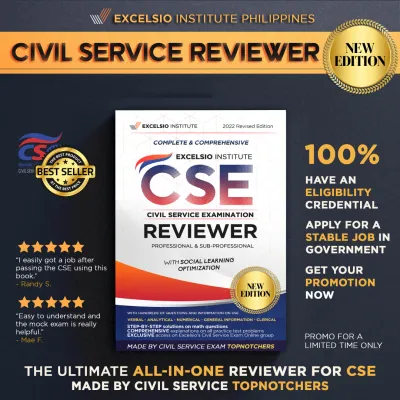
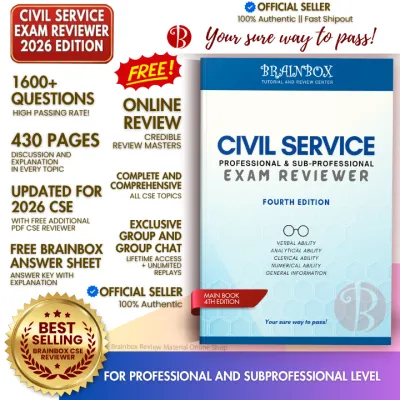
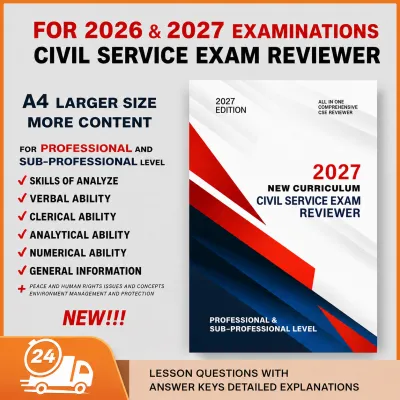
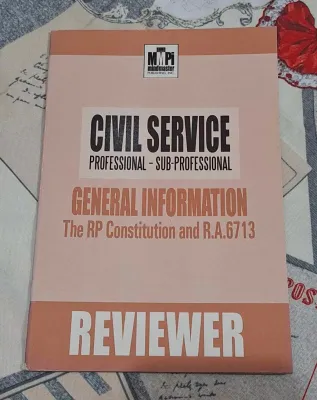
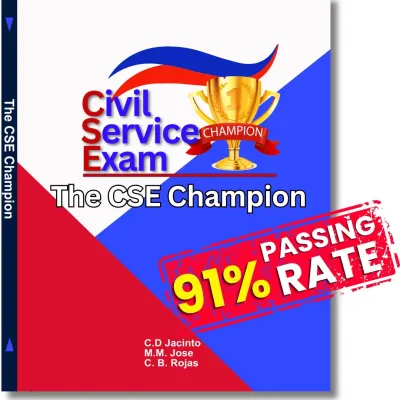
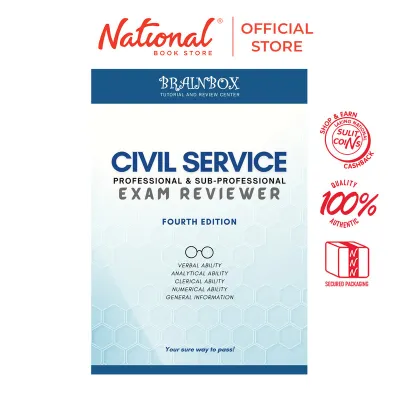
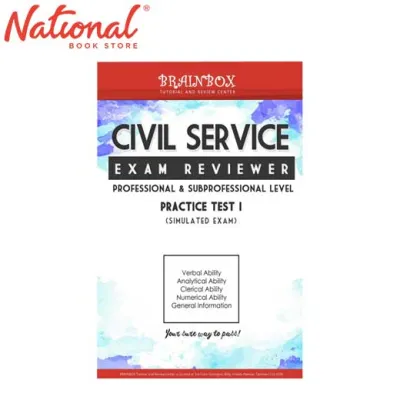
Prices are valid at publication and may change. Please refer to the product page for the latest price.
Device compatibility and storage capacity are also critical considerations when purchasing educational eBooks. Comprehensive civil service reviewers often contain hundreds of pages, extensive practice tests, and detailed answer keys with step-by-step explanations. If the eBook includes high-resolution images, scanned sample documents, or interactive elements, the file size can be substantial. Before making a purchase, verify that your device has sufficient storage space and that you have a compatible reading application installed, such as a dedicated e-reader app for ePub files or a robust PDF viewer that supports annotations and search functions.
Comparing Digital Storefronts for Educational eBooks
When searching for a digital civil service reviewer, the type of platform you choose significantly impacts the quality, security, and authenticity of your purchase. Official publishers and educational portals are among the most reliable sources for digital study materials. Many established educational publishing houses in the Philippines have developed their own online storefronts or digital portals. Purchasing directly from these official channels guarantees that you receive an authentic, legally licensed copy of the reviewer. These materials are regularly updated to align with the latest CSC exam syllabi and administrative guidelines, and they often feature contributions from experienced educators. While these portals offer a high level of reliability, some smaller publishers may have limited payment gateways, occasionally requiring manual bank transfers or specific over-the-counter payment methods rather than seamless digital checkouts.

Major online bookstores offer another secure and convenient option for purchasing educational eBooks. These established retailers have transitioned their extensive physical catalogs into user-friendly digital storefronts. When you buy a civil service reviewer from a reputable online bookstore, you benefit from a curated selection of titles from recognized authors and publishers. These platforms typically use standardized eBook formats and offer dedicated reading applications that sync your progress across multiple devices. Furthermore, major bookstores provide reliable customer service, secure payment processing (including local e-wallets and credit cards), and clear digital rights management policies, ensuring a smooth and safe transaction.
General e-commerce platforms and online marketplaces host a vast array of digital products, including civil service reviewers. These platforms are highly popular due to their competitive pricing, frequent promotional discounts, and familiar checkout processes. However, navigating these broad marketplaces requires a high degree of caution. Because anyone can list products for sale, these platforms are often targeted by unauthorized sellers offering pirated PDFs, low-quality scans, or outdated study guides. To protect your purchase, you must actively filter listings to find authorized distributors, official brand stores, or verified educational sellers. Avoid listings that offer massive bundles of reviewers for suspiciously low prices, as these are almost always unauthorized reproductions that violate copyright laws and often contain formatting errors or incorrect answer keys.
Independent review centers and individual author websites represent a specialized segment of the digital marketplace. Many top-tier civil service review centers and independent educators sell their proprietary study guides and mock exams directly through their own websites. These materials are often highly specialized, incorporating unique test-taking strategies, memory aids, and access to supplementary digital resources like online mock exams or video lectures. When purchasing from an independent site, it is essential to verify the creator’s track record. Look for active student communities, verifiable testimonials, and clear contact information to ensure the site is legitimate and that you will receive the necessary technical support if you encounter issues downloading your files.
Spotting Outdated or Unauthorized Review Materials
The effectiveness of your exam preparation depends heavily on the accuracy and relevance of your study materials. Using an outdated or unauthorized civil service reviewer can severely hinder your progress, as the Civil Service Commission periodically updates its testing standards, question formats, and administrative guidelines. To ensure your reviewer is current, check the publication date and look for explicit statements confirming alignment with the latest CSC syllabus. A reliable reviewer should cover recent updates to general information topics, such as environmental laws or updated administrative codes, which are frequently tested in the exam.
Verifying the credentials of the author or publisher is a crucial step in assessing the quality of a digital reviewer. Legitimate study guides are written by qualified educators, civil service trainers, or academic professionals with a proven track record in test preparation. Look for detailed author biographies, institutional affiliations, or endorsements from recognized review centers on the book’s cover or product description page. If a digital reviewer is listed anonymously, lacks publisher information, or uses a generic brand name with no verifiable background, it is highly likely to be an unauthorized compilation of random internet questions rather than a structured, professionally designed study tool.
User reviews and ratings can provide valuable insights into the quality and accuracy of a digital reviewer, but you must analyze them critically. Instead of focusing solely on overall star ratings, look for detailed written feedback from buyers who have actually used the material to prepare for the exam. Pay close attention to comments regarding the accuracy of the answer keys and the quality of the explanations. A high-quality reviewer does not just provide the correct answers; it explains why those answers are correct and outlines the step-by-step methodology for solving complex math problems or analyzing logical sequences. Reviews that complain about frequent typographical errors, incorrect math solutions, or missing pages are strong indicators of a poorly edited or unauthorized product.
Unauthorized digital copies and pirated PDFs often exhibit distinct visual and functional red flags that you can spot before or immediately after purchase. These low-quality reproductions are frequently created by scanning physical books, resulting in blurry text, crooked pages, and dark margins that make reading on a screen incredibly straining. They often feature overlapping watermarks from unauthorized distributors, broken hyperlinks, and a complete lack of interactive elements like a clickable table of contents. Furthermore, pirated files may have corrupted metadata, leading to broken formatting where text overlaps or is cut off entirely, rendering the material virtually useless for serious study.
Final Pre-Purchase Checks for Digital Downloads
Before finalizing your purchase and entering your payment details, performing a few quick checks can save you from technical frustration and financial loss. First, confirm the exact file format of the digital download and verify that it is fully compatible with your primary study device. If you are purchasing an ePub file, ensure you have a compatible e-reader application installed on your phone or tablet. If you are buying a PDF, check if the file is optimized for mobile viewing or if it requires a larger screen to be readable. Additionally, verify if the file is protected by Digital Rights Management (DRM), which may restrict your ability to open the file on multiple devices or print specific pages for offline study.
Reviewing the platform’s refund, return, and replacement policies for digital goods is essential, as most online marketplaces enforce strict “no refund” policies once a digital file has been downloaded or accessed. However, reputable platforms should offer clear remedies if the downloaded file is corrupted, incomplete, or does not match the product description. Look for customer support contact channels, such as live chat or email support, and understand the process for requesting a replacement link or a refund in the event of a technical failure.
Check if your purchase includes value-added features that can enhance your study experience. Some premium digital reviewers come bundled with updates, ensuring that you receive revised editions if the CSC updates the syllabus before you take your exam. Other packages may grant you access to exclusive online student portals, interactive mock tests that simulate the actual exam environment, or downloadable audio files for listening on the go. These supplementary resources can significantly boost your preparation and provide excellent value for your money.
Finally, carefully verify the total checkout cost before completing the transaction. Some digital platforms may add convenience fees, digital delivery charges, or local taxes at the final step of the checkout process. Ensure that the final price displayed in ₱ matches your expectations and that there are no pre-selected add-ons or subscription services bundled with your purchase. Taking a moment to review the final breakdown ensures a transparent transaction and lets you begin your civil service exam preparation with confidence.
Frequently Asked Questions (FAQ)
Are free civil service reviewer PDFs online reliable?
While free civil service reviewer PDFs are widely available across various online forums and social media groups, they carry significant risks that can compromise your exam preparation. Many of these free files are outdated, containing obsolete syllabus guidelines, incorrect answer keys, and no detailed explanations for complex questions. Studying with inaccurate materials can lead to confusion and mistakes on the actual exam. Furthermore, downloading files from unverified online sources poses security risks, as these PDFs can be embedded with malware or viruses that can infect your device. Lastly, downloading unauthorized copies of copyrighted study guides violates intellectual property laws and deprives authors and publishers of their rightful earnings. Investing in a legitimate, verified reviewer ensures you are studying accurate, up-to-date content while keeping your digital devices secure.
Can I print a civil service reviewer eBook for offline studying?
Whether you can print a civil service reviewer eBook depends entirely on the file format and the Digital Rights Management (DRM) restrictions applied by the publisher or platform. Many educational eBooks purchased through proprietary bookstore apps are locked within their specific ecosystems to prevent piracy, meaning they cannot be exported or printed. However, if you purchase a standard, DRM-free PDF or ePub file, you can generally print it for personal use. Before purchasing, carefully read the product specifications or contact the seller to confirm if printing is permitted. Keep in mind that printing a large, complex PDF with hundreds of pages can be costly in terms of ink and paper, and some digital layouts may not translate well to standard physical paper sizes, potentially affecting readability.
Community discussion
Share your experience or ask a question. Comments are reviewed before publication.