
Finding affordable preloved English and Tagalog novels in the Philippines has become highly accessible thanks to a thriving online secondhand literary community. Instead of paying full retail prices at major brick-and-mortar bookstores, budget-conscious readers can source high-quality books through three primary digital channels: dedicated social media groups, online classifieds and secondhand mobile applications, and independent online secondhand bookstores. Each channel offers distinct advantages, whether you are hunting for rare, out-of-print local paperbacks, popular young adult fantasy series, or classic literature. By understanding how to navigate these platforms, evaluate book conditions, and secure your transactions, you can build an impressive personal library while saving money. This guide explores the best online avenues for finding secondhand books, how to assess their quality, and how to ensure a safe transaction from payment to delivery.
How to Evaluate Preloved Books and Sellers Online
In the secondhand book market, terms like “like new,” “very good,” “good,” and “acceptable” are widely used but highly subjective. A “like new” book should have no visible wear, a tight spine, and clean pages, looking almost as if it was just purchased from a retail store. “Good” condition usually allows for minor shelf wear, slight creasing on the spine, or a neat owner’s name written on the inside cover. “Acceptable” books may feature significant tanning, foxing (brown spots caused by humidity and paper aging), dog-eared pages, or a broken spine, though the text must remain fully readable. Always ask the seller for high-resolution photos of the book’s spine, the top, bottom, and side edges of the pages, and any specific damage mentioned in the description.
When buying on peer-to-peer platforms, a seller’s history is your best shield against disappointment. Check their profile for ratings and read feedback from previous buyers to gauge their reliability. Look for comments regarding how well they packaged the books and how accurately they described the conditions. A reliable seller typically responds to inquiries within a reasonable timeframe, answers questions politely, and is willing to provide additional photos or videos of the book under natural lighting. If a seller has no transaction history or has received multiple complaints about slow shipping or inaccurate descriptions, it is best to proceed with caution or look elsewhere.
Products mentioned in this guide
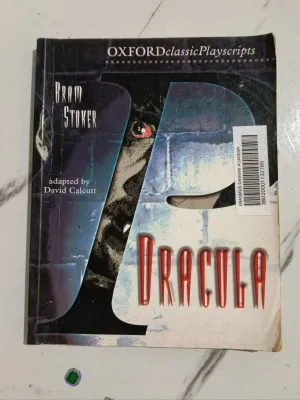
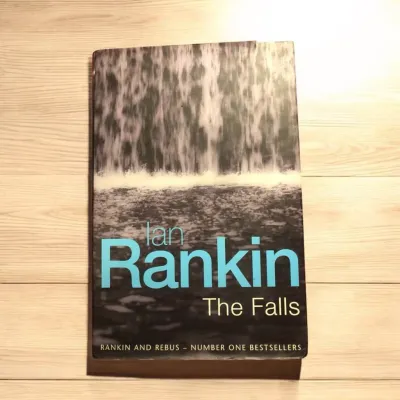
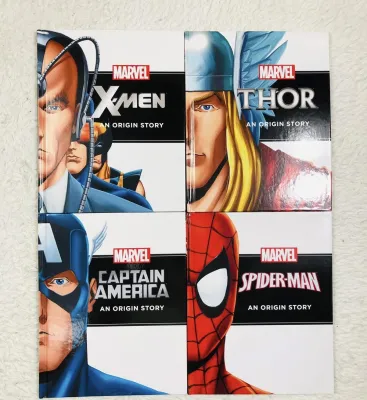
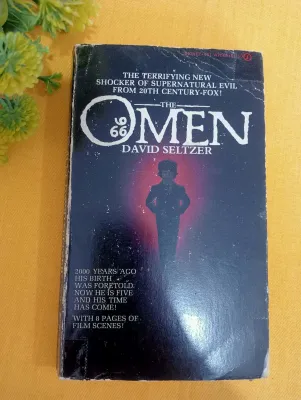
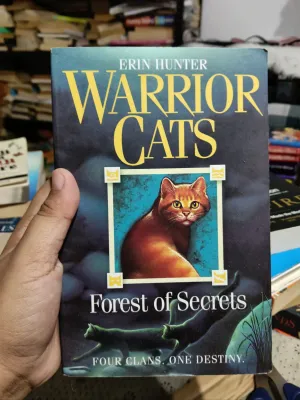
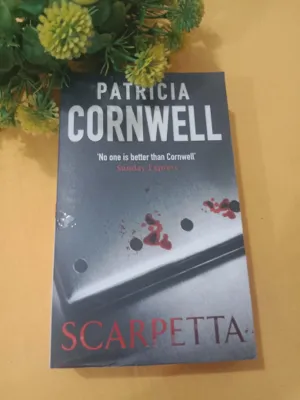
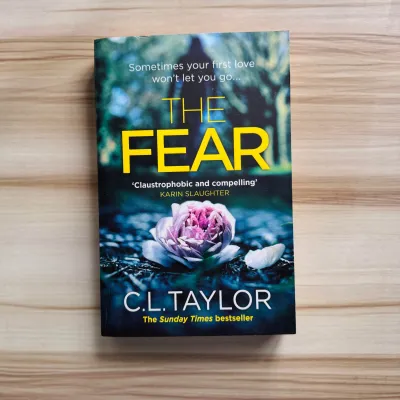
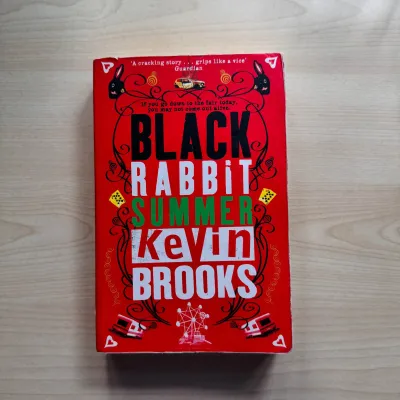
Prices are valid at publication and may change. Please refer to the product page for the latest price.
Be cautious of listings that rely solely on stock images or publisher-provided cover art instead of actual photos of the physical book in the seller’s possession. Vague descriptions such as “used but okay” without further detail should prompt you to ask more questions before committing to a purchase. Unusually low prices for highly sought-after, out-of-print Tagalog romance novels or rare English hardcovers can also be a red flag, potentially indicating counterfeit copies, severe undisclosed damage, or a fraudulent listing. If a deal seems too good to be true, it often is, and taking the time to verify the book’s authenticity can save you from a disappointing purchase.
In the tropical climate of the Philippines, paper preservation is a constant challenge. High humidity levels can accelerate the yellowing of pages and lead to the growth of mold or mildew, which can ruin a book and potentially spread to the rest of your collection. When evaluating preloved books online, ask the seller specifically about the storage conditions of the books and whether they have any musty odors. Books that have been stored in air-conditioned rooms or sealed plastic containers are generally in much better condition than those left exposed to open-air humidity for years.
Best Online Channels for Finding Preloved English and Tagalog Novels
The digital landscape in the Philippines offers several avenues for book lovers looking to acquire secondhand novels. Depending on whether you prefer the thrill of bidding and direct negotiation, the convenience of a curated catalog, or the security of an established marketplace app, you can tailor your search to specific channels. These channels generally fall into three categories: community-driven social media groups, general classified secondhand applications, and independent online secondhand bookstores. Understanding the unique dynamics of each platform will help you find the exact titles you want at the best possible prices.

Dedicated Social Media Groups and Marketplaces
Social media groups dedicated to book buying and selling are among the most active hubs for finding preloved novels in the Philippines. To find these communities, use targeted search terms such as “preloved books Philippines,” “secondhand novels,” or specific genre terms like “Tagalog romance books for sale.” Once inside these groups, you can use the internal search bar to look for specific authors, titles, or publishers. Many members post “looking for” (LF) threads where you can list your wishlist, allowing sellers who own those titles to reach out to you directly with their offers. This direct interaction often leads to finding rare gems that are not listed on mainstream platforms.
Navigating these groups requires a clear understanding of their specific rules and cultural norms. Most well-managed groups enforce strict guidelines to protect members, such as requiring sellers to post clear photos of the actual books, state the prices clearly, and specify the shipping options. Transactions often follow a specific comment mechanic; for instance, a buyer must comment “mine” or “steal” to claim a book listed by a seller. Some groups also implement pricing caps, such as limiting paperback prices to under ₱150, to prevent price gouging on rare or trending titles, ensuring a fair marketplace for all members. Familiarizing yourself with these rules before participating will help you avoid being muted or banned by group administrators.
Despite their vibrant communities, these groups have notable limitations, primarily the lack of built-in buyer protection. Because transactions occur directly between individual users, you must manually arrange payment methods and shipping logistics. This peer-to-peer setup requires a high level of trust, making it essential to verify the seller’s reputation within the group before sending any money. If a dispute arises regarding the book’s condition or a missing delivery, group administrators can ban the offending user, but they cannot recover your funds. Therefore, it is crucial to exercise due diligence and prioritize sellers with a proven track record of successful transactions.
On the positive side, these social media groups foster a strong sense of community among local readers. Members often share book reviews, recommend titles, and engage in friendly discussions about their favorite authors. This community aspect can make the buying experience much more enjoyable and personalized than shopping on a sterile ecommerce platform. You may even build lasting relationships with fellow book collectors who share your reading tastes, leading to future book swaps or exclusive first-dibs on their upcoming decluttering sales.
Online Classifieds and Secondhand Apps
General classified platforms and dedicated secondhand mobile applications offer a more structured environment for buying preloved novels. These apps allow you to filter search results by location, which is incredibly useful for finding sellers within your immediate city or province. By sourcing books from nearby sellers, you can significantly reduce shipping costs or even arrange for quick, same-day delivery services. This localized approach is especially beneficial when purchasing heavy book bundles or multi-volume series that would otherwise incur high shipping fees.
One of the greatest advantages of using these secondhand apps is the ability to negotiate prices and bundle items. If a seller has multiple English or Tagalog novels listed, you can use the in-app messaging system to propose a lower combined price. Many sellers are eager to clear out their bookshelves and will readily agree to discounts, perhaps asking for a ₱50 discount on a bundle, or offer free shipping if you purchase several titles at once. Always keep your negotiations polite and reasonable, keeping in mind the book’s condition and original retail value.
To ensure a secure transaction, always utilize the platform’s built-in chat features and secure payment systems whenever they are available. These in-app payment options hold your money in escrow, releasing it to the seller only after you receive the package and confirm that the books match the description. Avoid sellers who insist on moving the conversation to external messaging apps or demand direct bank transfers outside the platform’s protected payment gateway, as this bypasses the security measures designed to protect you from scams.
When searching for books on these apps, try using various keywords to find hidden listings. Some sellers may not label their books with precise titles, instead using broad terms like “pocketbooks,” “novel bundle,” or “cheap books.” By searching for these general terms, you might stumble upon valuable English or Tagalog novels that other buyers have overlooked. Additionally, setting up saved searches or alerts for your favorite authors can notify you the moment a new listing is posted, giving you a competitive edge in securing popular titles.
Independent Online Secondhand Bookstores
For readers who prefer a more convenient and reliable shopping experience, independent online secondhand bookstores are an excellent option. These businesses are often run by passionate book lovers who source, curate, and resell used English and Tagalog novels through their own websites or social media pages. One of the main benefits of buying from these independent shops is their rigorous quality control. Books are typically cleaned, minor damages are repaired, and each item is graded with high accuracy, meaning you face fewer surprises when your package arrives.
While prices at independent online bookstores may be slightly higher than those in peer-to-peer social media groups, the extra cost is often justified by the added value. You are paying for a curated catalog that is easily searchable by genre, author, or language, saving you hours of scrolling through disorganized social media feeds. Furthermore, these stores offer professional customer service, reliable packaging, and clear return or exchange policies if a book does not meet the specified condition standards. This peace of mind makes them a preferred choice for collectors looking for specific editions in excellent condition.
When shopping at these independent stores, take the time to review their specific policies regarding shipping discounts, bulk orders, and restock schedules. Many stores announce their restock dates on social media, allowing you to browse their new arrivals as soon as they go live. Some shops also offer loyalty programs or free shipping thresholds, which can make your purchases much more economical if you regularly buy books in bulk. Keeping track of these schedules can help you secure highly coveted titles before they sell out.
Choosing to buy from independent online secondhand bookstores also supports local small businesses and promotes a circular economy. Many of these shop owners are deeply involved in the local literary scene and can offer personalized recommendations based on your reading preferences. By purchasing from them, you are helping to sustain a business model that values book preservation and makes reading more accessible to the wider public. It is a sustainable way to indulge your reading habit while contributing to a community of fellow book enthusiasts.
Essential Tips for a Safe and Successful Purchase
Securing your transaction is the most critical step when buying preloved books online. Whenever possible, prioritize payment methods that offer buyer protection, such as digital wallets with verified merchant accounts or the secure payment gateways of established secondhand apps. If you must use a direct bank transfer or a mobile wallet transfer to an individual seller, ensure you have verified their identity through positive reviews or successful transaction proofs in community groups. Never send money to a seller who seems evasive, refuses to provide real-time photos of the book, or pressures you to make a quick payment.
Shipping logistics and packaging standards are vital considerations, especially given the tropical climate of the Philippines. High humidity and sudden rainstorms can easily damage paperbacks during transit. Before finalizing your purchase, ask the seller how they plan to package the books. Responsible sellers will wrap books in waterproof plastic or bubble wrap and place them in sturdy cardboard boxes or padded mailers to prevent bent corners and water damage. Clarify the shipping fees upfront, as rates can vary significantly depending on whether you are shipping within Metro Manila, to other parts of Luzon, or to Visayas and Mindanao.
Once your package arrives, conduct a thorough inspection of the books before confirming receipt or rating the seller. Check the pages for any signs of water damage, mold, or insect infestation, which can spread to the rest of your book collection if left unchecked. Flip through the book to ensure there are no missing pages, severe stains that obscure the text, or extensive highlighting that was not mentioned in the listing. If you discover any major discrepancies between the received book and the original description, document the issues with clear photos and contact the seller immediately to discuss a return, refund, or partial discount.
Maintaining clear and polite communication with the seller throughout the transaction process is key to a smooth experience. Remember that many secondhand book sellers are individual hobbyists or students decluttering their personal collections, not large corporations. Be patient with response times and shipping schedules, especially during holidays or severe weather events. A friendly approach can go a long way, sometimes even resulting in the seller throwing in free bookmarks, stickers, or small freebie books as a token of appreciation.
Frequently Asked Questions (FAQ)
How can I verify if a preloved Tagalog novel is an original edition and not a pirated copy?
Verifying the authenticity of a preloved Tagalog novel involves checking several physical and print characteristics. Original editions published by local publishing houses typically feature high-quality paper that, while it may tan over time, remains smooth and durable. In contrast, pirated copies often use cheap, thin newsprint that feels rough to the touch, and the text may appear blurry, faded, or unevenly printed. Examine the binding; original books have secure, professional binding, whereas counterfeits often have poorly glued spines where pages easily fall out. Additionally, check the copyright page for a valid ISBN, official publisher logos, and complete publication details, and cross-reference these with the publisher’s official catalog or website if possible.
Is it safe to meet up in person for preloved book transactions in the Philippines?
Yes, meeting up in person can be a safe and cost-effective way to buy preloved books, provided you follow basic safety protocols. Always choose a well-lit, highly populated public location for the exchange, such as a major shopping mall, a busy coffee shop, or a transit hub during daylight hours. Never agree to meet in isolated areas, private residences, or unfamiliar neighborhoods. Before handing over your cash, take a few minutes to thoroughly inspect the physical condition of the novels to ensure they match the seller’s description. If the seller refuses to let you inspect the books first or pressures you to hurry, politely decline the transaction and leave the area.
Community discussion
Share your experience or ask a question. Comments are reviewed before publication.