
Finding a copy of the novel chasing the sun in the Philippines requires navigating a diverse landscape of local retail chains, online marketplaces, and independent specialty shops. Whether you are searching for a contemporary English romance, a translated edition, or a popular local Tagalog novel sharing the same title, securing a legitimate copy involves knowing where to look and how to verify the book’s authenticity. Readers across the archipelago, from the bustling streets of Metro Manila to the provincial municipalities of Visayas and Mindanao, have several reliable channels to acquire this title in physical or digital formats.
How to Identify the Correct Edition Before You Buy
Because “Chasing the Sun” is a highly popular title shared by multiple authors across different genres, verifying the specific edition before making a purchase is essential. For instance, you might be looking for a contemporary young adult novel, a fantasy romance, or a localized Tagalog web-novel adaptation. Accidentally buying the wrong book is a common issue on online platforms where search algorithms prioritize keyword matches over precise cataloging.
To ensure you receive the exact book you want, always check the author’s full name, the publisher, and the International Standard Book Number (ISBN). The ISBN is a unique 13-digit identifier that guarantees you are ordering the correct edition, translation, or print run. Checking this number is the most reliable way to avoid shipping mistakes and ensure content completeness.
Products mentioned in this guide
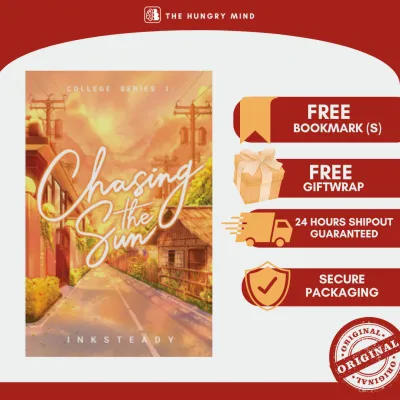
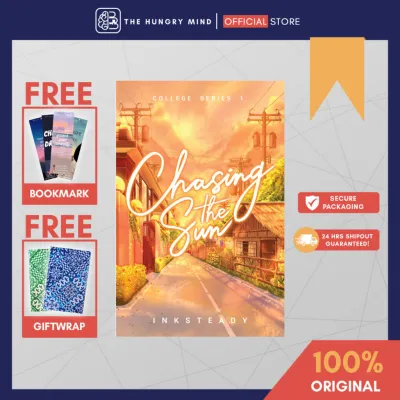
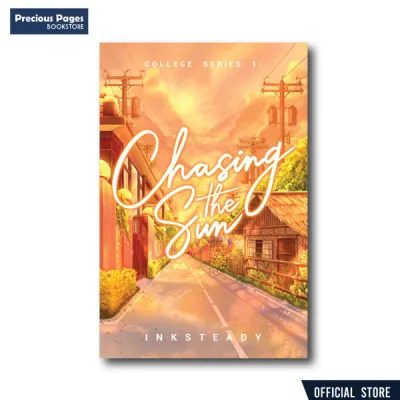
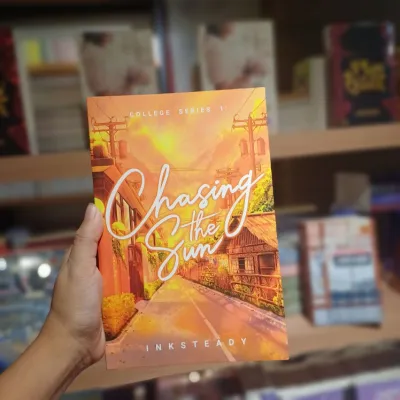
Prices are valid at publication and may change. Please refer to the product page for the latest price.
Additionally, pay close attention to the language and format specifications listed in the product details. Some listings may feature the original English text, while others might be Tagalog-translated editions or entirely different local romance novels published under the same title. Determine whether you prefer a lightweight paperback for daily commuting, a durable hardcover for your personal library, or a digital e-book for instant reading. Do not rely solely on the cover art shown in the listing thumbnail; publishers frequently update cover designs, and some third-party sellers use placeholder images that do not match the physical book they ship.
Top Online Marketplaces and Dedicated Book Retailers
Major E-commerce Platforms and Official Stores
When shopping on major e-commerce platforms in the Philippines, the safest approach is to buy directly from official brand stores or authorized bookstore flagship shops. These verified virtual storefronts are directly managed by established local book distributors, ensuring that every purchase is an authentic, licensed copy. This minimizes the risk of receiving poorly printed counterfeits that often plague open online marketplaces.

Before adding the book to your cart, take a moment to evaluate the seller’s overall rating and read recent buyer reviews. Look specifically for reviews that include photos or videos of the delivered book, as these provide a realistic view of the packaging quality and the actual print condition. Checking the seller’s location is also crucial; stores shipping from within Metro Manila or nearby Luzon provinces generally offer much faster delivery times and lower shipping fees compared to overseas sellers.
Be highly skeptical of unverified third-party sellers offering the novel at suspiciously low prices. If a physical book is priced significantly below the standard retail average, or if the listing relies entirely on low-resolution stock photos with no customer feedback, it is highly likely to be an unauthorized reprint or a low-quality counterfeit. Stick to shops with verified merchant badges to protect your purchase.
Dedicated Online Bookstores and Digital Formats
For a more curated shopping experience, dedicated online bookstores specializing in local and international literature are excellent alternatives. These specialized retailers often handle books with greater care, using sturdy cardboard boxes, bubble wrap, and protective layers to prevent bent corners or spine damage during transit—a common issue when buying from general merchandise warehouses.
If physical copies are currently out of stock or if you prefer an immediate reading experience, digital formats are highly convenient. E-book and audiobook platforms provide instant access to the novel without any waiting time or delivery fees, making them excellent choices for readers on the go.
However, before purchasing a digital copy, always verify device compatibility and supported file types. Ensure that the file format (such as EPUB or proprietary digital rights management formats) is fully compatible with your specific e-reader, tablet, or smartphone application. Additionally, check for regional availability restrictions, as some digital publishers do not hold distribution rights for the Philippine market, which can prevent you from downloading the file even after payment.
Physical Bookstores and Second-Hand Markets
National Chains and Independent Local Shops
For readers who prefer the tactile experience of browsing physical shelves, national bookstore chains remain the most reliable brick-and-mortar option. These major retailers feature robust inventory systems and carry a wide selection of mainstream releases, international bestsellers, and popular local fiction. Visiting these stores allows you to browse physical copies directly and seek recommendations from knowledgeable staff.
If you prefer a more personalized shopping experience, consider visiting independent local bookshops. These indie stores often curate specific genres, showcase works by local Filipino authors, and provide a welcoming community space for readers. Supporting these shops helps sustain the local literary ecosystem and often introduces you to unique editions you might not find elsewhere.
Because physical shelf space is limited, stock levels can vary significantly from one branch to another. To save time and avoid unnecessary travel, it is highly recommended to use the online store locators on the retailer’s official website or call the specific branch ahead of time to confirm that the book is physically on the shelf before you visit.
Second-Hand Markets and University Belt Finds
Budget-conscious readers and collectors searching for older or out-of-print editions of the novel should explore second-hand book markets. These budget-friendly venues are frequently located around university belts, historic city districts, or local weekend bazaars, offering pre-loved books at a fraction of their original retail price.
While hunting through these stalls can yield excellent bargains, it requires a keen eye for quality. The tropical climate and high humidity levels in the Philippines can accelerate the deterioration of paper products, making thorough physical inspection mandatory before purchasing.
When examining a second-hand copy, check carefully for missing or torn pages, severe water damage, broken book spines, and heavy cover wear. Ensure that the text remains fully legible and that there is no active mold or mildew growth, which can ruin other books in your personal collection if brought home.
Online vs. In-Store: Comparing Price, Availability, and Convenience
Deciding whether to purchase the novel online or in-store depends on your budget, schedule, and personal preferences. Both channels offer distinct advantages and trade-offs that can affect your overall buying experience.
Online platforms generally offer more competitive pricing due to frequent digital vouchers, cashback promotions, and storewide bundle discounts. However, these savings are sometimes offset by shipping fees, especially for readers living in provincial areas. In contrast, physical bookstores sell books at standard retail prices but eliminate shipping costs entirely, providing immediate ownership without any waiting period.
In terms of availability, online retailers have a much wider reach, making it easier to source imported, niche, or rare editions from global distributors. Physical stores are limited by their local branch inventory, meaning you may have to visit multiple locations or wait for a restock if the book is highly popular.
Convenience is another major differentiator. Online shopping allows you to purchase the book from the comfort of your home at any time, but you must wait several days for delivery and deal with the potential risk of transit damage. Shopping in-store offers the immediate gratification of holding the book, verifying its physical condition firsthand, and supporting local businesses directly.
To help you decide which purchasing channel aligns with your current needs, consider the following comparison matrix:
| Comparison Dimension | Online Marketplaces & Digital Retailers | Physical Bookstores & Local Shops |
|---|---|---|
| Pricing & Discounts | Often lower due to online vouchers, digital coupons, and seasonal sales. | Standard retail pricing; rarely discounted unless part of a major store-wide clearance. |
| Immediate Access | Requires waiting for shipping (typically 2 to 7 days depending on location) or instant download for digital formats. | Immediate ownership upon purchase; no delivery wait times. |
| Stock & Selection | Massive catalog access; easier to find specific international prints or rare editions. | Limited to what is physically on the shelves or in the branch warehouse. |
| Condition Verification | Relies on seller photos and customer reviews; cannot inspect the exact copy before delivery. | Allows full tactile inspection of the cover, pages, and spine before paying. |
| Shipping Costs | Varies by courier and delivery distance; can be offset by free-shipping vouchers. | Zero shipping fees, though travel costs to the store should be considered. |
Based on this comparison, choose the online route if you prioritize convenience, want to find a specific international edition, or wish to maximize discounts. Choose the physical in-store route if you want to read the book immediately, prefer to inspect the physical copy for defects, or enjoy the traditional bookstore experience.
How to Verify Authenticity and Avoid Pirated Books
The market for printed books in the Philippines occasionally faces challenges with unauthorized reproductions and counterfeit printings. Purchasing pirated books not only results in a poor reading experience due to low-quality production but also deprives authors and publishers of their rightful earnings. Knowing how to spot these illicit copies is crucial for any book buyer.
When shopping in physical markets or inspecting a delivered online order, look out for several physical red flags of counterfeiting. Pirated books are often printed on unusually thin, greyish, or translucent paper where the text from the reverse side bleeds through heavily. The text alignment is frequently crooked, margins may be uneven, and the cover images often appear blurry, pixelated, or color-faded compared to genuine editions. Additionally, check the copyright page; counterfeit copies often omit this entirely or contain numerous typographical errors, spelling mistakes, and missing page numbers.
Digital formats also have distinct red flags. Be wary of unauthorized online sellers offering “PDF” or “EPUB” versions of the novel for exceptionally low prices, such as ₱20 to ₱50. These are almost always unauthorized, low-quality scans of the physical book rather than official digital publications. They often contain missing chapters, warped text, and formatting errors that make reading difficult.
To guarantee that you are purchasing a complete, durable, and authorized edition, always buy from established physical bookstores, official brand flagship stores on major e-commerce platforms, or verified digital publishing networks.
Frequently Asked Questions (FAQ)
Can I get the book delivered to provinces outside Metro Manila?
Yes, major e-commerce platforms and national bookstore chains in the Philippines offer nationwide shipping services that cover provincial areas in Luzon, Visayas, and Mindanao. However, delivery times and shipping fees vary significantly depending on your exact location and the courier service selected. While a delivery to Metro Manila might take only 1 to 3 days, provincial shipments can take anywhere from 5 to 10 business days. To minimize delivery costs, look for free shipping vouchers during monthly sales campaigns or pool your purchases to meet the minimum spend threshold required for shipping discounts.
What should I do if the book arrives damaged or is the wrong edition?
If you purchased the book online and it arrives damaged or is the incorrect edition, the most critical step is to record an uninterrupted unboxing video as soon as you receive the package. Most major e-commerce platforms and online retailers require this video as concrete proof of condition to resolve disputes and process refunds or replacements. Ensure that you initiate the return process within the platform’s standard return window, keeping all original packaging materials, bubble wrap, and digital receipts intact. For physical bookstore purchases, bring the book back to the specific branch where you bought it, along with the original printed receipt. Most physical stores have a strict exchange window (usually 7 to 14 days) and require the book to be in its original, unread condition with any protective plastic wrap still intact.
Community discussion
Share your experience or ask a question. Comments are reviewed before publication.