
The kulintang instrument is a cornerstone of traditional Philippine music, representing centuries of artistic heritage, sophisticated metallurgy, and rich cultural identity. For musicians, educators, and cultural collectors, acquiring an authentic kulintang is not merely a commercial transaction but an investment in preserving a living indigenous art form. Finding a genuine, hand-forged set requires navigating a market where mass-produced, decorative souvenirs are often mislabeled as performance-ready instruments.
To secure an authentic kulintang, buyers must look beyond retail convenience and seek out direct relationships with master artisans in Mindanao or verified cultural channels. This guide outlines the precise physical and acoustic markers of genuine handcrafted gongs, maps the most reliable sourcing pathways in the Philippines, and details the essential pre-purchase checks and long-term care protocols needed to protect your instrument.
How to Spot Authentic Handcrafted Kulintang
Buying a kulintang instrument requires a keen eye and an ear for traditional acoustics. Authentic sets are musical instruments crafted to specific pitch relationships, whereas decorative replicas are designed solely for visual display. Understanding the physical properties of hand-forged gongs is the first step in making an informed purchase.
Products mentioned in this guide
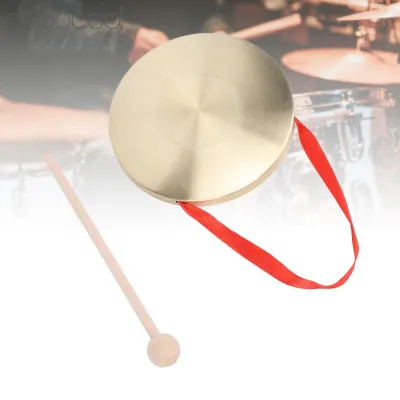
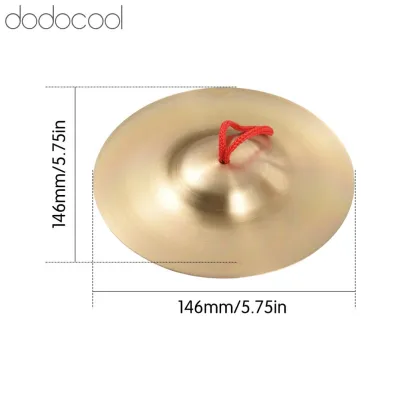
Prices are valid at publication and may change. Please refer to the product page for the latest price.
Material and Weight Verification
Traditional kulintang gongs are primarily forged from either bronze or brass alloys. Bronze, traditionally composed of copper and tin, is highly prized by professional musicians for its deep, warm resonance, complex overtones, and long sustain. Brass, an alloy of copper and zinc, is also widely used and offers a brighter, sharper tone that cuts clearly through ensemble performances.
When evaluating a kulintang instrument, the weight of each gong is a primary indicator of its authenticity and quality. Hand-forged gongs are significantly heavier and denser than their mass-produced counterparts. A genuine bronze or brass gong features thick walls, particularly around the central boss or knob (known as the bua), and a robust rim (the gandingan or gilir). If a gong feels exceptionally light, thin, or flexible under hand pressure, it is likely made from cheap sheet metal or spun brass, which cannot withstand the physical demands of traditional playing and will fail to produce the correct acoustic resonance.
Craftsmanship and Motifs
Every authentic kulintang is a unique work of art, bearing the physical signature of the metalworker who forged it. When you inspect the surface of a hand-forged gong, you should look for subtle variations and minor structural asymmetries. The shape of the central boss may not be perfectly spherical, and the flat surface surrounding it (the tapa) may show faint hammer marks or slight ripples from the hot-forging process. These characteristics are not defects; rather, they are the definitive proof of manual craftsmanship.
Furthermore, authentic kulintang instruments are often decorated with traditional okir motifs, which are flowing geometric and organic patterns characteristic of Maranao and Maguindanao art. On a genuine instrument, these patterns are meticulously carved, chiseled, or etched into the metal surface by hand. In contrast, mass-produced or decorative pieces often feature perfectly uniform, shallow, machine-stamped patterns, or worse, painted designs that quickly wear away with use. Hand-etched okir has a distinct depth and texture, showing minor variations in line width and carving depth that reflect the artisan’s hand.
Tuning and Sound Profile
The ultimate test of a kulintang instrument lies in its acoustic performance. A genuine set consists of eight graduated gongs tuned to a specific relative scale, typically a pentatonic or heptatonic variation that does not align perfectly with Western equal temperament. The tuning system is oral and intuitive, passed down through generations of Mindanaoan master tuners.
When struck with a soft wooden mallet, an authentic gong should produce a clear, focused fundamental pitch accompanied by a rich wash of warm overtones. The sound should blossom and sustain for several seconds, rather than decaying instantly or producing a harsh, metallic clatter. Master artisans tune each gong by carefully hammering the underside of the boss or shaving metal from the interior rim. If you hear a dry, dead, or excessively buzzy tone, the gong may be cracked, poorly cast, or untuned.
Where to Source Authentic Kulintang in the Philippines
Sourcing an authentic kulintang instrument involves supporting the indigenous communities that have kept this metalworking tradition alive for generations. Because these instruments are highly specialized, they are rarely found in standard commercial music stores. Instead, buyers must utilize dedicated cultural networks, artisan collectives, and specialized galleries.

Direct from Artisan Cooperatives in Mindanao
The most direct and ethical way to purchase a kulintang is by contacting the metalworking communities of Mindanao, particularly in Lanao del Sur (such as the famed brass-casting municipality of Tugaya) and Maguindanao. In these areas, families of master smiths operate under cooperative structures to preserve their heritage and ensure fair compensation for their labor.
Because these remote cooperatives do not always maintain a prominent digital presence, buyers can work through established intermediaries. University ethnomusicology departments, such as those at the University of the Philippines (UP) or Mindanao State University (MSU), often maintain active research relationships with these communities and can provide direct contact information for trusted master smiths. Additionally, regional offices of the National Commission for Culture and the Arts (NCCA) or the Department of Trade and Industry (DTI) can verify the legitimacy of local cooperatives, ensuring your purchase directly benefits the indigenous artisans.
Specialized Cultural Retailers and Galleries
For buyers who prefer a physical inspection before purchasing but cannot travel to Mindanao, specialized cultural retailers and heritage galleries in major urban centers like Metro Manila offer a reliable alternative. These establishments curate authentic indigenous crafts, textiles, and musical instruments directly from artisan communities.
When visiting these galleries, it is essential to interview the curators or store managers regarding their sourcing practices. A reputable retailer will be able to identify the specific municipality, and often the exact family or master artisan, responsible for forging the kulintang set. They should also be able to explain the materials used and provide background on how the instruments were transported. Be cautious of tourist-oriented souvenir shops that sell highly polished, thin brass gongs; these are almost always intended for wall decoration rather than musical performance.
Verified Online Craft Marketplaces
In the modern digital landscape, some artisan cooperatives and cultural advocates have established online storefronts or social media pages to reach a broader audience. While buying online offers convenience, it requires a rigorous verification process to avoid purchasing low-quality replicas.
When evaluating online sources, look for specific “green flags” that indicate authenticity. A genuine artisan or verified representative will readily share videos of the actual forging and tuning process, showing the gongs being heated, hammered, and acoustically tested. They will also provide detailed biographies of the makers and be highly transparent about production timelines. Conversely, red flags include the use of generic stock photos, suspiciously low prices (authentic sets require significant labor and raw materials), and claims of immediate shipping for multiple “in-stock” sets, as genuine kulintang instruments are rarely mass-produced for inventory.
Essential Pre-Purchase Checks for Kulintang Sets
Before finalizing your purchase of a kulintang set, which represents a significant financial and cultural investment, you must perform several practical verifications. Ensuring the completeness of the set, understanding the production timeline, and planning for safe transport are critical steps in a successful acquisition.
Set Completeness and Accessories
A standard performance-ready kulintang set consists of eight graduated gongs laid out horizontally in a single row. When purchasing, you must verify that the set is complete and that all eight gongs have been tuned to play harmoniously together as a single cohesive instrument. Buying gongs individually from different sources will almost certainly result in a mismatched scale that cannot be used for traditional repertoire.
In addition to the gongs themselves, a complete setup requires several essential accessories:
- **The Wooden Frame (Antangan):** This is the horizontal rack that supports the gongs. It is traditionally made of local hardwood, often adorned with intricate okir carvings. The frame must be structurally sound, level, and fitted with strong suspension cords (usually thick nylon or braided rope) to hold the gongs securely without dampening their vibration.
- **Mallets (Basal):** You will need at least one pair of soft wooden mallets, typically wrapped in cloth or rubber at the striking end, to play the instrument properly without damaging the metal.
- Suspension Cords: Ensure the cords used to suspend the gongs within the frame are made of durable, non-stretch material that can support the heavy weight of the metal over long periods.
Customization and Lead Times
Because authentic kulintang instruments are hand-forged by traditional smiths, they are rarely available for immediate delivery. Most genuine sets are made-to-order, requiring a production period that can range from several weeks to several months depending on the artisan’s current workload, weather conditions (which affect the outdoor forging process), and the complexity of the custom carvings on the wooden frame.
When commissioning a set, expect to engage in a detailed discussion regarding your specific musical needs, such as the preferred alloy (bronze or brass) and the level of ornamentation on both the gongs and the antangan. Standard industry practice for custom commissions typically involves a down payment or deposit (often 30% to 50% of the total cost) to secure the raw materials, with the remaining balance due upon completion and acoustic verification. Always establish clear, written communication regarding the estimated delivery timeline and payment milestones before sending any funds.
Shipping, Packaging, and Handling
Transporting a full kulintang set—which can weigh upwards of 30 to 50 kilograms including the wooden frame—presents significant logistical challenges. The gongs are heavy, yet their acoustic properties are delicate; dropping a gong or subjecting it to severe impact can cause micro-cracks that permanently ruin its tuning.
When arranging shipping, particularly from Mindanao to Luzon or Visayas, you must insist on professional-grade packaging. The seller should pack each gong individually in thick bubble wrap or foam padding, and the entire set should be housed in a custom-built wooden crate to prevent shifting or crushing during transit. Verify that the shipping carrier offers tracking and comprehensive cargo insurance that covers the full value of the instrument. If you are purchasing from a local gallery, ensure you have a vehicle large enough to transport the wooden frame flat, rather than forcing it into a cramped space that could warp the wood or loosen the suspension cords.
Basic Care and Maintenance for Brass and Bronze Gongs
Once you have acquired an authentic kulintang, proper maintenance is essential to preserve its acoustic brilliance and visual beauty, especially in the tropical, high-humidity climate of the Philippines. Regular care prevents structural degradation and ensures the instrument can be passed down to future generations.
Safe Cleaning Practices
To maintain the appearance of your gongs, you must adopt gentle, non-abrasive cleaning habits. Dust the gongs regularly with a dry, soft microfiber cloth to remove skin oils and environmental dust. If the metal surfaces become soiled, wipe them down with a slightly damp cloth using only clean water or a highly diluted, pH-neutral mild soap, followed immediately by thorough drying with a clean towel.
Never use harsh chemical polishes, abrasive scouring pads, or acidic household cleaners (such as vinegar or lemon juice) on traditional gongs. These substances can strip away the natural, protective patina that develops on the metal over time. Furthermore, aggressive polishing can wear down the delicate, hand-etched okir engravings and alter the thinness of the metal, which can subtly shift the gong’s tuning. Embrace the natural darkening of the metal as a sign of the instrument’s age and character.
Proper Storage Conditions
The high relative humidity of the Philippines poses a constant challenge for metal instruments, as moisture accelerates oxidation and can lead to the formation of green copper carbonate, commonly known as verdigris. While a light patina is harmless, active verdigris can corrode the metal surface and damp the gong’s vibrations.
To prevent this, store your kulintang set in a stable, dry indoor environment away from direct sunlight, open windows, and air conditioning vents that blow cold, damp air directly onto the metal. When the instrument is not in use, cover the gongs with a breathable, lightweight dust cover made of natural fibers like cotton or linen. Avoid using plastic sheeting or airtight synthetic covers, as these can trap moisture underneath and accelerate the oxidation process.
Handling and Playing Precautions
The physical longevity of your kulintang depends heavily on how it is handled and played. Always play the instrument using the correct mallets. Traditional basal are made of soft wood (such as lightweight balsa or soft pine) and are often wrapped in soft materials at the striking point. Never use hard wood, metal beaters, or drumsticks, as these will dent, pit, or crack the bronze or brass, permanently destroying the tuning and structural integrity of the gongs.
When lifting or moving the gongs, always grasp them firmly by the lower rim with both hands rather than picking them up solely by the central boss. Lifting a heavy gong by its boss can put excessive stress on the thinnest part of the metal, potentially causing structural fatigue. Additionally, regularly inspect the suspension cords of the wooden antangan frame; replace any frayed or worn ropes immediately to prevent a heavy gong from falling and sustaining damage or causing injury.
Frequently Asked Questions (FAQ)
How much does an authentic kulintang set cost?
The price of an authentic kulintang set varies widely based on several key factors, and buyers should expect a broad range rather than a single fixed cost. The primary driver of price is the material; a hand-forged bronze set is significantly more expensive than a brass set due to the higher cost of tin and copper and the complex casting process. Additionally, the reputation and skill of the master smith, the complexity of the hand-etched okir designs, and whether the set includes a hand-carved hardwood antangan frame all influence the final price. Generally, a complete, performance-ready brass set with a basic frame may cost tens of thousands of pesos (₱), while a master-crafted bronze set with intricate carvings can command a premium price reflecting hundreds of hours of specialized labor.
Can I buy a single kulintang gong instead of a full set?
Yes, it is possible to purchase a single kulintang gong, typically as a replacement for a damaged or lost gong within an existing set, or for specific contemporary musical arrangements. However, doing so requires extreme caution regarding acoustic compatibility. Because traditional kulintang sets are tuned as a cohesive unit using relative intervals rather than fixed Western pitches, a random individual gong will almost certainly sound out of tune when placed in your existing set. To ensure a proper match, you must verify the material, weight, and dimensions of your current gongs, and ideally provide the master smith with audio recordings or precise frequency measurements of the adjacent gongs in your set so they can custom-tune the replacement to fit perfectly.
Community discussion
Share your experience or ask a question. Comments are reviewed before publication.