
Finding a digital version of the traditional Filipino primer, the Abakada, requires navigating a unique landscape of local educational publishers, digital reading applications, and global eBook marketplaces. For parents, educators, and language learners in the Philippines, acquiring an abakada book tagalog set as an eBook offers a convenient, portable, and durable alternative to physical paperbacks, which can easily wear out or suffer damage from high tropical humidity. To secure a legitimate, high-quality digital copy, buyers must look to authorized local publisher portals, major domestic book retailers with dedicated e-reading applications, and select global digital book platforms that support Tagalog-language materials. By understanding where to search and how to verify the digital format, you can seamlessly integrate this foundational literacy tool into your digital library.
Understanding Abakada eBook Formats and Device Compatibility
The Abakada alphabet, historically developed to systematize the Tagalog script, relies heavily on visual association and syllabic progression. When transitioning this traditional learning system to a digital medium, understanding eBook formats is essential for maintaining the pedagogical integrity of the material. Standard eBooks generally come in three primary formats: EPUB, PDF, and proprietary application-specific formats. Each format handles text, images, and layouts differently, which directly impacts how a young learner interacts with the content on a screen.
EPUB is the industry standard for digital publishing, but it exists in two distinct variations: reflowable and fixed-layout. Reflowable EPUBs are designed to adapt to any screen size by automatically adjusting text flow, line breaks, and image positioning. While this is ideal for text-heavy novels, it can be highly problematic for an educational primer like the Abakada. In a reflowable format, a change in font size might separate a letter or syllable from its corresponding illustration—such as separating the syllable “Ba” from the drawing of a “bata” (child). To prevent this cognitive disruption, publishers of digital educational materials often utilize fixed-layout EPUBs. This format locks the text and images in place, ensuring that the visual relationship between letters, syllables, and illustrations remains exactly as the author and designer intended, regardless of the device used.
Products mentioned in this guide
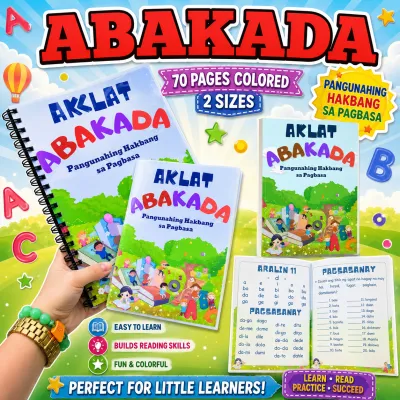
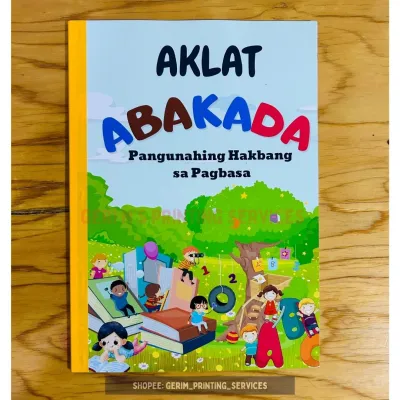
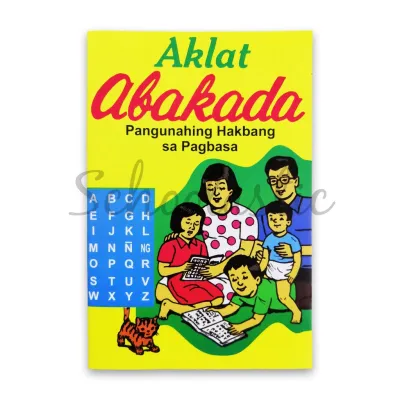
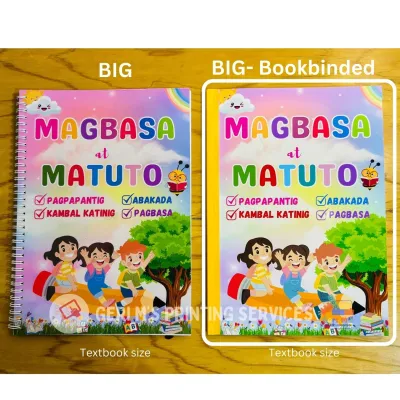
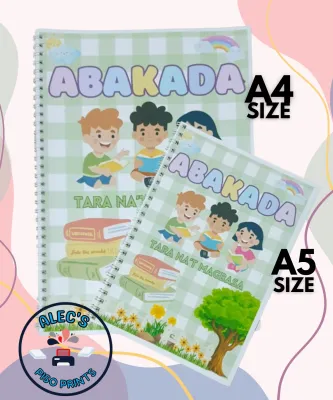
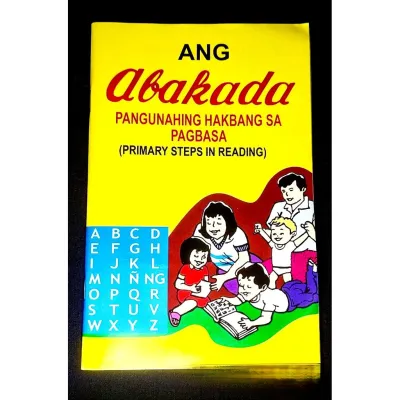
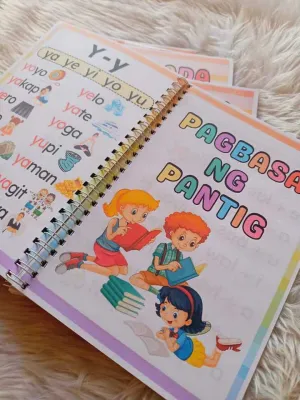
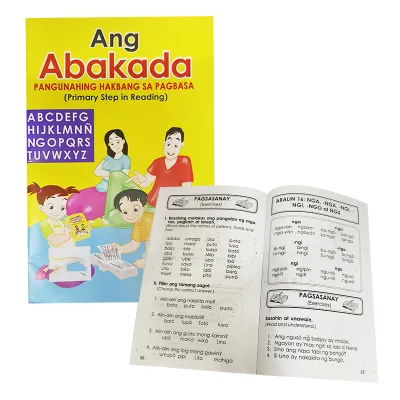
Prices are valid at publication and may change. Please refer to the product page for the latest price.
PDF (Portable Document Format) is another widely available option for digital Abakada books. Like fixed-layout EPUBs, PDFs preserve the exact design and typography of the printed page. This makes them highly reliable for maintaining visual consistency across different operating systems. However, PDFs do not scale dynamically, meaning that reading a standard-sized PDF on a small smartphone screen may require constant zooming and panning, which can be frustrating for young children.
Proprietary formats, such as those used by specific e-reading platforms or local educational publishers’ custom applications, offer a highly controlled reading environment. These formats often integrate interactive elements, such as audio pronunciations of Tagalog syllables or simple touch-and-reveal games. However, they require you to use the publisher’s specific app, which may not be compatible with dedicated e-ink readers. When choosing a format, consider the primary reading device: color tablets and smartphones are excellent for vibrant, fixed-layout, or interactive books, while dedicated e-ink readers are superior for reducing eye strain but may struggle with complex color layouts and interactive features. Additionally, ensure your device has adequate storage capacity, as high-resolution, image-heavy educational eBook sets can require significantly more storage space than standard text-only digital books.
Where to Search for Abakada Tagalog eBook Sets in the Philippines
Locating a legitimate digital version of an abakada book tagalog set in the Philippines requires exploring a mix of local digital storefronts, educational publisher portals, and global eBook marketplaces. Unlike mainstream international literature, local educational materials are often distributed through specialized channels that cater specifically to the Philippine academic and home-schooling sectors.

To begin your search, explore the digital applications and official websites of major Philippine book retailers. Many established brick-and-mortar bookstores have expanded their services to include digital catalogs and proprietary e-reading applications. By searching their digital stores, you can often find authorized eBook versions of classic Filipino primers. These platforms typically offer the convenience of local currency pricing and seamless integration with domestic payment systems, making the acquisition process straightforward.
Another highly reliable source is the direct-to-consumer portals of local educational publishers. Many textbook publishers in the Philippines have digitized their early childhood education catalogs to support remote learning and digital homeschooling. By visiting the official websites of these publishers, you can purchase digital book sets directly from the source. This method often grants you access to supplementary digital resources, such as downloadable worksheets, audio guides for correct Tagalog pronunciation, and interactive teacher guides that are not always available through third-party retailers.
For those who prefer using global digital book platforms, marketplaces like Google Play Books, Apple Books, and Kobo host an increasing number of Tagalog-language educational materials. To find these resources effectively, you may need to adjust your search settings or apply regional filters. Searching within these global platforms allows you to consolidate your digital library in one place and take advantage of advanced reading features, such as built-in dictionaries and cross-device syncing.
When searching these platforms, employing targeted search strategies is crucial. Using the specific phrase “abakada book tagalog set” in the search bar will help narrow down the results to comprehensive, multi-volume collections rather than single-page worksheets or unrelated language learning guides. If a direct search does not yield immediate results, try searching for the names of prominent Filipino educational authors or established local publishing houses that specialize in early childhood literacy. This targeted approach ensures you find complete, structured learning sets designed to guide students systematically from basic vowel recognition to fluent syllabic reading.
How to Verify Authenticity and Edition Details Before Buying
With the rise of digital self-publishing and file-sharing platforms, verifying the authenticity and quality of an Abakada Tagalog eBook set before making a purchase is essential. Unauthorized digital copies, often distributed as low-quality scans or unverified PDF downloads, frequently suffer from formatting errors, missing pages, and poor image resolution. These defects can severely hinder a child’s learning experience, as clear visual cues are vital for early literacy development.
First, carefully examine the metadata of the digital listing. A legitimate Abakada eBook should clearly state the publisher, the author, and the publication or digital release date. Reputable educational publishers in the Philippines adhere to strict curriculum standards, ensuring that the progression of lessons—from basic vowels (A, E, I, O, U) to consonants and syllabic blending—is pedagogically sound. Verifying these details helps ensure that the digital set you are purchasing aligns with recognized educational frameworks and is suitable for the learner’s developmental level.
Second, confirm the language and completeness of the digital set. The traditional Abakada system is specifically designed for the Tagalog language, focusing on its unique phonetic structure. Ensure that the product description explicitly states that the content is in Tagalog and that the purchase includes the complete set of volumes. Some listings may misleadingly sell individual introductory chapters or single volumes as a complete set. A true “abakada book tagalog set” should guide the learner through the entire phonetic progression, providing ample practice words and sentences for each syllable group.
Third, prioritize authorized sellers and official digital storefronts to avoid the risks associated with pirated materials. Unauthorized third-party sellers on general online marketplaces often advertise “instant PDF delivery” at extremely low prices. These files are typically unauthorized scans that violate copyright laws and deprive local authors and publishers of their livelihood. Furthermore, downloading files from unverified sources poses significant security risks to your devices, including exposure to malware or corrupted data. By purchasing exclusively from authorized retailers or directly from publisher portals, you guarantee a safe, high-quality, and legally compliant download.
Finally, review the product description for Digital Rights Management (DRM) restrictions. DRM is a technology used by publishers to protect their intellectual property from unauthorized copying and distribution. Some eBooks are heavily locked down, meaning they can only be read within a specific proprietary application and cannot be exported to other devices or standard e-readers. Understanding these restrictions beforehand allows you to determine if the eBook is compatible with your preferred reading setup, preventing compatibility issues after the purchase is finalized.
Step-by-Step Guide to Purchasing and Downloading Digital Books
Once you have identified an authorized platform and verified the authenticity of the abakada book tagalog set, you can proceed with the purchase and download process. While the exact steps may vary slightly depending on the digital storefront, following a structured approach ensures a smooth and secure transaction.
The first step is to create a user account on your chosen digital platform. This account will serve as the permanent home for your digital library, allowing you to re-download your purchases if you switch devices in the future. During registration, you will need to set up a secure payment method. For readers in the Philippines, digital storefronts increasingly support convenient local payment options. In addition to traditional credit and debit cards, many platforms allow you to link popular local e-wallets, such as GCash or Maya. When entering your payment details, ensure you are on a secure connection (indicated by “https” in the website address) to protect your financial information.
Next, add the selected Abakada eBook set to your digital shopping cart and proceed to checkout. Take a moment to review the order summary, ensuring that the price is displayed in Philippine Pesos (₱) and that any applicable local taxes or platform fees are clearly itemized. Once you confirm the transaction, the platform will process the payment and generate a digital receipt, which will be sent to your registered email address.
After completing the purchase, navigate to your account’s digital library or “My Purchases” section to locate the download links. Depending on the platform, you may be presented with different file options, such as EPUB or PDF. Select the format that is most compatible with your reading device. If you are using a proprietary e-reading application, the book should automatically sync and appear in your app’s library, ready for immediate access.
For those transferring files to dedicated e-readers or external devices, connect your e-reader to your computer using a compatible USB cable. Drag and drop the downloaded eBook file into the appropriate document folder on your e-reader, or use authorized library management software to sync the files wirelessly. If you encounter any issues during the download or transfer process—such as file corruption or format recognition errors—try clearing your browser or app cache, verifying your internet connection, or restarting your device. If the problem persists, consult the platform’s customer support or help center for troubleshooting assistance.
Frequently Asked Questions (FAQ)
Are there free legal Abakada Tagalog eBooks available?
Yes, there are legitimate ways to access Abakada Tagalog reading materials without cost. While commercial, multi-volume eBook sets typically require a purchase to support the authors and publishers, several public institutions and educational organizations offer free, authorized digital resources. For instance, the Department of Education’s official learning resource portals provide registered educators and parents with access to free, curriculum-aligned reading primers and instructional materials designed for early literacy. Additionally, some local non-profit organizations and academic libraries host open-access digital archives featuring historical or public-domain versions of the Abakada primer. Some commercial publishers also offer free digital samples or introductory chapters of their Abakada sets, allowing you to evaluate the layout and content quality before committing to a full purchase. Always ensure you are downloading from these official, authorized institutional sites rather than unverified file-sharing forums to guarantee the safety and legality of the files.
Can I read these eBooks offline on my tablet?
Yes, reading your purchased Abakada eBooks offline is highly practical, especially when traveling or during local power and internet outages. The ability to read offline depends on the platform’s Digital Rights Management (DRM) and download settings. If you purchased the eBook through a proprietary reading application, you must first open the app while connected to the internet, navigate to your library, and select the option to download or cache the book to your device’s local storage. Once the download progress bar is complete, the book will be available for offline reading directly within that application. For DRM-free EPUB or PDF files purchased from independent publisher portals, you can download the files directly to your tablet’s local file manager. Once saved, these files can be opened at any time using any compatible, pre-installed reading application without requiring an active internet connection.
Community discussion
Share your experience or ask a question. Comments are reviewed before publication.