
Finding old entertainment magazines in the Philippines requires a strategic blend of digital sleuthing and physical exploration. Whether you are searching for vintage local showbiz glossies featuring iconic love teams from past decades or international music and movie publications, the journey involves navigating online marketplaces, joining dedicated collector communities, and scouring physical thrift shops. Because the local tropical climate can be harsh on paper, successful collecting also hinges on careful physical verification and proper preservation techniques to ensure your acquired memorabilia stands the test of time. By understanding where to look and how to evaluate these vintage treasures, you can build a rewarding collection that preserves a unique slice of pop culture history.
Developing a Targeted Search Strategy for Vintage Magazines
To build a meaningful collection without becoming overwhelmed, start by defining your specific areas of interest. You might focus on a particular era, such as the golden age of Philippine cinema, the peak of 1990s alternative rock culture, or the rise of early 2000s teen lifestyle glossies. Narrowing your scope to specific publications or iconic pop culture figures helps you filter out irrelevant listings and focus your energy on high-priority acquisitions.
It is also essential to understand the distinction between standard monthly issues, special commemorative editions, and issues that originally included promotional inserts like posters, stickers, or lyric sheets. Collectors often place a premium on complete packages, so deciding whether you need these original inserts will guide your search parameters and influence the prices you should expect to encounter.
Products mentioned in this guide
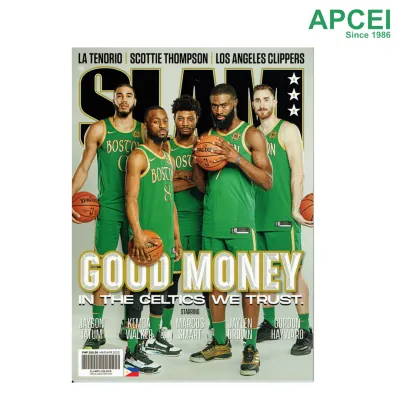
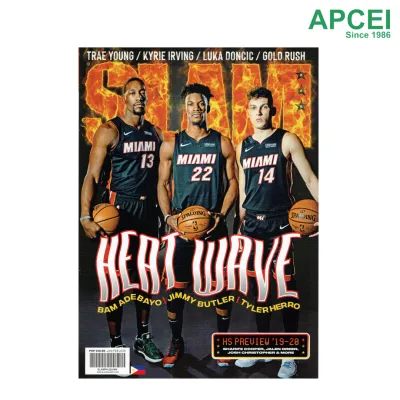
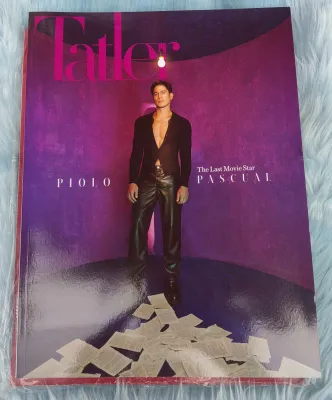
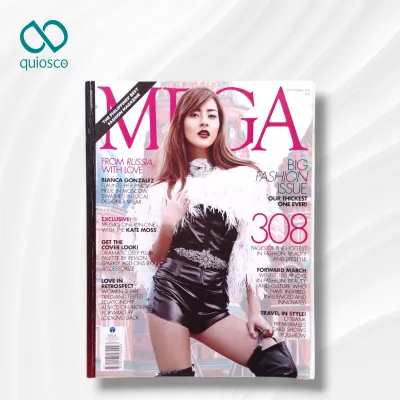

Prices are valid at publication and may change. Please refer to the product page for the latest price.
Establishing a clear budget is another critical step before you begin browsing. Determine how much you are willing to spend per issue, keeping in mind that rare, well-preserved copies of landmark publications will naturally command higher prices than common back issues. Prioritize a list of “must-have” issues that you are willing to pay a premium for, while remaining patient and opportunistic when it comes to filling out the general background of your collection.
Navigating Online Marketplaces and Collector Communities
Digital channels offer the most convenient starting point for locating vintage entertainment magazines. Major online marketplaces and local classified sites frequently host listings from individual sellers clearing out old household items or specialized hobbyists liquidating parts of their collections. When searching these platforms, use precise keyword combinations such as “vintage showbiz magazine,” “retro entertainment magazine,” or the specific name of a publication alongside terms like “old issue” or “collectible.”

Beyond general e-commerce platforms, dedicated social media groups and online collector forums serve as hubs for memorabilia enthusiasts. Joining these communities allows you to connect directly with like-minded collectors who often buy, sell, or trade items within the group. These spaces are excellent for finding niche publications that might not appear on mainstream shopping sites, and they offer a platform to ask for recommendations or post “want to buy” notices.
To ensure you do not miss out on rare arrivals, take advantage of automated search alerts and saved search features on your preferred online platforms. By configuring notifications for specific keywords or seller profiles, you can receive instant updates whenever a matching item is listed. This proactive approach is particularly useful for securing highly sought-after issues that tend to sell quickly once they enter the market.
Exploring Physical Thrift Stores and Flea Markets
While online searching is highly efficient, nothing quite matches the thrill of discovering a hidden gem in a physical shop. In the Philippines, promising venues include secondhand bookstores, antique shops in historic districts, and weekend flea markets or community garage sales. Locations like Cubao Expo, old book stalls in Manila, or suburban thrift shops (often referred to locally as surplus shops or ukay-ukay outlets that carry mixed media) are excellent places to start your physical hunt.
When you encounter physical stacks of old magazines, handling them with extreme care is paramount. Vintage paper is highly susceptible to tearing, flaking, and spine damage, especially if it has been stored in less-than-ideal conditions. Always ask the shopkeeper for permission before digging through piles, and gently lift each issue by its edges rather than pulling them by the spine or corners to avoid causing irreversible damage.
Do not hesitate to strike up a conversation with store owners and staff during your visits. Many sellers have unlisted backstock stored in warehouses or private rooms, or they may know other dealers who specialize in vintage print media. By expressing your specific interests and leaving your contact information, you can establish relationships that lead to first-priority access when new shipments or estate collections arrive.
Verifying Condition, Completeness, and Authenticity
Before finalizing any purchase, conducting a thorough quality check is essential to ensure you are getting what you pay for. Carefully inspect the magazine for common physical flaws such as missing pages, clipped coupons, detached covers, or split spines. In tropical environments, pay close attention to signs of water damage, wavy pages, and active mold or mildew, which can not only ruin the item but also spread to the rest of your collection.
Verifying the authenticity and exact printing details of the magazine is equally important. Check the masthead, copyright page, or table of contents to confirm the publication date, volume, and issue number. This step helps you verify that the item is an original vintage release rather than a modern digital reprint or a later promotional reproduction, which carries significantly less historical and collector value.
When purchasing online, the reliability of the transaction depends heavily on the seller’s reputation. Review their feedback ratings, read comments from previous buyers, and assess how promptly and clearly they answer your questions about the magazine’s condition. Ensure you understand their return policies and dispute resolution processes, particularly when investing in high-value or rare issues where condition discrepancies can lead to significant disappointment.
Arranging Safe Shipping and Long-Term Preservation
Once you have secured a vintage magazine, ensuring its safe transit to your home is the next crucial step. Request that the seller package the item securely using rigid cardboard backing inserts, water-resistant plastic sleeves, and padded envelopes or boxes. This level of protection prevents bending, corner crushing, and moisture exposure during transit, which is especially important during the local rainy season.
After your magazines arrive, establishing proper long-term storage conditions is vital to halt the natural degradation of old paper. The Philippine climate, characterized by high humidity and warm temperatures, poses a constant threat to vintage print media. Store your collection in a cool, dry room away from direct sunlight, which causes rapid fading of cover inks. Avoid storing magazines in damp areas like basements, unventilated closets, or directly against exterior walls where moisture can accumulate.
For optimal preservation, invest in archival-quality storage materials such as acid-free backing boards and polypropylene or polyester protective sleeves. These materials prevent the paper from yellowing and protect the covers from dust, oils from your hands, and pests like silverfish. When handling your magazines for reading or display, ensure your hands are clean and dry, or wear lightweight cotton gloves to maintain their pristine condition for years to come.
Frequently Asked Questions (FAQ)
Are digital reprints a good alternative to physical vintage magazines?
Digital reprints and online archives are excellent alternatives if your primary goal is information retrieval, research, or casual reading. They offer instant accessibility, require zero physical storage space, and eliminate the risk of physical deterioration. However, for collectors who value the tactile experience, historical authenticity, and visual appeal of original print media, digital versions cannot replace the unique charm and display value of a physical vintage magazine.
How can I tell if an old magazine is a rare collector's item?
Determining the rarity of an old magazine involves looking at several key indicators rather than relying solely on its age. Issues with low original print runs, those featuring historic pop culture milestones, or copies with iconic, highly sought-after cover stars are generally more collectible. To verify potential rarity, consult dedicated collector communities, check historical sales listings on online marketplaces, and look for specialized price guides that document the publication history of the specific title.
Community discussion
Share your experience or ask a question. Comments are reviewed before publication.