
Selecting the right synthesizer keyboard requires matching your specific musical workflow with the correct hardware architecture. The market is filled with options ranging from simple MIDI controllers to complex multi-engine hardware workstations, and making the wrong choice can stall your progress or drain your budget. To find the instrument that fits your daily routine, you must first evaluate whether your primary goal is learning foundational keyboard skills, producing tracks within a computer-based studio, or performing live on stage.
The Quick Self-Assessment: Match Your Goal to the Right Synthesizer
Before diving into complex technical specifications, a rapid diagnostic assessment can help narrow down your choices. The table below outlines how primary musical goals align with specific synthesizer categories and key hardware features.
| Primary Musical Goal | Ideal Synthesizer Category | Key Feature to Prioritize | Hardware Setup Example |
|---|---|---|---|
| Learning & Practice | Entry-Level Portable Keyboard | Built-in speakers, headphone output, lesson modes | Standalone keyboard with basic sound presets |
| Music Production & Studio | MIDI Keyboard Controller | USB-MIDI connectivity, assignable knobs/pads | Controller connected to a computer DAW and virtual instruments |
| Sound Design & Exploration | Hardware Synthesizer (Analog/Digital) | Dedicated physical control knobs, sound engine architecture | Standalone synthesizer with internal sound generation |
| Live Performance & Gigs | Stage Synthesizer or Workstation | Physical patch recall, balanced audio outputs, rugged chassis | Professional stage keyboard connected to a mixing console |
Identifying this core use case early prevents you from overspending on advanced features you might not need. For instance, a beginner focused on learning classical scales does not require a complex modulation matrix with multiple Low-Frequency Oscillators (LFOs). Conversely, an electronic music producer will quickly outgrow a basic portable keyboard that lacks MIDI integration or real-time filter controls.
Products mentioned in this guide
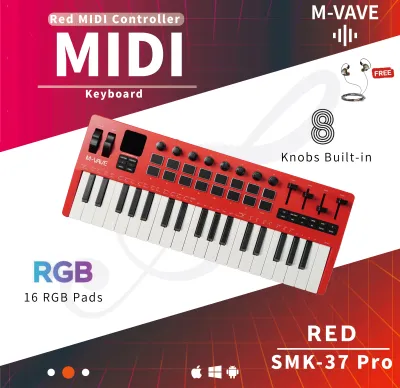
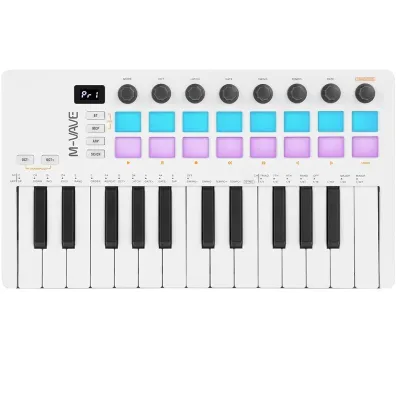
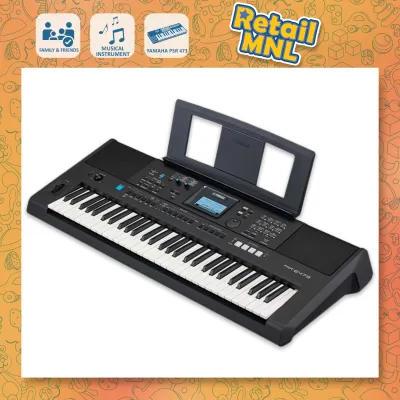
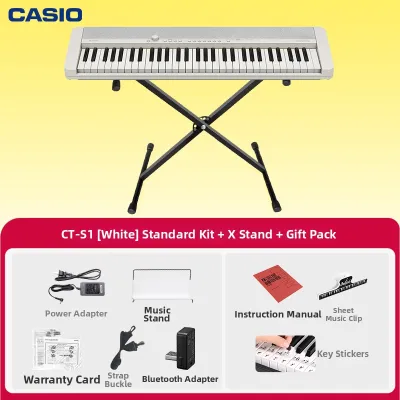
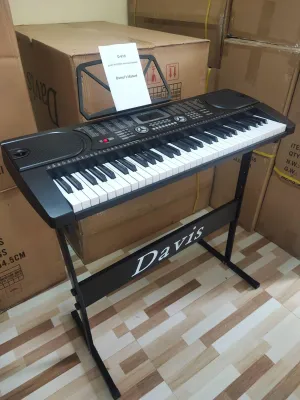
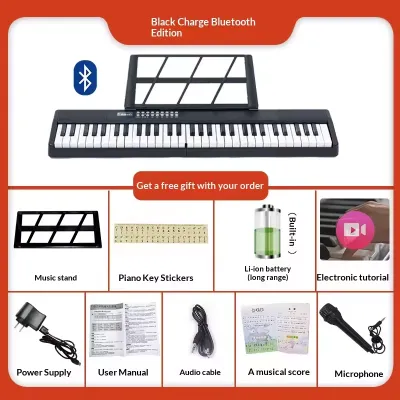
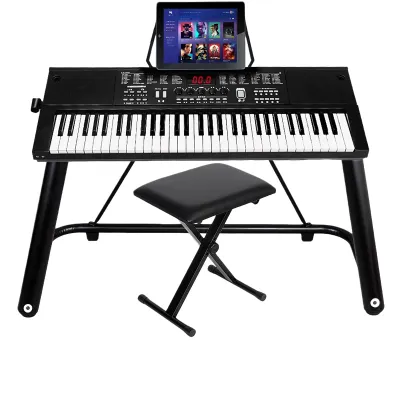
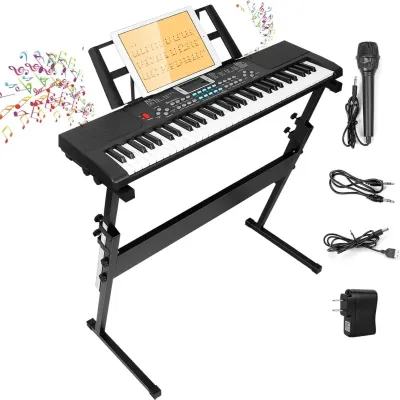
Prices are valid at publication and may change. Please refer to the product page for the latest price.
Diagnosing Your Primary Use Case
To narrow your search, you must conduct a thorough self-evaluation of your musical environment, skill level, and daily workflow.

Are You a Beginner Focused on Learning and Practice?
If you are taking your first steps in music, your immediate priority should be developing muscle memory, finger strength, and a basic understanding of music theory. Ask yourself: Do you need an instrument that is ready to play the moment you turn it on, or are you comfortable configuring software on a computer? Beginners typically benefit most from instruments with built-in speakers and instant access to standard presets like acoustic pianos, electric pianos, and basic strings.
A dedicated synthesizer designed for deep sound design can actually hinder a beginner’s progress. These instruments often lack built-in speakers, requiring external amplifiers or headphones, and their complex interfaces can be distracting when you simply want to practice scales. If your main goal is traditional learning, a standard digital keyboard or arranger keyboard with weighted or semi-weighted keys is often a more practical and cost-effective choice than a true synthesizer. Furthermore, look for built-in practice tools such as metronomes, recording functions, and dual-mode keybeds that allow a teacher and student to play side-by-side.
Is Your Main Goal Music Production and Studio Work?
If your musical life revolves around a Digital Audio Workstation (DAW) like Ableton Live, FL Studio, or Logic Pro, your hardware needs will be vastly different. Ask yourself: Do you prefer shaping sounds using software plugins (virtual instruments), or do you want the tactile experience of turning physical knobs on a hardware instrument? If you rely heavily on software, a dedicated MIDI keyboard controller is usually the most efficient and budget-friendly choice.
MIDI controllers do not generate sound on their own; instead, they send control data to your computer via USB. This setup keeps your studio streamlined and allows you to invest your budget into high-quality key action, drum pads, and faders rather than internal sound chips. However, if you want to escape the computer screen and design unique sounds from scratch, a hardware synthesizer with an internal sound engine is highly desirable. In a studio environment, space is often at a premium, so consider whether a compact 25-key or 49-key layout will fit on your desk alongside your computer monitor and studio monitors.
Do You Need a Synthesizer for Live Performance?
Gigging musicians face unique challenges that demand specific hardware features. Ask yourself: How often will you transport your keyboard, and what is the typical setup time at your venues? If you are transporting gear through busy urban transit or loading it into vehicles for weekend gigs, physical durability is paramount. Instruments with flimsy plastic housings are prone to damage, whereas professional stage synthesizers feature rugged metal chassis and reinforced jacks.
On a dark stage, you cannot afford to navigate complex sub-menus to change your sound between songs. Live performers need physical buttons or dials that allow for instant patch recall, along with tactile knobs to adjust volume, filter cutoff, and effects on the fly. You must also consider how the instrument connects to the venue’s sound system. Professional stage keyboards feature dedicated, balanced audio outputs (such as 1/4-inch TRS or XLR jacks) that deliver clean, noise-free signals over long cable runs directly to the house mixing console, eliminating the need for external direct injection (DI) boxes.
Translating Your Diagnosis into Hardware Specifications
Once you have identified your primary use case, you can translate those needs into specific technical details on a manufacturer’s spec sheet.
Key Action and Keyboard Size
The feel of the keys—known as key action—directly impacts your playing style and comfort.
- Weighted Hammer Action: Mimics the resistance of an acoustic piano. This is essential for classical pianists and those playing realistic acoustic piano emulations, but it makes the keyboard heavy and difficult to transport.
- Semi-Weighted Action: Uses spring tension and light weights to offer a compromise. It provides enough resistance for expressive piano playing while remaining light enough for fast organ runs and synthesizer leads.
- Synth-Action: Features light, springy keys with minimal resistance. This is ideal for rapid synthesizer solos, drum programming, and sound effects, and it keeps the overall instrument highly portable.
Keyboard size is measured by the number of keys. Standard sizes include 25, 37, 49, 61, and 88 keys. If you are a mobile producer or have limited desk space, a 25-key or 37-key board is highly efficient. For general music production and two-handed playing, a 49-key or 61-key layout is the industry standard sweet spot. Classical players and stage performers who require the full range of a piano should opt for an 88-key weighted board. Always check the exact keybed manufacturer specifications (such as Fatar keybeds) on the product page rather than relying on vague brand descriptions.
Polyphony and Sound Engine Architecture
Polyphony refers to the maximum number of individual notes a synthesizer can produce at the same time. If you play a ten-note chord with a long sustain pedal release on an instrument with only eight voices of polyphony, some notes will be cut off abruptly.
- Monophonic Synthesizers: Can only play one note at a time. These are highly prized for fat, analog basslines and soaring lead sounds.
- Polyphonic Synthesizers: Can play multiple notes simultaneously. For lush chords and layered pads, look for an instrument with at least 16 to 128 voices of polyphony.
The underlying sound engine determines the character of the audio. Analog and virtual analog (digital modeling) engines are designed for classic electronic tones, offering deep control over waveforms, filters, and modulation. Sample-based engines (often called ROMplers), on the other hand, use pre-recorded audio samples to recreate acoustic instruments like violins, brass, and grand pianos. Ensure the sound engine architecture matches your musical genre before purchasing.
Connectivity and Integration Requirements
An outstanding synthesizer is useless if it cannot connect to the rest of your gear. When reviewing specifications, check for three essential connectivity types:
- USB-MIDI: Connects the keyboard directly to your computer or tablet, allowing it to communicate with your DAW without needing a separate MIDI interface.
- 5-Pin MIDI (In/Out/Thru): Crucial if you plan to connect your keyboard to older hardware synthesizers, drum machines, or external sound modules without using a computer.
- Audio Outputs: Look for dedicated left and right audio outputs. Budget keyboards often only feature a single headphone output, which can introduce noise and signal degradation when connected to professional audio interfaces or mixers.
Additionally, verify the power requirements and operating system compatibility. In the Philippines, where the standard electrical grid operates at 220V and 60Hz, you must ensure that any imported hardware includes a compatible power adapter or can accept universal voltage inputs. Always verify if the keyboard is “class-compliant” (meaning it works instantly without installing custom drivers) or if it requires proprietary drivers that must be updated whenever your computer’s operating system upgrades.
Deciding Your Next Step: Buy, Wait, or Re-evaluate
With your self-assessment complete, you can confidently choose the most logical path forward to avoid buyer’s remorse.
When to Buy Now:
You should proceed with a purchase if your current equipment is actively bottlenecking your creative progress, or if you have a confirmed gig or recording project that requires specific hardware capabilities. Ensure you have budgeted not just for the keyboard itself, but also for essential accessories such as a sturdy keyboard stand, a sustain pedal, high-quality audio cables, and a protective gig bag.
When to Wait:
If you are still unsure whether you prefer hardware synthesis or software plugins, it is wise to wait. Spend time exploring free or low-cost software synthesizers on your computer or tablet first. This hands-on experience will help you understand synthesis concepts—like oscillators, filters, and envelopes—making it much easier to choose the right physical hardware later. Additionally, if your budget only allows for a low-grade, flimsy keyboard, waiting and saving for a mid-tier instrument with a reputable keybed will save you money and frustration in the long run.
When to Re-evaluate:
You may realize during this assessment that a synthesizer is not actually what you need. If your primary goal is learning classical piano, a dedicated digital piano with weighted keys and realistic grand piano samples is a far better investment. If you only want to control virtual instruments in your bedroom studio, a simple, budget-friendly MIDI controller is more practical than an expensive standalone hardware synthesizer.
When you are ready to make a purchase, always buy from authorized local musical instrument retailers in the Philippines. This ensures that your instrument is covered by a valid local warranty, protecting your investment against manufacturing defects. Authorized dealers also provide reliable after-sales support and can supply the correct 220V power adapters suited for local electrical standards, giving you peace of mind as you begin your musical journey.
Frequently Asked Questions (FAQ)
What is the difference between a synthesizer and a MIDI controller?
A synthesizer contains an internal sound engine that generates audio signals directly; when you plug in headphones or connect it to an amplifier, you can hear it play instantly. A MIDI controller does not generate any sound on its own. Instead, it acts as an input device, sending digital performance data (such as which key was pressed and how hard) over a USB or MIDI cable to trigger sounds on an external device, such as a computer running software plugins, a tablet, or a hardware sound module.
Do I need an 88-key synthesizer to make electronic music?
No, an 88-key layout is rarely necessary for electronic music production. Most synth leads, basslines, and drum patterns are programmed or played within a range of two to four octaves, making 25, 37, or 49-key instruments the standard choice for electronic producers. A full 88-key weighted keybed is primarily designed for classical piano pieces that span a wide register, and these larger instruments take up significant studio desk space and are heavy to transport.
Community discussion
Share your experience or ask a question. Comments are reviewed before publication.