
To find your next captivating read after enjoying the emotional depth of Taming the Waves, you must first understand the specific narrative elements that made the story resonate with you. Whether you prefer reading in Tagalog or English, the key to a satisfying transition lies in mapping those core elements—such as coastal settings, intense character growth, and complex family dynamics—to new literary works. By focusing on these thematic pillars, you can easily discover stories that deliver the same evocative, slow-burn experience.
Imagine sitting on a breezy veranda in the late afternoon, the humid tropical air cooling down as a gentle rain begins to fall, holding a book that transports you right back to the shores of a provincial town. That is the exact reading atmosphere we want to recreate. By taking a structured approach to analyzing your reading preferences, you can build a personalized shortlist of novels that offer the same emotional warmth and narrative tension.
Identifying What You Loved About Taming the Waves
Pinpointing the exact reasons a novel captured your attention is the first step toward finding your next great read. In stories like Taming the Waves, the setting is rarely just a backdrop; it functions as a living, breathing character. The coastal, provincial environment provides a stark contrast to the high-stakes emotional turmoil of the protagonists. The rhythm of the waves, the heat of the tropical sun, and the isolation of a small town all work together to mirror the internal conflicts of the characters.
Products mentioned in this guide
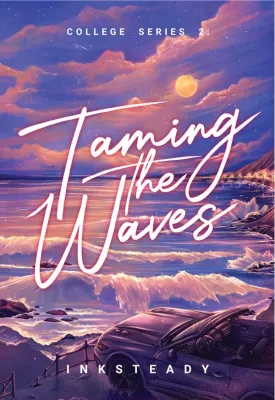
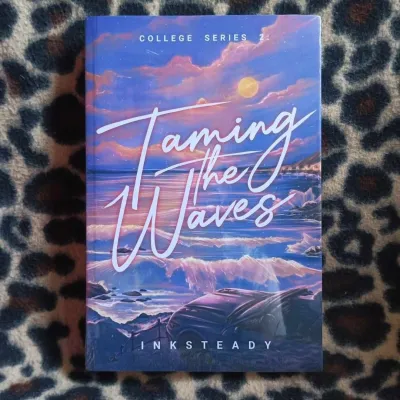
Prices are valid at publication and may change. Please refer to the product page for the latest price.
Beyond the atmospheric setting, the character arcs in these narratives are deeply rooted in emotional healing and personal growth. The protagonists often carry heavy emotional baggage, past traumas, or intense societal expectations that they must navigate before they can fully open their hearts. If you found yourself deeply invested in how the characters slowly dismantled their emotional walls, you are likely drawn to character-driven stories rather than fast-paced, plot-heavy action.
Another defining element is the specific emotional tone, which is often characterized by high angst, longing, and a slow-burn romantic progression. The tension in these novels does not come from external threats or fantasy elements, but from the realistic friction of unspoken feelings, class differences, and family obligations. This emotional realism makes the stakes feel incredibly high, even in quiet, domestic moments.
Finally, the cultural nuances of provincial life add a layer of comfort and familiarity that is hard to replicate in Western literature. The complex web of family dynamics, respect for elders, community gossip, and the contrast between bustling city life and quiet provincial towns create a rich tapestry that grounds the romance. Recognizing these specific cultural markers will help you identify other works that share the same cultural heartbeat.
How to Find Similar Themes in Tagalog Novels
When searching for your next Tagalog novel, look for stories that utilize the beloved “probinsya” or provincial setting trope. This narrative device often features a protagonist escaping the chaotic energy of Metro Manila to seek solace, answers, or a fresh start in a quiet coastal town or rural province. These settings naturally facilitate a slower pace of life, allowing characters to interact in intimate, unavoidable ways that build romantic tension.

To find these themes, pay close attention to the language used in book descriptions and online reader discussions. Look for keywords that signal deep emotional journeys, such as paghilom (healing), pagtitiis (endurance), and butil ng katotohanan (grains of truth). Reader reviews on local literary forums and community blogs are invaluable resources, as they often describe the emotional intensity and pacing of the romance far better than a standard publisher’s blurb.
Class dynamics and family expectations are also central to Tagalog contemporary romance. Look for plots that involve family rivalries, ancestral land disputes, or the struggle between pursuing personal happiness and fulfilling filial duties. These conflicts are deeply rooted in local culture, ensuring that the emotional hurdles the characters face feel authentic and earned.
Lastly, consider the linguistic style of the novel. Some readers prefer the poetic, formal flow of classic Tagalog, which can elevate the emotional weight of a romance. Others enjoy modern Taglish, which uses a natural blend of Tagalog and English to mirror how people actually speak in daily life. Reading sample chapters online can help you determine if the writing style matches your personal reading preferences.
Discovering English Novels With a Comparable Vibe
If you want to expand your reading list to include English-language novels, you can easily map your favorite themes to broader global literary genres. Look for books categorized under contemporary romance, women’s fiction, or small-town romance. The “coastal romance” subgenre is particularly rich with stories of individuals returning to seaside hometowns to heal from past wounds, rebuild their lives, and find unexpected love.
To streamline your search, use precise keyword combinations in online library catalogs, book databases, and reader recommendation engines. Instead of searching for broad terms like “romance books,” try specific phrases such as “coastal town emotional healing romance,” “family secrets seaside contemporary,” or “slow-burn forced proximity provincial.” This targeted approach will filter out high-concept fantasy or fast-paced suspense, leaving you with character-driven dramas.
Author interviews and book club discussion guides are also excellent tools for discovering new titles. Authors who write emotional, atmospheric fiction often share their own reading lists or discuss the writers who inspired their work. Following these literary connections can lead you to international authors who capture the same sense of longing and scenic beauty found in your favorite local novels.
Before diving into a new English novel, it is wise to review the content warnings and thematic tags. Because emotional contemporary fiction often deals with heavy themes like grief, family estrangement, or personal loss, checking these details beforehand ensures the book matches your current reading comfort level. This step helps you avoid stories that might be too lighthearted or, conversely, unexpectedly distressing.
Building and Verifying Your Personalized Reading Shortlist
Once you have gathered a list of potential titles, it is time to build and verify your shortlist to ensure a seamless reading experience. Start by verifying the physical and digital formats available for each book. In the local market, some independent or self-published Tagalog novels may have limited print runs, making physical copies difficult to find. Checking for ebook or audiobook versions on major digital platforms can save you time and high shipping fees.
Next, carefully verify the publication details to ensure you are getting the correct edition. Some popular novels undergo revisions, receive special collector’s editions, or are released in bilingual formats. To support the authors and ensure you receive a complete, high-quality text, always purchase your books from authorized publishers, official brand stores, or reputable local book dealers.
When evaluating books on your shortlist, look beyond the overall star ratings on review platforms. Instead, read the detailed written reviews from other readers, focusing specifically on comments regarding pacing, character development, and atmospheric descriptions. A book with a slightly lower average rating might actually be a perfect match for you if reviewers consistently praise its slow-burn romance and vivid setting.
Finally, keep a budget in mind as you finalize your purchases. Whether you are allocating ₱300 for a convenient digital copy or ₱700 for a premium physical paperback to display on your bookshelf, planning your purchases helps you build a sustainable reading habit. By verifying format, availability, and reader feedback, you can confidently invest in books that will truly capture your heart.
Frequently Asked Questions (FAQ)
How to Find Local Bookstores Carrying Thematic Novels
To locate physical or online bookstores that carry atmospheric Tagalog and English novels, start by checking the official store directories of major local book retailers. Many of these retailers maintain active social media pages where they post regular updates about new arrivals, restocks, and provincial branch availability. Visiting larger branches in major metropolitan areas often yields a wider selection of contemporary local fiction.
For independent or self-published titles, look for specialized online book dealers and indie publisher collectives. You can often contact these sellers directly through their official websites or social media channels to inquire about specific thematic requests, upcoming print runs, or pre-order options. This direct communication is often the most reliable way to secure hard-to-find local titles.
Choosing Between Tagalog and English Editions of the Same Novel
When deciding between a Tagalog or English edition of a bilingual or translated novel, consider the book’s original language of publication. Reading a story in the language it was originally written in generally preserves the author’s intended voice, unique prose style, and subtle cultural nuances. If the book was originally written in Tagalog, the local idioms and emotional expressions will naturally feel more authentic in that edition.
If you are equally comfortable with both languages, try reading the sample chapters of both editions online before making a purchase. Pay attention to the translation flow, the naturalness of the dialogue, and how well the emotional tone is maintained. Choosing the edition that feels most immersive to you will ensure a much more enjoyable and deeply felt reading experience.
Community discussion
Share your experience or ask a question. Comments are reviewed before publication.