
Finding a book that matches the unique emotional resonance of Alice Sebold’s The Lovely Bones requires looking beyond simple murder mysteries or standard supernatural thrillers. The novel’s enduring power lies in its delicate balance of tragedy, the afterlife, and the slow, painful process of family healing. To replicate this reading experience, you must seek out stories that treat grief not as a temporary plot device, but as a complex landscape to be navigated. By exploring both English-language contemporary literature and Tagalog fiction, you can discover novels that capture this exact blend of haunting loss, magical realism, and deep familial bonds.
Whether you are drawn to the perspective of a narrator observing the world from a liminal space or the rich, culturally grounded depictions of ancestral spirits and family drama in Filipino literature, a dual-track reading list offers an excellent way forward. This guide outlines how to identify these thematic elements, what genres to target, and how to select high-quality local and imported editions for your personal library.
Identifying the Core Appeal of The Lovely Bones
To find your next great read, it helps to deconstruct what made The Lovely Bones so unforgettable. The most striking narrative device is the posthumous narrator. Susie Salmon speaks to us from her personal heaven, observing the aftermath of her own tragic death. This perspective shifts the story away from a conventional, high-tension police procedural and transforms it into an intimate, omniscient observation of human behavior. A posthumous or unconventional narrator softens the immediate horror of a crime, allowing you to focus on the emotional ripples left behind rather than the graphic details of the event itself. When searching for similar books, look for stories told from unexpected viewpoints—such as spirits, collective voices, or characters operating from the margins of reality.
Products mentioned in this guide
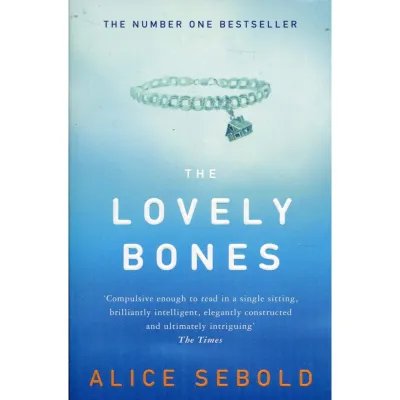

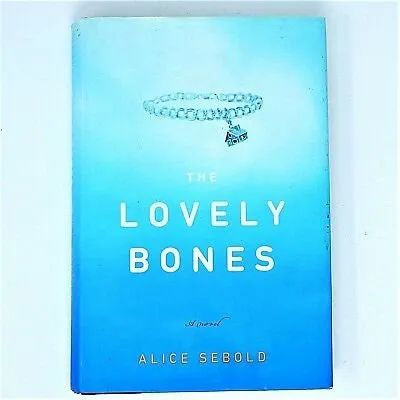
Prices are valid at publication and may change. Please refer to the product page for the latest price.
Another pillar of the novel’s appeal is its raw, honest portrayal of family grief and long-term trauma. The narrative does not offer quick resolutions or neat emotional arcs. Instead, it shows how a single loss can fracture a household, driving parents apart, forcing siblings to grow up too quickly, and altering the trajectory of entire lives over several decades. The healing process in these stories is slow, non-linear, and often incomplete, which mirrors the reality of deep psychological trauma. If this aspect resonated with you, prioritize family sagas and domestic dramas that emphasize psychological depth and character development over fast-paced action.
Finally, the book masterfully balances a grounded, real-world mystery with elements of magical realism and the supernatural. The afterlife Susie inhabits is not a grand, mythological realm, but a highly subjective space shaped by her own memories and unfulfilled desires. This gentle integration of the supernatural allows the story to explore profound existential questions without losing its emotional grounding. The mystery of her killer’s identity runs parallel to her family’s search for closure, creating a dual narrative drive. To find a worthy successor, seek out novels where speculative or supernatural elements serve as metaphors for emotional states, rather than mere plot engines.
Selecting English Novels with Matching Themes and Tone
When browsing English-language fiction, focusing on specific subgenres will streamline your search. Speculative grief fiction is an excellent starting point. This niche genre uses speculative elements—such as time slips, parallel universes, or ghostly visitations—to explore the psychological impact of loss. Coming-of-age mysteries also share a strong thematic overlap, particularly those where a young protagonist must solve a local mystery while navigating the transition into adulthood amidst family instability. Magical realism is another fertile ground, offering stories where the extraordinary is accepted as a natural part of daily life, providing a soft lens through which to view harsh realities.

To identify these themes in publisher summaries and professional reviews, look for specific keywords and tropes. Terms like “liminal spaces,” “intergenerational trauma,” “grief-stricken households,” and “spectral presence” often signal a book with a similar atmosphere. Pay attention to how the narrative structure is described; phrases such as “lyrical prose,” “character-driven mystery,” or “non-linear timeline” suggest a book that prioritizes emotional depth and atmospheric tension over a straightforward, plot-heavy thriller.
Because these novels frequently deal with sensitive subjects, verifying content warnings is a crucial step before purchasing. Books that explore grief and crime often touch upon themes of violence, assault, or the loss of a child. To ensure a book aligns with your personal comfort levels, consult dedicated reader-run database websites, detailed community reviews, or publisher notes. Many modern editions now include these warnings on the copyright page or back cover, allowing you to make an informed decision about whether a story’s handling of trauma is suitable for your current reading mindset.
Discovering Tagalog Fiction with Emotional and Supernatural Depth
Filipino literature offers a rich tapestry of stories that explore grief, family dynamics, and the supernatural through a unique cultural lens. In contemporary Tagalog fiction, magical realism is often deeply intertwined with local folklore, animist beliefs, and mythological elements. Instead of Western-style ghosts, these narratives may feature ancestral spirits, multo, or environmental entities that interact with the living. This cultural framework views the boundary between the physical world and the spiritual realm as porous, making it a natural fit for readers who enjoyed the liminal, afterlife perspective of The Lovely Bones.
The literary tradition of the Philippines is also renowned for its intense focus on family bonds and collective healing. In many Tagalog novels, grief is not experienced in isolation; it is shared by an entire household, extended family, or close-knit tropical neighborhood. These stories often grapple with historical or social trauma, showing how external societal pressures affect the domestic sphere. The emotional depth in these works is frequently expressed through a concept of shared identity and deep empathy, where the pain of one family member reverberates through the entire community.
When evaluating Tagalog book descriptions, look for narratives that utilize non-linear timelines, spiritual visitations, or ancestral memories to foster family healing. Descriptions that mention a return to a rural province, the uncovering of long-buried family secrets, or the presence of quiet, supernatural occurrences in everyday life are strong indicators of a thematic match. These books provide a comforting yet haunting reading experience, grounded in the familiar warmth and complex social dynamics of local life.
Essential Pre-Purchase Checks for Local and Imported Editions
Before finalizing your purchase of any recommended novel, performing a few essential checks will ensure you get a highly satisfying reading experience. First, consider the format that best suits your lifestyle and environment. In humid, tropical climates, physical books require careful storage to prevent foxing, mold, and page yellowing. If you prefer digital reading to save space and protect your collection from humidity, verify that the e-book format (such as EPUB) is fully compatible with your specific e-reader device. For audiobooks, listen to a sample beforehand to ensure the narrator’s tone, accent, and pacing enhance the emotional weight of the story rather than distract from it.
Next, pay close attention to the language edition of the book. Many contemporary Filipino novels are written in pure Tagalog, while others utilize Taglish (a natural blend of Tagalog and English) to reflect modern daily speech. Checking the language style in a preview or sample helps ensure it matches your reading preferences. Additionally, verify that you are purchasing the complete, unabridged version of the text. Some classic or highly acclaimed local novels are adapted into simplified, abridged editions for high school curricula; double-checking the publisher’s description will help you avoid accidentally buying a condensed study guide instead of the full literary work.
Finally, always source your books from authorized and reputable sellers to support authors and publishers. The local market has seen a rise in unauthorized, low-quality reprints and pirated digital copies on various online marketplaces. These counterfeit editions often suffer from missing pages, severe typographical errors, and poor binding that falls apart quickly. To guarantee a high-quality copy, purchase directly from established local bookstore chains, university presses, independent local bookshops, or official publisher storefronts on e-commerce platforms. When budgeting for these acquisitions, expect to spend around ₱300 to ₱600 for a quality local paperback, while imported editions may cost slightly more. This simple check ensures you receive a durable, complete book while directly contributing to the literary community.
Frequently Asked Questions (FAQ)
Are there official Tagalog translations of The Lovely Bones?
Currently, there is no widely circulated, officially licensed Tagalog translation of Alice Sebold’s The Lovely Bones. To verify if a localized edition has been released, you should check the official catalogs of major local publishers or search the National Library’s database using the book’s International Standard Book Number (ISBN). Be cautious of digital files or printed copies marketed as Tagalog translations on unofficial online marketplaces, as these are typically unauthorized, fan-translated versions. These bootleg copies often contain significant translation errors, missing chapters, and poor formatting, which can ruin the reading experience and violate copyright laws.
Where can I find independent Tagalog novels with supernatural themes?
To discover high-quality Tagalog novels that blend supernatural elements with deep emotional themes, start by exploring the catalogs of local university presses, such as those from Ateneo de Manila University, the University of the Philippines, or University of Santo Tomas. These academic publishers frequently print award-winning contemporary fiction that explores magical realism and local folklore. Additionally, visiting independent local bookstores—either physical shops in metropolitan areas or their official online storefronts—offers access to curated selections of indie Filipino literature. Keeping an eye on major local literary awards, such as the Palanca Awards, is also an excellent way to find acclaimed titles that match your interests.
Community discussion
Share your experience or ask a question. Comments are reviewed before publication.