
Finishing a deeply engaging romance novel like Heart the Lover often leaves a distinct emotional void, a phenomenon readers frequently refer to as a “book hangover.” To find your next great read, you must look beyond basic genre classifications and analyze the specific narrative elements, emotional beats, and cultural contexts that kept you turning pages. Whether you prefer the intense emotional angst of Tagalog web novels and pocketbooks or the structured pacing of contemporary English romance, the key is knowing how to filter, verify, and select your next book based on your personal reading preferences.
This guide provides a structured approach to discovering and selecting Tagalog and English romance novels that align with your preferred tropes, emotional beats, and pacing. By understanding the underlying mechanics of what makes a romance story resonate, you can navigate digital platforms and physical bookstores with confidence, ensuring your next reading journey is just as rewarding.
Deconstructing the Appeal of 'Heart the Lover'
To establish a baseline for your next read, you must first identify the specific emotional beats and narrative tropes that drove your enjoyment of Heart the Lover. Romance novels rely heavily on emotional resonance, and understanding what triggered your empathy, excitement, or anticipation will help you narrow down your search.
Products mentioned in this guide
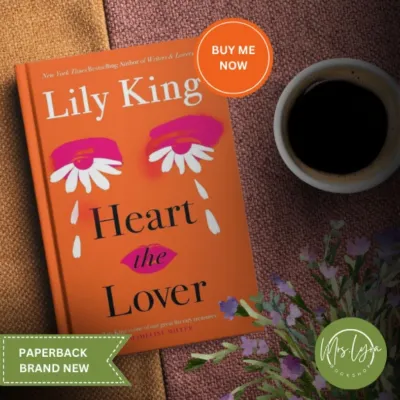
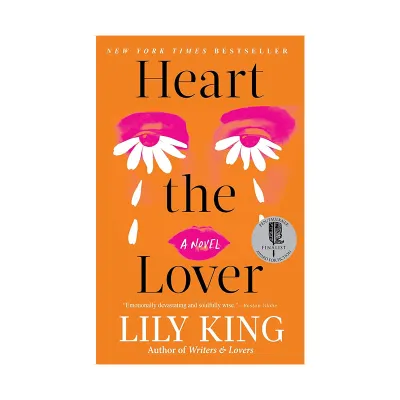
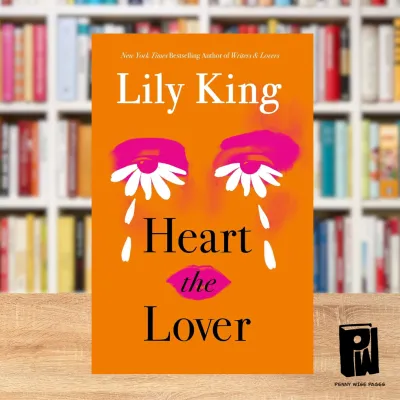
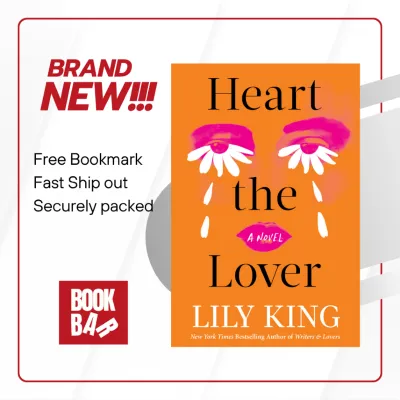
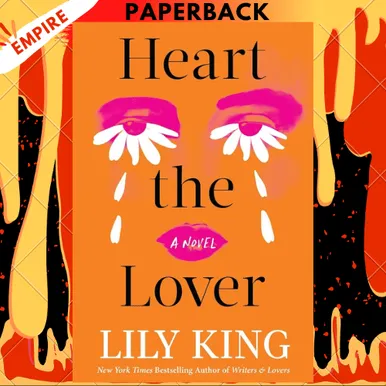
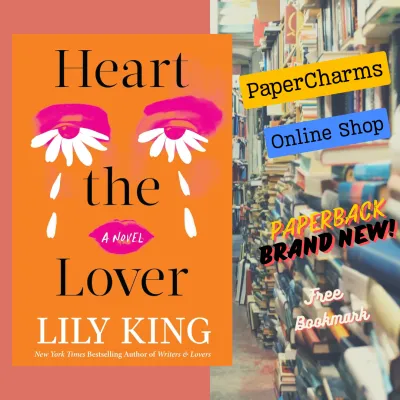
Prices are valid at publication and may change. Please refer to the product page for the latest price.
Analyze the core emotional themes of the story. Many readers are drawn to intense emotional angst, where characters face deep-seated internal conflicts, past traumas, or seemingly insurmountable social barriers. If the healing journey of the protagonists was the most satisfying part of the book, you will want to look for stories that focus on emotional recovery, forgiveness, and the gradual rebuilding of trust. Alternatively, if your favorite moments involved the agonizing tension of unspoken feelings, a slow-burn romance is likely your primary preference.
Next, examine the character dynamics. Consider the power balance between the leads—whether it is an office romance with a clear hierarchy, a protective dynamic, or an equal partnership. Pay attention to their communication styles: do they suffer from tragic misunderstandings, or do they communicate openly while fighting external obstacles? The progression of their relationship, from initial friction to mutual vulnerability, defines the narrative rhythm. Identifying whether you prefer a high-friction “enemies-to-lovers” dynamic or a comforting “friends-to-lovers” transition will guide your selection.
Finally, distinguish between plot-driven external conflicts and character-driven internal growth. Plot-driven romances rely on outside forces, such as family disapproval, career crises, or geographical distance, to keep the lovers apart. Character-driven romances, on the other hand, focus on the protagonists overcoming their own insecurities, fears of commitment, or emotional scars. Knowing which type of conflict kept you more engaged will help you choose books with the right balance of external drama and internal development.
Selection Criteria for Tagalog and English Romance Novels
When searching for your next book across both Tagalog and English romance markets, applying consistent quality standards is essential. The two markets operate differently in terms of publishing structures, pacing, and cultural nuances, which can significantly affect your reading experience.

Compare the narrative pacing and cultural context of each market. Local Tagalog romance novels, particularly those originating from serialized online platforms or traditional pocketbook publishers, often feature highly relatable, community-centric settings. These stories frequently emphasize close-knit family dynamics, local traditions, and everyday struggles in the Philippines, creating a warm and familiar atmosphere. In contrast, mainstream English romance novels often prioritize individual autonomy, career-focused conflicts, and universal settings, offering a different kind of atmospheric escape and a more structured, multi-act pacing.
Evaluate platform-specific tags, content warnings, and trigger warnings before starting a new book. Digital reading platforms rely heavily on user-generated and author-applied tags to categorize stories. While tags like “slow burn,” “fake relationship,” or “second chance” help you find specific tropes, you should also check for content warnings to ensure the story’s themes align with your current reading mood. This is especially important in high-angst romances, which may touch on sensitive topics such as grief, betrayal, or emotional trauma.
Check for content completeness and revision history, particularly when exploring serialized novels that have transitioned to traditionally published or finalized digital formats. Many popular romance stories begin as raw, chapter-by-chapter web novels. When these stories are picked up by publishers or self-published as completed e-books, they often undergo extensive editing. Verifying whether you are reading the original, unedited online draft or the polished, finalized edition will ensure a smoother reading experience with better pacing and fewer grammatical inconsistencies.
Conditional Shortlist: Matching Your Favorite Tropes
To find your next book, use a condition-based approach that matches your favorite elements of Heart the Lover to specific search strategies and tropes in both Tagalog and English romance.
If you loved the emotional angst and healing
If your favorite part of the story was the emotional intensity and the journey toward healing, focus your search on the “hurt/comfort” and “second-chance romance” tropes. In Tagalog romance, these themes are often categorized under tags like sakit-puso (heartache) or paghilom (healing). Look for stories where characters must overcome past betrayals or family tragedies to find happiness. In English romance, search for “emotional recovery,” “grief support,” or “broken characters healing together.” These stories typically feature deep internal monologues and a high level of emotional vulnerability, allowing you to experience the characters’ pain and eventual triumph alongside them.
If you preferred the slow-burn relationship dynamics
If you enjoyed the gradual buildup of tension rather than immediate romance, prioritize slow-burn dynamics. To find these, filter digital platforms for tags like “slow burn,” “enemies-to-lovers,” or “academic rivals.” Avoid stories tagged with “insta-love” or “love at first sight,” as these skip the developmental phases of the relationship. A well-crafted slow-burn novel in either language will focus on developing a deep emotional connection, shared experiences, and mutual respect before the characters ever confess their feelings, making the eventual romantic payoff incredibly satisfying.
If the setting and cultural backdrop were key
If the physical and cultural environment of the story played a major role in your enjoyment, decide whether you want to stay within a familiar local context or explore international settings. For a local feel, seek out Tagalog novels set in provincial Philippine towns, bustling university campuses in Manila, or coastal beach destinations. These settings naturally incorporate local customs, tropical weather, and relatable daily routines. If you prefer an international escape, look for English contemporary romances set in cozy small towns, historic European cities, or vibrant metropolitan areas, which offer different atmospheric backdrops and social dynamics.
Where to Discover and Verify Your Next Read
Finding your next book requires navigating various digital and physical channels while ensuring you are getting high-quality, authorized editions that fit your reading budget.
Start by exploring digital reading platforms, official publisher imprints, and authorized online bookstores. For Tagalog romance, official publisher websites and dedicated local reading apps are excellent sources for discovering both established and emerging authors. Many traditional publishers have digital storefronts where you can purchase completed e-books or order physical paperbacks. For English romance, major digital libraries, subscription services, and global e-book retailers offer extensive catalogs categorized by sub-genre and trope.
Before making a purchase, verify the edition details, language versions, and format compatibility. Romance novels are often available in multiple formats, including physical paperbacks, digital e-books, and audiobooks. If you prefer physical books, check the publisher’s official listings to confirm if the book is currently in print or if it is a limited run. For digital formats, ensure the file type is compatible with your e-reader or reading application. Additionally, pay attention to the language; some local novels are written entirely in Tagalog, while others use Taglish (a blend of Tagalog and English) or are fully translated into English.
Finally, cross-reference reader reviews and community discussions to gauge the overall satisfaction of the book before committing your time and budget. Online book communities, reader blogs, and review aggregator sites are invaluable resources. Look for reviews that discuss the pacing, the consistency of the character development, and whether the story concludes with a satisfying, emotionally complete ending. This step is particularly helpful for avoiding stories with abrupt endings or unresolved plotlines, ensuring your next read is a fulfilling experience from the first page to the last.
Frequently Asked Questions (FAQ)
How can I find physical copies of popular Tagalog romance novels?
To find physical copies of Tagalog romance novels, start by checking the official online stores and catalogs of established local publishers. Many independent authors and local publishing houses maintain official storefronts on major ecommerce platforms, where they sell authorized print editions. You can also visit physical branches of major national bookstores, which typically dedicate specific sections to local literature and romance pocketbooks. When purchasing online, always verify that the seller is an authorized distributor or the publisher itself to avoid counterfeit prints. Keep in mind that physical editions often undergo professional editing and formatting, meaning they may contain revised scenes, corrected dialogue, and improved pacing compared to the original digital drafts serialized online.
What should I check before switching from English to Tagalog romance novels?
Before transitioning from English to Tagalog romance novels, prepare for differences in language style, cultural nuances, and narrative pacing. Many contemporary Tagalog romance novels utilize Taglish, reflecting the natural, everyday conversational style of the Philippines. This code-switching adds a layer of modern realism but may require some adjustment if you are used to formal prose. Additionally, Tagalog romance is deeply grounded in local cultural values, where family obligations, community expectations, and regional customs often serve as major plot drivers or obstacles. The pacing in local novels can also differ, sometimes emphasizing emotional dialogue and dramatic confrontations over the highly structured, plot-point-driven formats common in mainstream Western romance publishing.
Community discussion
Share your experience or ask a question. Comments are reviewed before publication.