
Finding your next favorite book after finishing a captivating novel like Dear Debbie can feel like a daunting task. The unique charm of such stories often lies in their intimate storytelling, emotional vulnerability, and relatable characters navigating the complexities of youth and romance. To replicate this reading experience, you need a structured approach to discover similar Tagalog and English novels that share these core narrative elements. By focusing on specific tropes, formats, and themes, you can curate a personalized reading list that keeps you turning pages late into the tropical night.
The transition from one beloved book to the next is smoother when you understand what made the original story resonate with you. For many readers, the appeal of Dear Debbie is rooted in its epistolary format—using letters, diary entries, or digital messages to reveal the characters’ innermost thoughts—combined with a slow-burn romance and a healthy dose of emotional angst. Whether you prefer holding a physical paperback in your hands or scrolling through a digital e-reader under the breeze of a desk fan, the local literary landscape offers a rich selection of both Tagalog and English contemporary novels waiting to be explored.
Identifying the Core Appeal of Dear Debbie
To find books that deliver a similar emotional impact, you must first deconstruct the narrative DNA of Dear Debbie. One of its most prominent features is the epistolary storytelling method. Unlike traditional third-person narratives, epistolary novels rely on direct communication between characters, such as unsent letters, emails, text messages, or journal entries. This format creates an immediate sense of intimacy, making you feel as though you are reading private secrets. When searching for your next book, look specifically for stories labeled with “epistolary format” or “chat fiction” to find this distinct style of pacing and character revelation.
Products mentioned in this guide
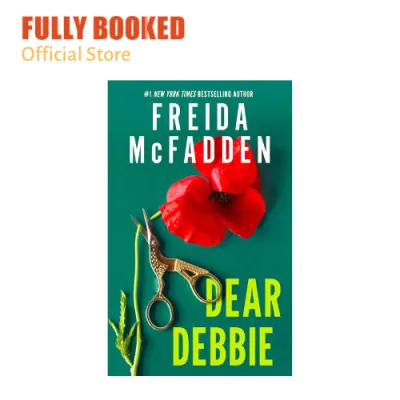
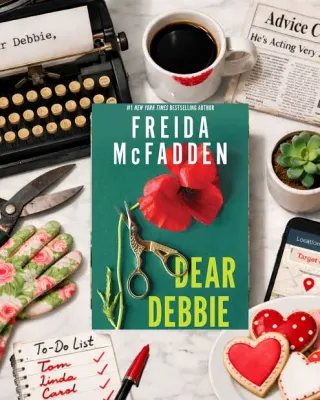


Prices are valid at publication and may change. Please refer to the product page for the latest price.
Another critical element is the coming-of-age romance trope. These stories do not just focus on love; they explore the personal growth of the protagonists as they transition from adolescence to young adulthood. You will often find themes of academic pressure, family expectations, self-discovery, and the bittersweet nature of first loves. The settings are highly relatable, frequently taking place in bustling university campuses, quiet suburban neighborhoods, or local commuter routes. Identifying this trope helps you filter out high-fantasy or historical romances in favor of grounded, contemporary slice-of-life stories.
Emotional angst and tension also play a major role in keeping readers hooked. The best contemporary romances balance lighthearted, humorous moments with deep emotional struggles, such as miscommunication, unrequited feelings, or external life challenges that keep the characters apart. This creates a slow-burn dynamic where every small interaction feels significant. When browsing for new titles, pay attention to how other readers describe the emotional weight of the book; terms like “heart-wrenching,” “bittersweet,” or “slow-burn” are excellent indicators that a novel matches this tone.
Finally, the pacing of the story dictates how the romance unfolds. Epistolary and coming-of-age novels often feature a gradual progression, allowing you to witness the characters’ bond strengthening over months or even years. This realistic timeline makes the eventual resolution far more satisfying. By using these identified traits—epistolary structure, coming-of-age themes, emotional angst, and slow-burn pacing—as your primary filtering criteria, you can narrow down thousands of available titles to a highly curated shortlist of potential favorites.
Where to Discover Similar Tagalog and English Novels
Once you know what literary elements you are looking for, the next step is knowing where to find them. The local publishing industry in the Philippines has experienced a massive surge in youth and romance fiction, making both Tagalog and English novels highly accessible. Digital reading platforms are an excellent starting point. Many local authors begin their journeys on web novel portals, where they publish serialized chapters. These platforms allow you to search using highly specific community tags, such as “epistolary,” “Taglish romance,” or “college life,” helping you discover hidden gems before they ever hit physical bookstore shelves.

In addition to digital platforms, local publishing imprints play a vital role in bringing these stories to print. Several established publishers specialize exclusively in young adult and contemporary romance fiction. These imprints curate popular web novels, edit them for print, and distribute them nationwide. Visiting the official websites or social media catalogs of these publishers can give you a comprehensive view of their active titles. Many of these publishers categorize their books by sub-genres or emotional intensity, making it easier to find stories that align with the specific vibe of Dear Debbie.
When deciding between digital formats and physical copies, consider your reading environment and lifestyle. Physical paperbacks offer a tactile experience that many book lovers cherish, but they require careful preservation in tropical climates. High humidity can cause pages to warp or yellow over time, so storing your physical collection in a cool, dry place away from direct sunlight is essential. On the other hand, digital formats like EPUBs or PDFs purchased through authorized e-book stores offer instant access, portability, and protection from environmental wear. Digital reading apps also allow you to adjust brightness and font sizes, which is ideal for late-night reading sessions.
To build a reliable shortlist, utilize the advanced search functions on publisher websites and authorized online marketplaces. Instead of searching for broad categories like “romance,” use specific keyword combinations such as “Tagalog epistolary novel” or “English-Filipino YA fiction.” Many online book communities and forums also feature user-curated reading lists dedicated to specific tropes. By cross-referencing these community recommendations with official publisher catalogs, you can verify which titles are currently in print or available for digital download, ensuring a smooth acquisition process.
Building Your Reading List: Selection and Verification Checks
Before finalizing your purchase or downloading a new novel, it is crucial to perform a few verification checks to ensure the book meets your expectations. First, verify the language availability of the edition you are looking at. Many local contemporary novels are written in “Taglish”—a natural blend of Tagalog and English that reflects daily conversations—while others are written entirely in one language. Some popular titles may also have separate translated editions. Carefully read the product specifications on the publisher’s site to confirm you are buying the version that matches your reading preference.
Second, check for content warnings, age ratings, and edition completeness. Coming-of-age novels can sometimes delve into heavy emotional themes, mental health struggles, or mature situations. Checking the book’s introductory pages, publisher description, or community-led review sites for content warnings ensures you are comfortable with the story’s direction. Additionally, verify if the book is a standalone novel or part of a series. Some printed editions of web novels are split into multiple volumes; purchasing the wrong volume or an incomplete edition can disrupt your reading experience.
Third, assess the author’s background and writing style. Authors who have a history of writing epistolary or slow-burn romance are more likely to deliver the consistent tone and emotional depth you enjoyed in Dear Debbie. You can often find short excerpts or sample chapters on the publisher’s website or digital reading platforms. Reading these samples allows you to evaluate the prose, dialogue, and overall flow of the writing before committing your budget to the full book.
Lastly, learn to navigate reader reviews effectively without falling for unverified hype. While high star ratings can be appealing, detailed written reviews provide much more valuable insights. Look for reviews that discuss character development, plot consistency, and emotional payoff. Pay attention to constructive feedback regarding the pacing—some readers may find a slow-burn story too slow, while others find it perfect. By balancing reader feedback with your personal preferences and verifying the physical or digital specifications of the book, you can confidently invest in a novel that will truly satisfy your literary cravings.
Frequently Asked Questions (FAQ)
How can I support local authors when buying these novels?
Supporting local authors is essential for keeping the vibrant literary community alive. The most effective way to do this is by purchasing books directly from official publisher websites, authorized physical bookstores, or the verified storefronts of publishers on major ecommerce platforms. Avoid buying unauthorized photocopies, pirated PDF files, or scanned digital versions from unverified online sellers. These illegal copies deprive authors and publishers of their rightful royalties, making it difficult for them to continue producing high-quality stories. Additionally, leaving thoughtful reviews on community book sites and sharing your favorite reads on social media helps boost the author’s visibility.
Are digital versions of these novels always available in both languages?
No, digital availability and language options vary significantly depending on the publisher and the author’s original manuscript. While some highly popular novels receive official translations or are published in dual-language formats, many local contemporary romances remain in their original language—whether that is Tagalog, English, or Taglish. Before purchasing a digital book, always check the product details for language specifications, file format compatibility (such as EPUB or PDF), and digital rights management (DRM) restrictions. Ensuring that the file is compatible with your specific e-reader or reading app will prevent technical issues after purchase.
What should I do if a novel on my shortlist is out of print?
If a physical book on your shortlist is currently out of print, you still have several viable options to explore. First, check if the publisher offers an authorized digital version on e-book platforms or their proprietary reading apps, as digital editions rarely go out of print. Second, consider visiting local public libraries or university libraries, which often maintain collections of local contemporary literature. Finally, you can search authorized secondhand book markets or online book-swap communities. When buying secondhand, always ask the seller for clear photos of the book’s cover, spine, and pages to verify its condition and authenticity before sending any payment, which typically ranges in local currency around ₱150 to ₱400 depending on the book’s rarity and state.
Community discussion
Share your experience or ask a question. Comments are reviewed before publication.