
The cajon has quickly become one of the most popular percussion instruments for beginners, offering a highly portable “drum kit in a box” that is easy to learn and incredibly versatile. Whether you want to join an acoustic jam session, accompany a church worship team, or practice rhythms at home, this wooden box drum provides a rich palette of sounds from deep bass booms to sharp, cracking slaps. However, browsing music stores or online marketplaces can feel overwhelming when faced with various wood types, snare configurations, and price points.
Selecting your first instrument requires understanding how its physical components shape its sound, playability, and long-term durability. By focusing on key features like the internal snare mechanism, the body and playing surface materials, and the overall ergonomics, you can avoid common beginner pitfalls and find an instrument that feels comfortable and sounds excellent.
Determine Your Preferred Sound: Snare vs. Non-Snare Cajons
The most critical decision you will make when choosing your first cajon is deciding between a snare-equipped model and a traditional non-snare model. This choice establishes the fundamental sound profile of your instrument and determines which musical genres it will complement best.
Products mentioned in this guide

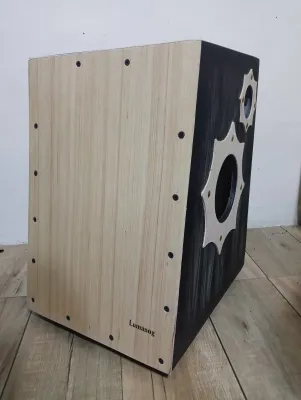
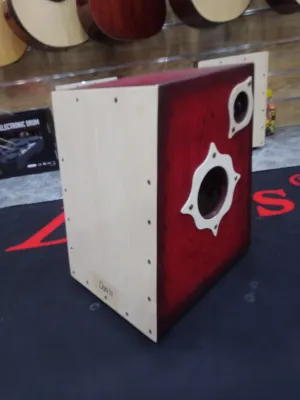

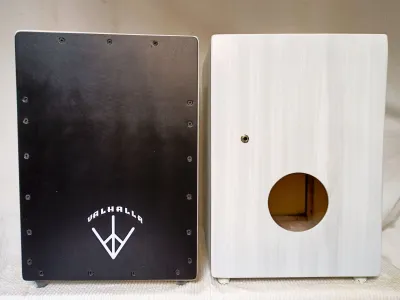

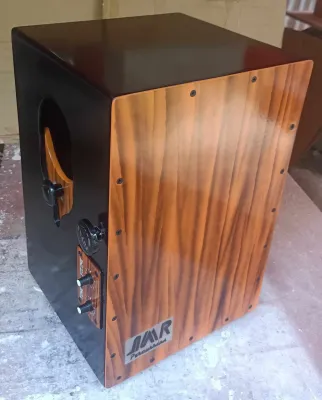
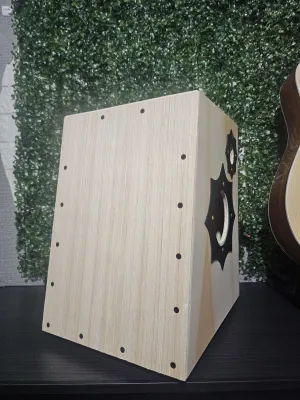
Prices are valid at publication and may change. Please refer to the product page for the latest price.
Snare Cajons: The Modern All-Rounder
Snare cajons feature internal metal snare wires—similar to those found on a snare drum—pressed against the back of the front playing surface. When you strike the upper edges, these wires vibrate, producing a crisp, sizzling rattle that mimics a snare drum’s sharp crack. This high-end sizzle, combined with the deep bass tone from the center of the box, allows you to replicate the classic kick-and-snare pattern of a standard drum kit. If you plan to play modern pop, rock, acoustic covers, or participate in contemporary worship bands, a snare cajon is highly recommended for its versatility and familiar acoustic presence.
Non-Snare and String Cajons: Traditional Warmth
Non-snare cajons, which include traditional Afro-Peruvian models, contain no internal wires or strings. They deliver a pure, woody percussion tone with a clean, dry bass and organic high tones completely free of metallic buzz. String cajons, a popular variation originating from flamenco music, utilize thin guitar strings stretched vertically against the back of the playing surface. These strings produce a much subtler, more controlled sizzle than metal snare wires, offering a warm, focused sound with excellent separation between the bass and treble tones.
Choosing the Right Path
For most beginners, a snare cajon is the most practical first purchase because it easily fits into diverse acoustic settings. If you are torn between the two styles, look for modern hybrid models that feature an external snare on/off switch or an adjustable tension knob. These mechanisms allow you to physically disengage the snare wires from the playing surface, instantly transforming a buzzing modern snare cajon into a warm, traditional percussion box.
Evaluate Body Materials for Tone and Durability
The main body, or shell, of the cajon acts as the acoustic sound chamber, directly influencing the depth of the bass, the overall projection, and the structural longevity of the instrument. While the front playing surface gets the most attention, the sides, back, and top of the box do the heavy lifting of supporting your weight and shaping the internal air resonance.

Multi-Ply Hardwood: Balance and Strength
Multi-ply wood, particularly Baltic birch or mahogany, is widely considered the standard for quality cajon construction. Birch is highly favored because its dense, uniform layers provide an incredibly balanced frequency response, yielding bright, articulate highs and a punchy, well-defined low end. Mahogany offers a slightly warmer, darker tone with a deeper bass resonance. Because multi-ply woods consist of several thin layers glued together with alternating grain directions, they are exceptionally strong, resistant to warping, and capable of supporting players of various weights without flexing.
Medium-Density Fiberboard (MDF): Budget-Friendly Consistency
MDF is a common material used in entry-level, budget-friendly cajons. Because it is engineered from compressed wood fibers and resin, it lacks a natural grain, resulting in a highly consistent, predictable sound from one instrument to the next. MDF cajons can produce decent bass tones and crisp slaps at a fraction of the cost of hardwood models. However, MDF is significantly heavier than natural wood, making it less convenient to carry. It is also more brittle, meaning it can chip or crack easily if bumped against hard surfaces during transport.
Tropical Climate and Moisture Considerations
If you are living in a warm, humid environment like the Philippines, environmental factors must play a major role in your material choice. High relative humidity can cause untreated wood and especially MDF to absorb moisture from the air. Over time, moisture absorption can cause MDF to swell, soften, and lose its resonance, while cheap plywood layers may begin to delaminate (peel apart). When evaluating a cajon, look for a robust protective finish, such as a thick polyurethane or lacquer coating, which seals the material against humidity. Additionally, plan to store your instrument indoors in a well-ventilated room rather than on damp concrete floors.
Check the Playing Surface (Tapa) for Responsiveness
The front panel of the cajon, known as the tapa, is the primary soundboard of the instrument. Unlike the thick, rigid walls of the body, the tapa is thin and flexible, designed to vibrate vigorously when struck by your hands.
Thickness and Hand Sensitivity
The thickness of the tapa directly dictates how much physical effort is required to produce a full, resonant sound. Thin tapas, usually ranging from 2mm to 3mm in thickness, are highly sensitive and responsive to light finger taps and subtle ghost notes. This high sensitivity is incredibly forgiving for beginners who are still developing their hand strength, striking accuracy, and calluses. A thicker tapa (4mm or more) requires much harder, more forceful strikes to vibrate fully. While thicker playing surfaces can offer a louder overall projection and a punchy bass, they can quickly lead to hand fatigue and joint strain during extended practice sessions.
Achieving Tonal Separation
A high-quality tapa must provide clear tonal separation, which is the distinct sonic boundary between the bass and treble zones. When you strike the center of the tapa with a flat hand, you should hear a deep, clean bass boom with minimal high-frequency snare buzz. Conversely, when you slap the top corners with loose, relaxed fingers, you should hear a sharp, high-pitched crack with prominent snare activation. If the tones bleed together—resulting in a muddy bass that rattles excessively or a corner slap that sounds hollow and lacks high-end definition—the tapa may be poorly tuned or constructed of low-grade materials.
Ergonomic Edges and Hand Comfort
Because you will be striking the tapa repeatedly, the physical comfort of the playing surface is paramount. Carefully inspect the top and side edges where the tapa meets the main body. The wood should be smoothly sanded, rounded, or slightly beveled. Avoid instruments with sharp, right-angled corners or protruding screw heads along the top edge, as these will inevitably cause pain, bruising, or cuts on your hands and fingers during play.
Select the Right Size and Ergonomics for Comfort
Playing the cajon requires you to sit directly on top of the instrument, leaning slightly forward to strike the faceplate. Because your body is in constant contact with the drum, choosing the correct size and prioritizing ergonomic comfort is essential for preventing lower back pain, muscle strain, and poor playing habits.
Standard Dimensions and Posture
A standard, full-sized adult cajon typically measures approximately 18 to 20 inches (45 to 50 cm) in height, with a footprint of about 12 by 12 inches (30 by 30 cm). This height is ergonomically optimized for average-sized adults, allowing you to sit comfortably with your knees bent at a natural 90-degree angle and your feet resting flat on the floor. From this stable position, you can easily reach the lower portions of the tapa for bass hits without having to hunch your back excessively or strain your shoulders.
Compact and Travel Alternatives
For younger players, children, or individuals of shorter stature, a standard cajon may feel uncomfortably tall, forcing them to stretch their arms awkwardly. In these cases, junior or medium-sized models (around 15 to 16 inches tall) offer a much better physical fit. While compact, travel-sized, or flat “lap” cajons are highly portable and convenient for trips, they feature much smaller internal acoustic chambers. This reduction in volume results in a shallower, less satisfying bass response and often forces adult players to adopt a hunched, uncomfortable posture that is highly detrimental to long-term practice.
Weight and Portability Trade-offs
If you plan to transport your cajon frequently to rehearsals, beach gatherings, or open mic nights, consider the physical weight of the materials. Solid wood cajons are significantly heavier than those made of multi-ply birch or mahogany. To balance sound quality with portability, look for a lightweight yet sturdy multi-ply model, and ensure you budget for a high-quality, padded gig bag equipped with comfortable backpack straps to protect both the instrument and your shoulders during travel.
Inspect Build Quality and Hardware Before Buying
Whether you are testing a cajon in a local music store or evaluating specifications on an online marketplace, performing a systematic inspection of the build quality and hardware will save you from future headaches and premature instrument failure.
Physical Inspection Checklist
To ensure you are investing in a durable, well-made instrument, use the following checklist:
- Joint Construction: Examine the corners of the main body. Look for tight, seamless wood joints (such as dovetail, finger, or miter joints) with no visible gaps or excess glue. Loose joints can cause air leaks, which severely degrade bass response and can lead to structural failure under the player's weight.
- Screws and Adjustable Corners: Look at the screws securing the tapa to the frame, especially along the top edge. Many modern cajons feature adjustable corner screws that allow you to fine-tune the "slap" sound by widening or narrowing the tiny gap between the tapa and the body. These screws should sit flush with the wood and turn smoothly without stripping.
- Rubber Isolation Feet: Check the bottom of the cajon. It must be equipped with thick, heavy-duty rubber or silicone feet secured by screws. These feet serve three critical purposes: they protect the bottom wood from scratches and moisture, prevent the instrument from sliding around while you play, and acoustically isolate the drum from the floor, preventing muddy bass frequencies from vibrating into the ground.
- Internal Hardware Security: If testing in person, gently tilt and shake the cajon. Listen for loose screws, rattling wires, or detached pieces inside the box. Play the drum at various volume levels; any unwanted metallic buzzing or vibration at low volumes indicates loose internal components.
Online Purchasing Verifications
When buying online, you cannot physically touch or play the instrument, making it crucial to read the product specifications carefully. Avoid listings with vague descriptions like “high-quality wood” and instead look for explicit material callouts, such as “Baltic birch body” or “exotic zebrano wood tapa.” Verify the exact dimensions and weight to ensure it matches your physical build. Finally, check if the package includes essential accessories; purchasing a bundle that includes a padded gig bag can save you significant money compared to buying the bag separately. In the local market, entry-level ply or MDF cajons typically range from ₱2,000 to ₱4,000, while reliable mid-range birch models run between ₱5,000 and ₱9,000, and professional-grade instruments can exceed ₱12,000.
Frequently Asked Questions (FAQ)
Do beginners need adjustable snare wires?
While adjustable snare wires are a fantastic feature, they are not strictly mandatory for your very first cajon. An adjustable system allows you to fine-tune the tension of the wires against the tapa—or disengage them entirely—giving you immense tonal flexibility for different musical styles and acoustic rooms. However, a standard, fixed-snare system is more than adequate for absolute beginners. Fixed snares are highly reliable, require zero maintenance, and allow you to focus entirely on mastering basic striking techniques, timing, and rhythmic dynamics without getting distracted by constant hardware adjustments.
Are MDF cajons a good choice for starters?
Yes, MDF cajons are a highly practical and budget-friendly entry point for absolute beginners who want to try out the instrument without making a major financial commitment. They offer a surprisingly punchy bass and a crisp slap that is perfectly suitable for home practice and casual jam sessions. However, you must accept certain trade-offs. MDF is heavier than natural plywood, lacks the rich, organic resonance of birch or mahogany, and is highly vulnerable to chipping and moisture damage. If you choose an MDF model, handle it with care and keep it away from humid environments.
How should I store my cajon in a humid environment?
In tropical regions with high humidity, proper storage is vital for preserving your cajon’s wood and internal hardware. Always store your cajon indoors in a well-ventilated, climate-controlled room, away from direct sunlight, air conditioning vents, and damp concrete floors. Avoid leaving the instrument in car trunks or outdoor patios, as rapid temperature shifts and moisture can warp the thin tapa, cause the plywood layers to delaminate, or rust the internal snare wires. Keeping your cajon inside a padded gig bag when not in use provides an extra layer of defense against dust, physical bumps, and ambient moisture.
Community discussion
Share your experience or ask a question. Comments are reviewed before publication.