
Selecting the right New King James Version (NKJV) study Bible for personal devotion requires looking beyond the translation itself to evaluate how its editorial features, theological perspective, and physical construction align with your daily spiritual habits. While a standard scripture text provides the inspired word, a well-designed study edition acts as a guided companion, offering historical context, linguistic clarifications, and structured reading paths that enrich your quiet time. The goal is to find an edition that does not distract from your prayers, but rather deepens your understanding of the text and helps you apply its truths to your daily life.
Because a study Bible is a long-term investment in your spiritual growth, understanding the anatomy of these editions prevents buyer’s remorse. The ideal devotional Bible should balance academic rigor with practical application, wrapped in a physical format that can withstand daily handling. By focusing on key selection criteria—ranging from the layout of cross-references to the durability of the binding in humid climates—you can confidently choose an edition that becomes a cherished tool in your devotional routine.
Essential Study Tools for Deep Scripture Engagement
A primary reason to choose a study Bible over a standard text is the immediate access to reference tools that help you interpret scripture as you read. Chief among these is a robust cross-reference system. Rather than reading passages in isolation, cross-references allow you to trace themes, prophecies, and historical connections across the Old and New Testaments. For a seamless reading flow, look for editions that place these references in a center column or directly alongside the verses, which minimizes the need to flip back and forth to the appendix.
Products mentioned in this guide

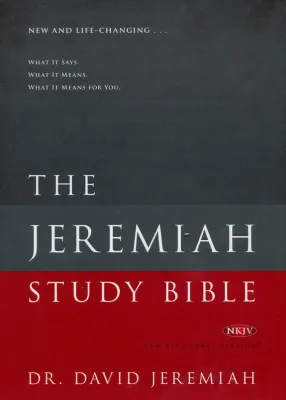
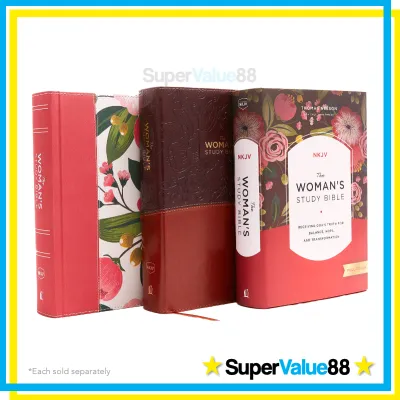
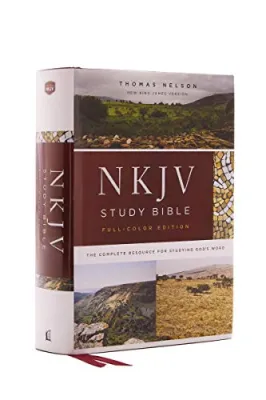
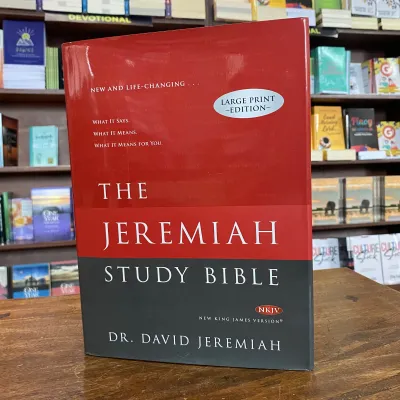
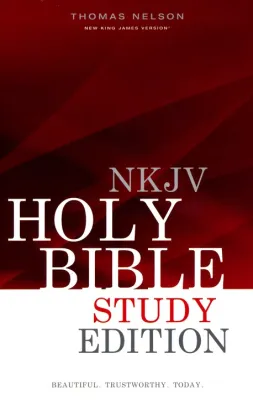
Prices are valid at publication and may change. Please refer to the product page for the latest price.
A comprehensive concordance is another indispensable tool for thematic study. Located at the back of the Bible, a concordance serves as an index of key words, showing you where else those terms appear in scripture. When you are meditating on a specific concept during your devotions—such as covenant, grace, or redemption—a detailed concordance allows you to quickly build a mini-topical study. Ensure the concordance is extensive enough to be useful without making the volume excessively bulky.
Book introductions and chapter outlines set the historical and literary stage before you begin reading a biblical book. A quality introduction answers critical questions: Who wrote this book? To whom was it written? What was the cultural and political climate of the time? Understanding that a letter was written from a Roman prison or addressed to a community facing severe persecution changes how you perceive its emotional weight and practical advice. Outlines also help you keep track of the author’s overarching argument as you read through shorter daily sections.
Finally, look for supplementary tools that facilitate structured learning. A harmony of the Gospels is highly beneficial for comparing parallel accounts in Matthew, Mark, Luke, and John during personal study. Topical indexes, maps of the ancient world, and brief dictionary appendices further support your daily reading. These tools allow you to resolve historical or geographical questions immediately, keeping your focus centered on the spiritual lessons of the text.
Aligning Theological Notes With Your Beliefs
The commentary notes at the bottom of each page are the heart of any study Bible, but they are not neutral. Every study Bible is edited by individuals or committees who bring specific theological frameworks, denominational backgrounds, or interpretive traditions to the text. Before purchasing, it is vital to understand whether an edition’s commentary aligns with your personal beliefs or if it presents a theological perspective you wish to study more deeply.

One of the first distinctions to make is between single-theologian editions and multi-contributor study Bibles. Single-theologian editions feature commentary written entirely by one scholar, offering a highly consistent, unified theological voice throughout the scriptures. This can be incredibly helpful for understanding a specific systematic theology. Conversely, multi-contributor editions bring together a diverse panel of biblical scholars and archeologists, often providing a broader range of historical and linguistic insights while presenting multiple traditional viewpoints on highly debated passages.
To verify the theological stance of an edition, examine the publisher’s preface, the list of contributors, and the explanatory notes on key doctrinal passages. Different editions may lean toward Reformed, Wesleyan, dispensational, covenantal, or broadly ecumenical perspectives. Identifying these leanings beforehand ensures that the commentary supports your spiritual growth rather than causing constant theological friction during your quiet devotional hours.
Furthermore, you must balance academic depth with practical application. Some study Bibles focus heavily on original language word studies, textual variants, and archaeological discoveries, which is excellent for intellectual growth but can sometimes feel dry during personal devotion. Other editions prioritize practical application, offering reflective prompts, character profiles, and life lessons. Decide whether your current spiritual season requires a highly analytical tool or a reflective, application-oriented guide.
Choosing the Right Physical Format for Daily Reading
The physical design of your Bible directly impacts how consistently you use it. If the text is too small, the pages too thin, or the volume too heavy, you may find yourself hesitating to pick it up for your daily devotions. Font size is the first point of comfort; look for editions featuring clear, modern typefaces, often marketed as “Comfort Print,” with a font size of at least 9-point or larger to prevent eye strain during early morning or late-night reading.
Paper quality and page layout also play a massive role in readability. Because study Bibles contain both the scripture text and extensive commentary, the paper is naturally thin to keep the book manageable. However, low-quality paper suffers from “ghosting,” where the text from the opposite side of the page shines through, making the words difficult to read. Look for high-opacity paper, and consider whether you prefer a traditional double-column layout or a modern single-column layout, which reads more like a standard book and can improve reading immersion.
In tropical environments like the Philippines, the durability of the binding and cover materials is a critical consideration. High humidity and heat can cause cheap glued bindings to dry out, crack, and lose pages over time. A Smyth-sewn binding is the gold standard, as it uses thread to bind the pages, ensuring the Bible can lay completely flat on a desk or lap without the spine breaking. For cover materials, while genuine leather or premium goatskin offers the greatest longevity, high-quality synthetic covers (often labeled as Leathersoft or imitation leather) provide excellent durability and resistance to moisture at a more accessible price point. Avoid cheap paper-board or low-grade polyurethane covers that tend to peel or warp in humid weather.
Portability is the final physical factor to weigh against your lifestyle. A comprehensive study Bible packed with notes can easily weigh over two kilograms, making it a permanent fixture for your home desk rather than a travel companion. If your devotional routine involves commuting, traveling, or attending community study groups, look for a “personal size” study Bible. These editions offer a compromise, scaling down the font size and the volume of notes slightly to provide a highly portable, lightweight format.
Building a Shortlist Based on Your Devotional Routine
To narrow down the vast array of NKJV study Bibles on the market, start by mapping your specific devotional habits. If you are a beginner or prefer a highly reflective quiet time, look for editions that emphasize daily application, character studies, and clear, accessible explanations. If you are an advanced student of scripture, prioritize editions that offer original Greek and Hebrew word studies, detailed historical-critical notes, and comprehensive cross-references.
Consider whether you want specialized physical features to support your spiritual disciplines. For instance, if you process your thoughts through writing, a journaling study Bible with wide, lined margins is an excellent choice, allowing you to write down prayers, insights, and sermon notes directly next to the scripture. If you struggle with consistency, look for editions that include built-in reading plans—such as chronological, historical, or one-year plans—to keep your daily reading structured and on track.
Setting a realistic budget is also an important step in your decision-making process. High-quality study Bibles are a significant financial investment, with prices ranging from several hundred to several thousand pesos (₱) depending on the cover material, paper quality, and binding type. While it may be tempting to opt for the cheapest available option, investing in a durable, sewn-bound edition with high-opacity paper will save you money in the long run, as it will not need to be replaced after a few years of daily use.
When you are ready to purchase, always verify the edition, language, and completeness of the text. To avoid counterfeit copies, poorly printed editions, or volumes with missing pages, purchase your Bible through authorized religious bookshops, established local Christian publishers, or reputable online retailers in the Philippines. Taking the time to research the physical specifications and theological background of an edition ensures that your chosen NKJV study Bible will serve as a reliable, inspiring tool for your spiritual journey for years to come.
Frequently Asked Questions (FAQ)
Do I need a study Bible for personal devotion, or is a standard text enough?
While a standard Bible text is entirely sufficient for personal devotion, a study Bible provides valuable context that can prevent misunderstandings and enrich your reading. The historical introductions, cross-references, and explanatory notes help clarify difficult passages immediately, allowing you to focus on prayer and application rather than struggling with archaic terms or unfamiliar cultural contexts. If you prefer a simple, meditative reading flow without academic commentary, a standard text may suit you best; however, if you enjoy digging into the historical and theological background of the scriptures, a study Bible is a highly beneficial investment.
How can I verify the theological perspective of a study Bible before buying?
To verify the theological perspective of a study Bible, start by reading the publisher’s preface and the introduction section, which usually outline the translation philosophy and the doctrinal stance of the editorial committee. You can also research the names of the general editors and contributors listed at the front of the Bible to understand their academic and denominational backgrounds. Finally, look up how the commentary handles key theological passages—such as Ephesians 2, Romans 9, or passages concerning church covenants—to see if the explanations lean toward a specific theological tradition.
What is the difference between a devotional Bible and a study Bible?
The primary difference lies in the focus of the supplementary material. A study Bible focuses on academic, historical, linguistic, and theological analysis, providing tools like cross-references, word studies, and commentary to help you understand the original meaning of the text. A devotional Bible, on the other hand, focuses on personal reflection, spiritual application, and daily inspiration, often featuring modern anecdotes, prayer prompts, and thematic reading plans designed to connect the scripture directly to your daily emotional and spiritual life.
Community discussion
Share your experience or ask a question. Comments are reviewed before publication.