
Anime light novels are Japanese young adult novels characterized by fast-paced storytelling, engaging dialogue, and striking manga-style illustrations. If you want to start collecting them in the Philippines, the process involves identifying your favorite series, sourcing authentic copies from reputable local bookstores or online marketplaces, and protecting your physical books from the country’s humid tropical climate. Building a collection allows you to experience the complete, unadapted stories of your favorite anime franchises while owning beautiful physical volumes for your bookshelf.
Understanding the Anime Light Novel Format
To build a collection, you must first understand what makes a light novel distinct from other literary formats. Originating in Japan, these books are primarily targeted at young adults, though they enjoy a massive global audience of all ages. They are characterized by their accessible writing style, short paragraphs, and heavy reliance on dialogue, which makes them quick and engaging to read.
Physically, light novels are unique in their presentation. In Japan, they are typically published in a compact pocketbook format known as bunkobon (roughly A6 size). English-translated editions, which are the most common targets for collectors in the Philippines, are usually scaled up to a larger trade paperback size (often around 5 by 7 inches). These books feature eye-catching, full-color cover art and a handful of black-and-white illustrations scattered throughout the chapters, usually drawn by prominent manga artists.
Products mentioned in this guide
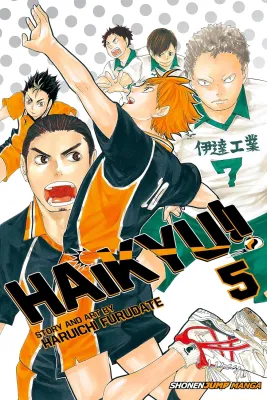
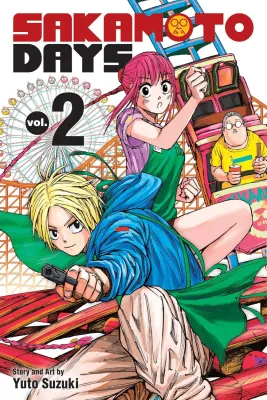
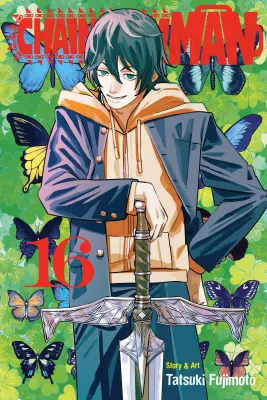
40 Lazada user ratings
tagal na deliver banana anahjs hahaha sjajajjss ahshhsjsjs jsjsjsjjs sjajjsja ahahhahs
Detailed artwork and storytelling,
it's good for its price
👍👍👍👍👍nice maayos salamat 🥰
I love to read this
Prices are valid at publication and may change. Please refer to the product page for the latest price.
It is important to distinguish light novels from manga and web novels. While manga is a fully sequential comic book medium relying on panels and speech bubbles, a light novel is primarily text-based prose. Web novels, on the other hand, are self-published digital drafts serialized on free platforms. Many popular light novels begin as web novels before being scouted by publishers, polished by professional editors, and printed with official illustrations.
The illustrations in a light novel do more than just break up the text; they are a core driver of collector appeal. These drawings bring key dramatic moments, character designs, and fantasy worlds to life, bridging the gap between text and animation. For collectors, owning a physical volume means possessing these pieces of official artwork in high-quality print, making the books as much a visual display piece as a literary work.
Step-by-Step Guide to Collecting Light Novels in the Philippines
Starting your collection in the Philippines requires a systematic approach to ensure you spend your budget wisely on genuine, high-quality books. By following a clear path from selection to purchase, you can avoid common beginner pitfalls and build a library you will cherish for years.

Identifying Your Preferred Genres and Series
The easiest entry point into light novels is through the anime or manga you already enjoy. Because a standard one-season anime adaptation often covers only the first three to five volumes of a light novel series, reading the original source material is the best way to find out what happens next in the story. Look up the production details of your favorite shows to see if they are based on a light novel series.
If you prefer to start fresh, exploring popular genres can help you narrow down your options. The isekai genre (portal fantasy) is incredibly dominant in the light novel space, offering expansive world-building and progression-based magic systems. Alternatively, you can explore lighthearted slice-of-life stories, slow-burn romances, or dark psychological thrillers, each offering a distinct narrative pace and tone suited to different reading moods.
Finding Reliable Bookstores and E-commerce Platforms
Sourcing authentic light novels in the Philippines requires knowing where to look, as counterfeit books are a common issue on unregulated online platforms. Major physical bookstore chains in the country, particularly those with large imported book sections, frequently stock popular English-translated light novels in their major branches. Specialty comic book shops and hobby stores in metropolitan areas also carry curated selections of popular titles.
When shopping on online marketplaces and e-commerce platforms, vigilance is key. Always look for official store badges, verified distributor labels, and high seller ratings. Avoid listings that feature unusually low prices (such as ₱100 to ₱200 for a brand-new paperback), as these are almost always unauthorized, low-quality reprints with blurry text and poor paper quality. Genuine imported light novels typically retail between ₱600 and ₱1,200 per volume, depending on the publisher and format.
For a wider selection, you can turn to authorized local online distributors who specialize in manga and light novel imports. Many of these specialty shops operate their own standalone websites or verified storefronts on major e-commerce platforms, offering pre-order services for upcoming releases. Additionally, international online retailers that offer direct shipping to the Philippines are excellent options for sourcing hard-to-find volumes, provided you calculate the shipping costs beforehand.
Evaluating Editions, Languages, and Import Costs
Before clicking the purchase button, carefully verify the product specifications to ensure you are buying the correct version. Light novels are published in their original Japanese language as well as official English translations. Unless you are studying Japanese or collecting purely for the cover art, ensure the listing explicitly states the language is English.
Pay close attention to volume numbers and release formats. Some series are released as digital-first editions, with physical print runs following months later. Additionally, check if a listing is for a standard volume or a special edition. Special editions may include exclusive dust jackets, bonus booklets, or promotional bookmarks, which can justify a higher price tag for dedicated collectors.
When importing books directly from overseas, you must factor in the total cost of acquisition. Standard shipping can take several weeks, while express couriers are faster but significantly more expensive. In the Philippines, books are generally exempt from customs duties under specific educational and literary provisions, but shipments are still subject to local handling fees and must fall under the de minimis value threshold of ₱10,000 to avoid standard import taxes. Keep your individual order values below this threshold to keep your hobby cost-effective.
Caring for and Organizing Your Collection
The tropical climate of the Philippines presents unique challenges for preserving physical books. High relative humidity, intense heat, and airborne dust can rapidly deteriorate paper quality if left unchecked. To protect your investment, you must implement a proactive care and storage routine.
Moisture is the primary enemy of paper, leading to wavy pages, mold growth, and accelerated yellowing. Avoid storing your light novels in damp areas of your home, such as rooms without proper air circulation or walls adjacent to bathrooms. To mitigate humidity, consider placing silica gel packets or moisture-absorbing tubs on your bookshelves. Keeping your books in a room with regular air conditioning or using a dehumidifier can also significantly extend their lifespan.
Direct sunlight causes UV damage that fades cover art and turns white pages brown. Position your bookshelves away from windows where sunlight can strike the spines of your books. For added protection, many collectors wrap their light novels in individual plastic sleeves. Resealable oriented polypropylene (OPP) bags or custom-fit book covers shield the volumes from dust, finger oils, and ambient moisture while still allowing you to view the cover art clearly.
Organizing your collection is a rewarding part of the hobby that makes inventory tracking simple. A common method is sorting books alphabetically by title, then sequentially by volume number. Alternatively, you can group your collection by publisher, as books from the same publishing house often share identical spine heights and design layouts, creating a highly aesthetic, uniform look on your shelf. Whichever system you choose, ensure your bookshelves are not packed too tightly; leaving a small amount of space between books prevents cover friction and allows air to circulate freely.
Frequently Asked Questions (FAQ)
Do I need to watch the anime before reading the light novel?
No, you do not need to watch the anime adaptation before diving into the original light novel. In fact, starting with the light novel often provides a much richer experience. Anime adaptations are frequently forced to cut internal monologues, detailed world-building, and minor subplots due to television runtime constraints. Reading the light novel gives you the complete, unfiltered vision of the author. However, if you find it difficult to visualize characters or settings, watching a few episodes of the anime first can provide a helpful visual reference that enhances your reading experience.
Are English-translated light novels censored or altered?
Localization practices vary by publisher, and some level of adaptation is always necessary to translate Japanese idioms, cultural references, and honorifics into natural-sounding English. While most publishers strive for fidelity to the original text, there have been historical instances where content was edited or condensed for Western audiences. Today, major publishers generally maintain high standards of textual integrity. If you are concerned about potential alterations in a specific series, you can check official publisher statements, read preview chapters online, or consult community forums where readers compare translated editions to the original Japanese releases.
Community discussion
Share your experience or ask a question. Comments are reviewed before publication.