
Guitar tuning pegs—also known as machine heads, tuners, or tuning keys—are the mechanical pegs located on your guitar’s headstock that hold the strings in place and adjust their tension. By turning these pegs, you tighten or loosen the strings to raise or lower their pitch, allowing you to get your instrument perfectly in tune. For beginners, understanding how these small components work and what specifications to look for is essential, as they directly impact how easily your guitar stays in tune, especially in humid tropical climates where wood and strings constantly react to environmental changes.
What Are Guitar Tuner Pegs and How Do They Work?
At their core, tuning pegs rely on a simple worm gear mechanism. When you turn the tuning button, it rotates a worm gear, which in turn rotates a spur gear attached to the string post. This mechanical advantage allows you to make micro-adjustments to high-tension steel or nylon strings without them slipping backward.
The quality of this gear mechanism dictates your instrument’s tuning stability. Low-quality or worn-out pegs often suffer from “backlash,” a physical play or looseness in the gears where turning the button doesn’t immediately move the post. This makes precise tuning incredibly frustrating for beginners who are still training their ears.
Products mentioned in this guide

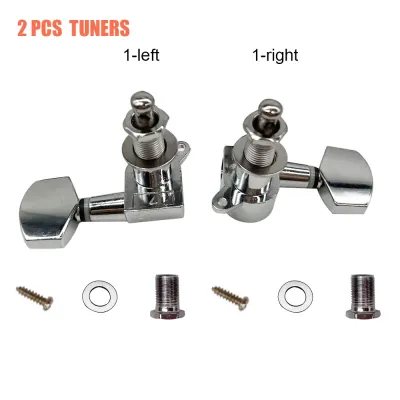
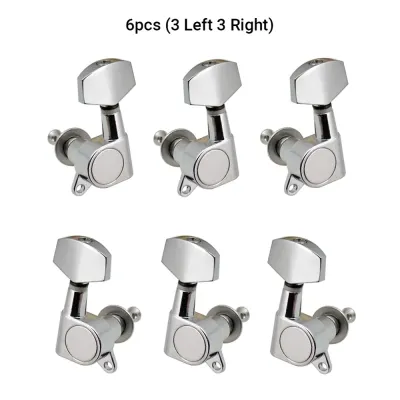
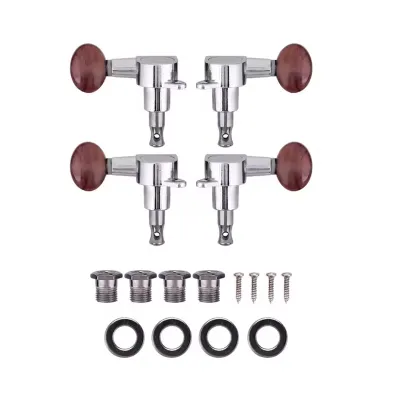
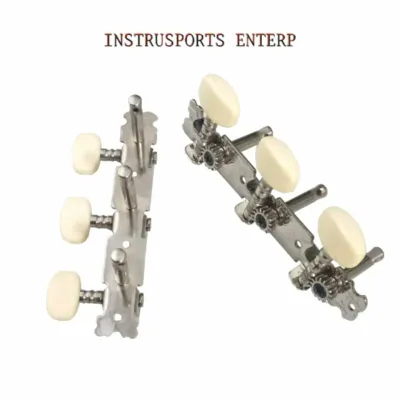
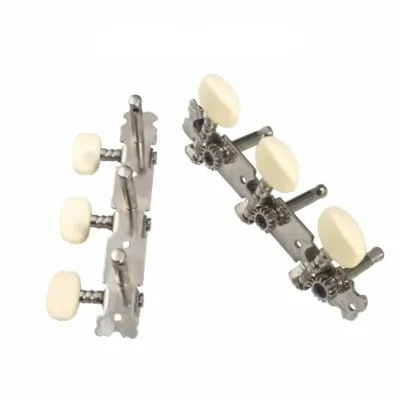
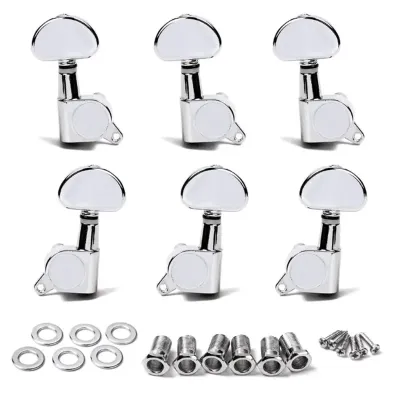
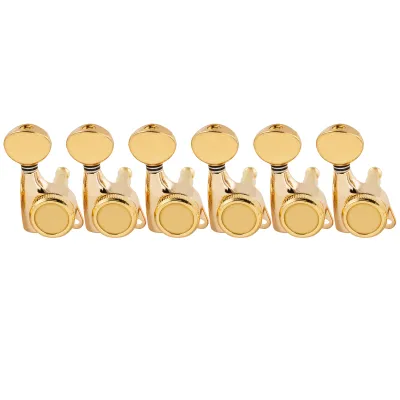
Prices are valid at publication and may change. Please refer to the product page for the latest price.
When shopping for your first acoustic, classical, or electric guitar, or considering a budget-friendly upgrade, paying attention to the tuning pegs can save you hours of frustration. Reliable tuners ensure that once you tune your guitar, it stays playable through long practice sessions, temperature shifts, and changes in indoor humidity.
Sealed vs. Open-Back vs. Locking: Choosing the Right Type
Tuning pegs generally fall into three primary design categories: sealed, open-back, and locking. Each configuration offers distinct advantages in terms of maintenance, aesthetic appeal, and ease of use, making them suitable for different styles of guitars and player preferences.

Sealed Tuners
Sealed tuners, also known as die-cast or enclosed tuners, house the gear mechanism inside a sealed metal casing filled with lubricant. This protective enclosure prevents dust, sweat, and moisture from entering the gears, which is particularly beneficial in humid environments where corrosion can quickly ruin exposed metal parts. Because they require virtually no maintenance and are highly durable, sealed tuners are the modern standard for most contemporary steel-string acoustic and electric guitars.
Open-Back Tuners
Open-back tuners leave the gear mechanism completely exposed to the elements, showcasing a classic, vintage aesthetic. These are traditionally found on classical guitars with slotted headstocks, as well as vintage-style acoustic guitars and ukuleles. While they are lighter in weight than sealed tuners, they do require occasional cleaning and lubrication to prevent dust buildup and ensure the gears continue to turn smoothly over time.
Locking Tuners
Locking tuners look very similar to standard sealed tuners but feature an internal clamp mechanism, usually tightened by a thumbwheel on the back of the housing. This mechanism locks the guitar string tightly inside the post, eliminating the need to wrap the string around the post multiple times during restringing. While locking tuners make string changes incredibly fast and improve tuning stability on electric guitars with tremolo systems, they are generally heavier and more expensive, making them an optional luxury rather than a strict necessity for beginners.
Key Specs to Check Before You Buy
If you plan to replace the stock pegs on your beginner guitar, you cannot simply buy any set off an online marketplace and expect them to fit. You must verify several technical specifications to ensure physical compatibility and the level of tuning precision you desire.
Gear Ratio and Tuning Precision
The gear ratio determines how many times you must turn the tuning button to complete one full rotation of the string post. For example, a 14:1 gear ratio means 14 full turns of the button rotate the post once, while an 18:1 ratio requires 18 turns. A higher gear ratio allows for finer, more precise adjustments, which is incredibly helpful for dialing in exact pitches. When evaluating tuners, look for smooth rotation without any sudden jumps or loose spots, which indicates high-quality manufacturing.
Mounting Configuration and Post Size
Physical compatibility depends entirely on your guitar’s headstock layout and physical dimensions. You must first identify your mounting configuration, such as a “6 In-Line” setup (common on Stratocaster-style electrics) or a “3+3” setup (common on Les Paul-style electrics and acoustic guitars). Additionally, you must measure the diameter of the post holes in your headstock—typically 8mm for vintage-style tuners or 10mm for modern sealed tuners—and check the exact placement of the small mounting screws on the back of the headstock to avoid drilling new holes.
How to Verify Compatibility for Your Beginner Guitar
To avoid purchasing the wrong parts, start by locating the exact model name of your guitar and checking the manufacturer’s official specification sheet online. Many brands list the exact tuner hole dimensions and peg types used on their factory models.
If the official specifications are missing or unclear, use a digital caliper to measure your existing tuning pegs. Measure the post diameter, the bushing diameter, and the distance between the mounting screw holes. If you are uncomfortable taking these measurements yourself, bring your instrument to a local music store or consult a professional luthier to ensure you select a direct “drop-in” replacement.
Avoid forcing incompatible tuning pegs into your headstock. Forcing a 10mm modern tuner into an 8mm vintage hole can crack the wood of your headstock, while drilling new mounting screw holes incorrectly can permanently damage your instrument and void any active manufacturer warranties.
Frequently Asked Questions (FAQ)
Can I upgrade the tuning pegs on a cheap beginner guitar?
Yes, upgrading the tuning pegs is one of the most cost-effective ways to improve a budget guitar’s playability. However, you should weigh the cost of the new pegs—which can range from ₱1,000 to ₱4,000 or more—against the overall value of the instrument to ensure the upgrade makes financial sense.
Do heavier tuning pegs affect the guitar's tone or sustain?
While some players claim that heavier tuners add mass to the headstock and slightly increase sustain, the physical difference is negligible for beginners. Your primary focus should always be on tuning stability, smooth gear operation, and physical fit rather than unverified tonal improvements.
Why does my guitar keep going out of tune even with new pegs?
Tuning instability is rarely caused by the tuning pegs alone. Often, strings slip because they were not wound properly around the post, or they get caught in a tight nut slot, creating uneven tension. Ensure your strings are stretched properly, and check that the nut slots and bridge saddles are clean and smooth.
Community discussion
Share your experience or ask a question. Comments are reviewed before publication.