
The guitar pickup is the heart of an electric or acoustic-electric instrument, acting as the bridge between physical string movement and the sound that emerges from your amplifier. Choosing the right pickup type determines whether your guitar produces a bright, cutting chime or a thick, warm roar. Understanding the differences between single-coils, humbuckers, and piezo systems allows you to shape your tone, match your favorite musical genres, and make informed decisions when buying a new instrument or upgrading your current setup.
The Core Function of a Guitar Pickup
At its most basic level, a guitar pickup is a transducer that converts mechanical energy from vibrating strings into an electrical signal. For standard electric guitars, this process relies on magnetic induction. The pickup consists of permanent magnets wrapped with thousands of turns of fine copper wire. When the steel or nickel strings vibrate within the magnetic field, they disturb the field and create a small alternating current in the coil. This weak electrical signal travels through the guitar’s volume and tone controls, down the instrument cable, and into your amplifier or effects pedals, where it is boosted into audible sound.
Acoustic-electric guitars and hybrid instruments often use a different method called piezoelectric pressure sensing. Instead of relying on magnetic fields, piezo pickups use specialized crystals that generate an electrical voltage when subjected to physical pressure or vibration. This allows them to capture the actual resonance of the wood and the physical movement of the bridge, rather than just the movement of metallic strings. Whether magnetic or piezoelectric, the design of the pickup dictates the strength, frequency balance, and overall character of the signal sent to your audio gear.
Products mentioned in this guide
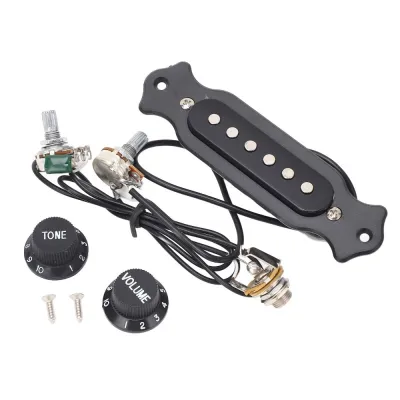
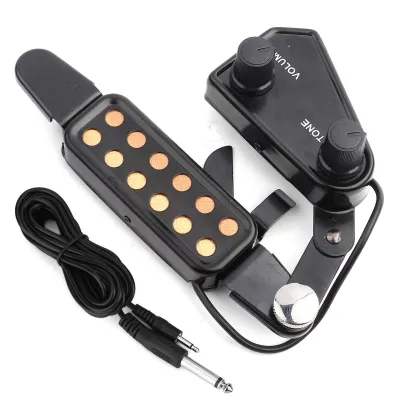
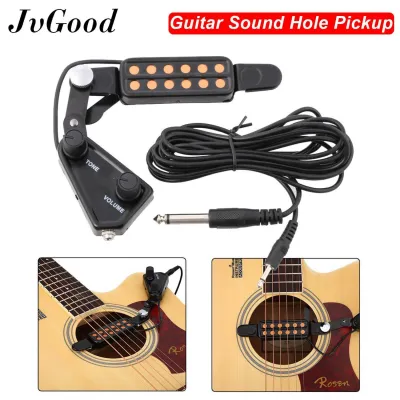
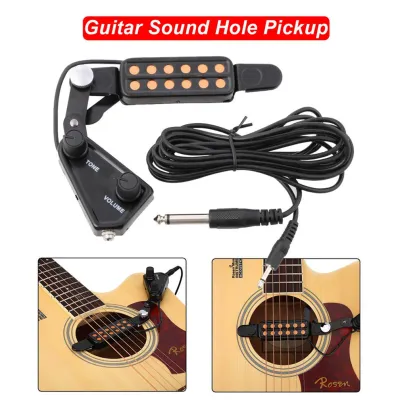
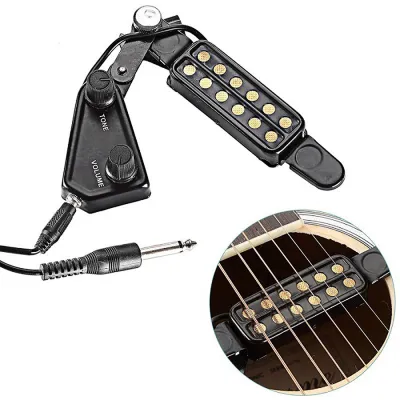
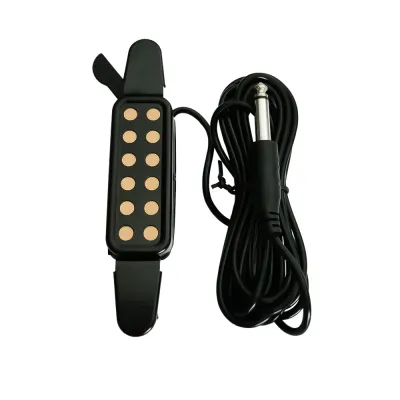
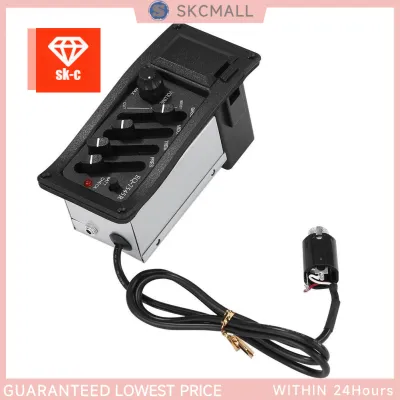
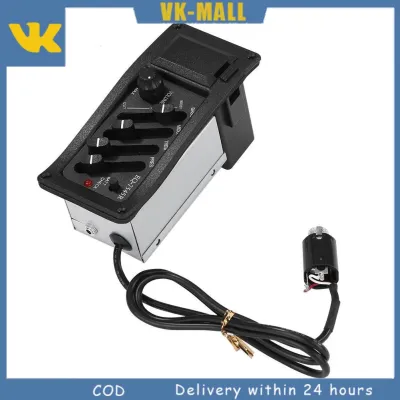
Prices are valid at publication and may change. Please refer to the product page for the latest price.
Single-Coil Pickups: Bright and Articulate
Single-coil pickups are the original magnetic design, featuring a single coil of wire wrapped around individual magnetic pole pieces or a single bar magnet. This construction produces a highly articulate, clear, and bright tone with a sharp attack. Single-coils excel at preserving the natural dynamics of your playing, capturing subtle fingerstyle nuances and pick attacks with exceptional detail. They are famous for their bell-like chime, glassy highs, and tight low-end response, making them a staple for players who value clarity and definition.

However, the single-coil design has a well-known physical limitation: it acts as an antenna for electromagnetic interference. This susceptibility results in an inherent 60-cycle hum, which becomes particularly noticeable when playing near fluorescent lights, computer monitors, or when using high-gain distortion pedals. In tropical environments like the Philippines, where older venue wiring or household electrical setups may lack proper grounding, this hum can be more pronounced during local gigs or home practice sessions.
Despite the noise, the distinct voice of the single-coil pickup remains highly sought after across many musical genres. It is the defining sound of blues, funk, country, indie rock, and classic rock. The bright bite of a single-coil cuts through a dense band mix effortlessly, allowing clean rhythm parts to sound crisp and lead lines to sing with expressive clarity.
Humbucker Pickups: Warm and High-Output
To solve the hum issue inherent in single-coils, the humbucker pickup was introduced. This design uses two coils placed side-by-side or stacked, with their magnetic poles and wire windings configured in opposite directions. This clever arrangement causes external electromagnetic interference to cancel itself out—or “buck the hum”—resulting in a remarkably quiet performance even under high-gain conditions. Because the two coils are wired in series, they also produce a stronger electrical signal, giving humbuckers a higher output than standard single-coils.
Tonally, humbuckers offer a stark contrast to single-coils. The dual-coil design naturally filters out some of the extreme high frequencies, resulting in a warmer, thicker, and darker sound. Humbuckers emphasize the midrange frequencies, providing a punchy, compressed tone with excellent sustain. This makes them highly effective at driving amplifiers into natural distortion, creating a smooth, creamy overdrive that remains articulate without becoming harsh or ice-picky.
These characteristics make humbuckers the go-to choice for heavy and high-gain genres. They are essential for hard rock, heavy metal, punk, and progressive rock, where tight, high-output rhythm playing and sustaining solos are required. At the same time, the warm, round low-end of a humbucker is highly prized by jazz guitarists who seek a smooth, clean tone that avoids any harsh treble bite.
Piezo Pickups: Acoustic Resonance for Solid-Body Guitars
Piezoelectric pickups operate on a completely different physical principle than magnetic pickups. Instead of sensing magnetic disturbances, they are placed directly under the saddle or bridge of the guitar, where they detect the physical pressure and mechanical vibrations of the strings and body wood. This direct contact allows piezo pickups to capture the acoustic properties of the instrument, translating the physical resonance of the guitar’s construction into an electrical signal.
The resulting tone is exceptionally bright, highly responsive, and acoustic-like in its character. Because they do not rely on magnetic materials, piezo pickups can work with nylon strings as well as steel strings, making them the standard choice for classical acoustic-electric guitars. On solid-body electric guitars, piezo systems are often installed to give players a hybrid setup, allowing them to switch from heavy electric tones to convincing acoustic simulations without changing instruments mid-performance.
While piezo pickups provide incredible clarity and a fast tracking response, they can sometimes sound overly bright or “quacky” if plugged directly into a standard electric guitar amplifier. To get the most natural acoustic sound, they are typically routed through an onboard preamp or an external acoustic direct box (DI) before going into a PA system or a dedicated acoustic amplifier. This setup helps balance the high-frequency response and preserves the woody warmth of the instrument.
How to Match Pickup Types to Your Playing Style
Choosing the right pickup configuration requires balancing your musical goals with your physical instrument. Start by aligning the pickup’s output and EQ curve with your primary genres. If your playing style relies on clean, rhythmic funk scratches, country twang, or expressive blues leads, a single-coil setup will provide the necessary clarity. If you prefer heavy riffs, high-gain solos, or smooth jazz chords, a humbucker-equipped guitar will deliver the warmth and noise-free performance you need.
Before purchasing a new pickup as an upgrade, you must inspect your guitar’s physical construction. Check the routing under the pickguard or inside the body cavity to see if it can accommodate different pickup shapes. Single-coils and humbuckers have different physical dimensions; a guitar routed strictly for single-coils cannot fit a humbucker without professional woodworking. Additionally, consider the local climate: high humidity in tropical regions can accelerate the oxidation of exposed pickup poles and internal wiring, so keeping your guitar in a dry case with silica gel packs is a practical step to preserve your electronics.
Finally, consider how your pickups will interact with your existing gear. High-output humbuckers will push your pedals and amplifier into distortion much faster than low-output single-coils. If you use a digital modeler or a solid-state amplifier, the input impedance and signal strength of your pickups will affect how your presets react. Balancing these factors ensures that your guitar, pickups, and amplifier work together to produce the exact tone you hear in your head.
Frequently Asked Questions (FAQ)
Can I mix single-coil and humbucker pickups on the same guitar?
Yes, mixing pickup types is highly common and offers excellent tonal versatility. Popular configurations like HSS (Humbucker-Single-Single) or HSH (Humbucker-Single-Humbucker) allow you to access the bright chime of single-coils in the middle and neck positions while switching to a powerful humbucker at the bridge for heavy rhythm parts. When mixing these types, you may experience a slight volume jump when switching between positions due to the higher output of the humbucker. Guitar builders often balance this by using specific potentiometer values, such as 500k-ohm pots with resistors, to ensure both pickup types perform optimally without one overpowering the other.
What is the difference between active and passive pickups?
Passive pickups rely entirely on the natural magnetic induction of their wire coils and magnets, requiring no external power source. They are highly dynamic, responsive to your playing touch, and offer a classic, organic tone. Active pickups, on the other hand, feature fewer wire wraps around the magnets to reduce noise, but use an active, battery-powered preamp built into the guitar to boost the signal. This design requires a 9-volt battery, which must be replaced periodically. Active pickups provide a very high, consistent output, extremely low noise, and active EQ controls, making them highly popular for modern metal and pristine, ultra-clean studio recording.
Community discussion
Share your experience or ask a question. Comments are reviewed before publication.