
Choosing a 24-fret electric guitar neck is about much more than simply gaining two extra notes at the dusty end of the fretboard. The physical geometry of a 24-fret neck fundamentally alters how your hand interacts with the instrument, affecting everything from string tension to high-register access. By understanding how specifications like scale length, neck profile, and fretboard radius work together, you can select a neck that naturally supports your lead playing technique.
The 24-Fret Difference: Neck Joint and Upper Register Access
To accommodate 24 frets, guitar manufacturers must extend the fretboard further into the body or push the entire neck pocket outward. This design shift moves the neck-to-body joint deeper, which physically alters how you access the highest register. If the guitar body does not feature deep cutaways or a sculpted heel, your hand may collide with the body wood when reaching for those top notes.
This extended fretboard also impacts pickup placement. Because the fretboard occupies more physical space, the neck pickup must be positioned closer to the bridge. This shift alters the harmonic node where the pickup sits, resulting in a slightly brighter, more focused neck-pickup tone compared to the warmer, rounder sound typical of a 21- or 22-fret guitar.
Products mentioned in this guide
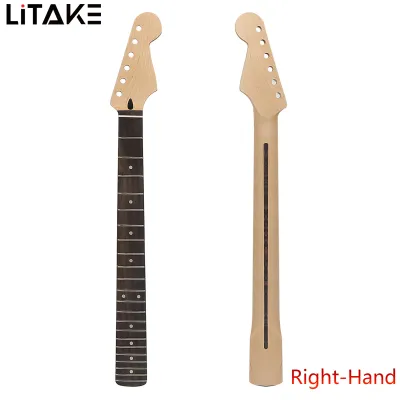
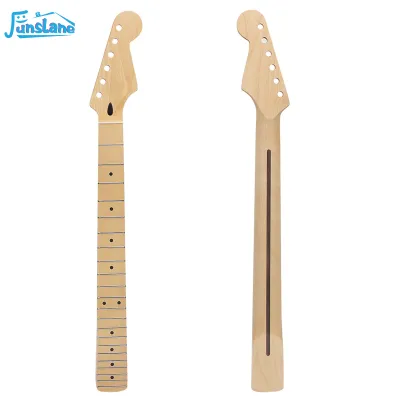
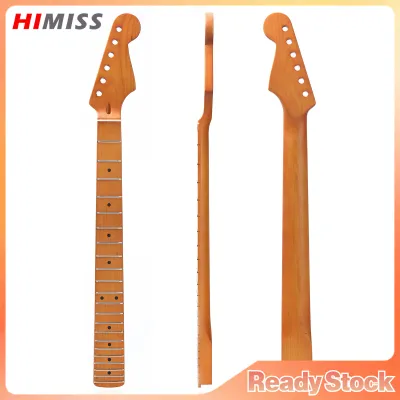
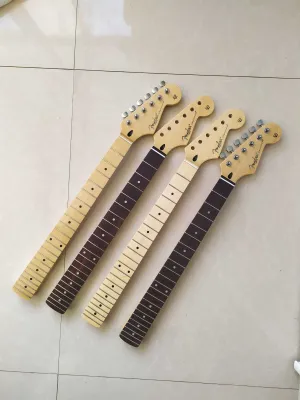
30 Lazada user ratings
the neck heel is a bit narrower than my guitar's neck pocket so yeah im debating whether to eyeball everything or just keep this neck just i…Read full reviewShow less
the neck heel is a bit narrower than my guitar's neck pocket so yeah im debating whether to eyeball everything or just keep this neck just in case i get to buy new strat style guitar. the neck feels really light for some reason, while the stock neck on my strat feels so heavy. idk what type of wood this store used for this neck but i guess the rosewood fretboard is legit? also frets are perfectly leveled, crowned, and polished. the fretboard could've used some lemon oil tho coz it looks so dry.
Beautifully designed, High-quality materials, Beautifully designed, High-quality materials, Perfect for beginners and professionals, Sturdy …Read full reviewShow less
Beautifully designed, High-quality materials, Beautifully designed, High-quality materials, Perfect for beginners and professionals, Sturdy construction, Great value for the price, Great craftsmanship,
received my order and i'm so pleased with it. The neck looks good I can't wait to place it on my guitar!
Great craftsmanship, High-quality materials, High-quality materials, Versatile color options,
It's alright to use. Overall assessment: it's okay to use.
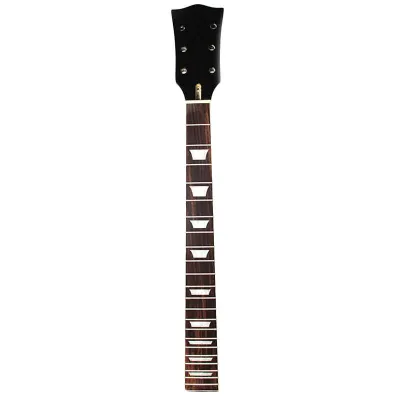
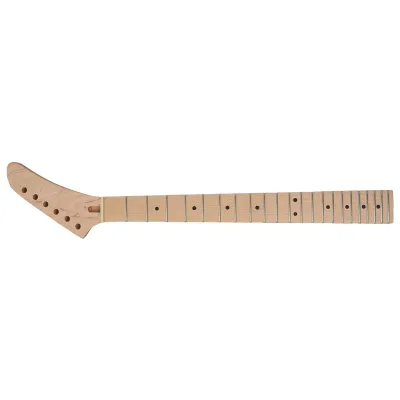
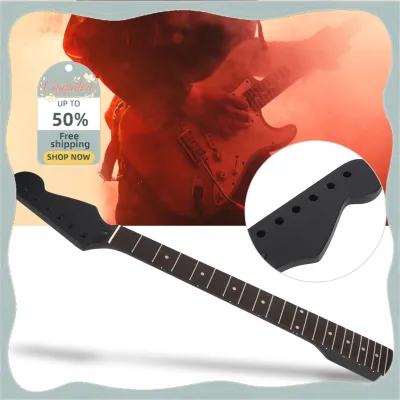
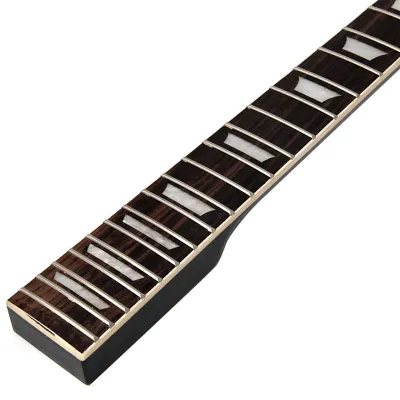
Prices are valid at publication and may change. Please refer to the product page for the latest price.
When evaluating a 24-fret guitar, pay close attention to the heel contour and joint construction. A bulky bolt-on plate can obstruct your palm, whereas a contoured heel, set-through, or neck-through joint offers a smoother transition. In highly humid climates like the Philippines, wood expansion can subtly affect neck joints, making a smooth, seamless heel contour even more critical for consistent physical comfort.
Scale Length: String Tension, Bending, and Fret Spacing
Scale length is the distance between the nut and the bridge saddle where the strings vibrate. This measurement directly dictates string tension and the physical distance between individual frets. A longer scale length, such as 25.5 inches, requires higher string tension to tune to pitch, resulting in a snappier attack and wider fret spacing in the lower register.

Conversely, a shorter scale length, like 24.75 inches, reduces overall string tension. This makes string bending and vibrato feel significantly looser and easier on your fingers. However, shorter scales require precise setup and truss rod adjustments to prevent fret buzz when setting a low string action, especially during seasonal humidity shifts that cause the wood to move.
Lead players must match scale length to their preferred tuning and string gauge. If you prefer down-tuning or heavy alternate picking, a longer scale length keeps the strings taut and articulate. If your style relies on wide, expressive bends in standard tuning, a shorter scale length or a lighter string gauge will provide a more forgiving feel.
Neck Profiles: Matching Thickness to Your Hand Size
The neck profile refers to the physical shape of the back of the neck, commonly categorized by letters like C, U, V, or modern thin D. Thinner, flatter profiles are highly popular for fast lead playing because they allow your thumb to glide effortlessly along the back of the neck. These profiles reduce the physical distance your fingers must travel to press down on the strings.
Thicker, rounder profiles support the natural arch of your hand, making them highly comfortable for rhythm playing and thumb-over chord grips. The shoulder of the neck—the transition area where the curved back meets the flat fretboard—also plays a massive role. High, steep shoulders can make a neck feel much wider and chunkier than its actual depth measurement suggests.
Because hand sizes and finger lengths vary wildly, there is no universal standard for comfort. It is essential to check manufacturer profile descriptions and, when possible, physically grip the neck. A profile that causes your hand to cramp during a long practice session will ultimately hinder your technical progress.
Fretboard Radius: Balancing Rhythm Comfort and Lead Bending
Fretboard radius measures the curvature of the fretboard surface from edge to edge. A smaller radius, such as 7.25 or 9.5 inches, indicates a more curved surface. This curvature conforms naturally to the natural arch of your hand, making barre chords and rhythm playing incredibly comfortable near the nut.
However, a highly curved fretboard can limit your lead playing. When you execute wide string bends on a curved surface, the string can press against the higher center of the frets and choke out, cutting the note short. A flatter radius, such as 12 to 16 inches, prevents this issue, allowing you to set a lower string action for effortless, clean bends.
To balance these competing needs, many modern 24-fret guitars feature a compound radius. This design starts with a rounder curve near the nut for comfortable chording and gradually flattens out as you move up toward the 24th fret. This hybrid approach ensures that your rhythm playing remains comfortable while your high-register lead work remains unrestricted.
How to Evaluate Neck Specs for Your Playing Style
Finding the right 24-fret neck requires a systematic approach to matching specifications with your physical technique. Before making a purchase, use this practical framework to guide your decision:
First, analyze your primary playing style. If your technique relies on fast alternate picking and sweeping, prioritize a thin neck profile and a flat radius of 14 inches or more. If your style is built on expressive blues bends, look for a compound radius to ensure notes do not choke out during wide bends.
Second, verify the exact manufacturer specifications. Do not rely solely on generic model names or brand reputation, as neck dimensions can vary significantly even within the same product line. Look for detailed measurements of the nut width, neck depth at the 1st and 12th frets, and the specific fretboard radius.
Third, factor in local maintenance and climate. In tropical environments like the Philippines, high humidity can cause wood to swell, affecting neck relief and action. Ensure the guitar features a highly responsive truss rod, and consider stable fretboard materials like ebony or maple that hold up well under environmental changes.
Finally, prioritize physical testing whenever possible. While paper specifications provide an excellent starting point, they cannot replicate the tactile feel of the neck in your hand. Spending time playing the instrument will confirm whether the profile, radius, and scale length truly align with your physical anatomy.
Frequently Asked Questions (FAQ)
Does a 24-fret neck change the guitar's overall scale length?
No, fret count and scale length are entirely independent specifications. Scale length is the distance between the nut and the bridge saddle where the string vibrates. Adding more frets simply extends the fretboard further down toward the bridge and shifts the neck joint, but it does not alter the vibrating length of the strings.
Can I change the neck profile or radius on an existing guitar?
The physical neck profile and fretboard radius are permanently shaped into the wood and cannot be easily altered without extensive, costly luthier work. However, you can adjust the perceived playability by upgrading to taller frets, adjusting the string action, or having a professional set up the nut and bridge to better suit your hand.
Community discussion
Share your experience or ask a question. Comments are reviewed before publication.