
Quick Answer: Which Subscription Should You Choose?
Choosing between a subscription to Time Magazine and a dedicated entertainment publication depends entirely on how you prefer to consume pop culture. If you seek deep-dive cultural analysis, long-form profiles, and an understanding of how entertainment shapes global society, Time Magazine is the ideal choice. Conversely, if your primary goal is to stay updated on daily celebrity news, red carpet fashion, and rapid industry updates, a dedicated entertainment magazine will better serve your habits.
Ultimately, Time Magazine treats pop culture as a lens through which to view the world, while dedicated entertainment publications treat the entertainment world as the main event. Your decision should align with whether you want broad societal context or focused, high-frequency industry coverage.
The Core Difference: Cultural Analysis vs. Celebrity Tracking
To make an informed decision, it is essential to understand how these publications define and approach the concept of entertainment. Time Magazine does not treat pop culture as an isolated bubble of leisure. Instead, its editorial lens views entertainment as a mirror reflecting broader societal, political, and technological shifts. When an actor, musician, or filmmaker appears on the cover of Time, the accompanying profile typically explores their cultural legacy, their industry influence, and their impact on global conversations. This macro-level approach means you will find thoughtful essays on the evolution of streaming platforms, the societal implications of viral trends, and deep-dive reviews that place art within its historical context.
Products mentioned in this guide

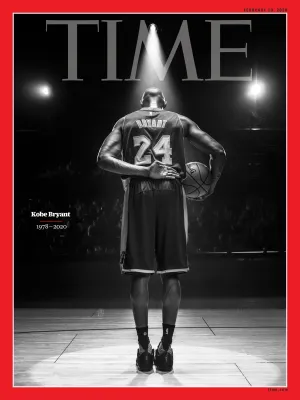


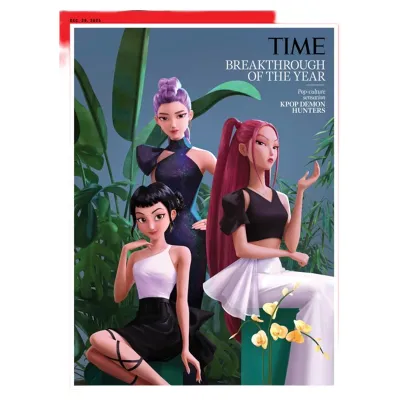

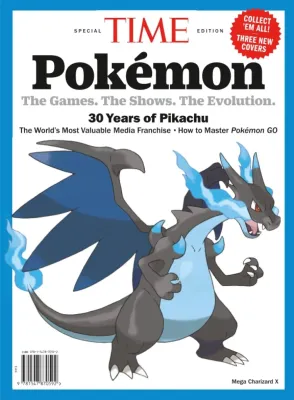

Prices are valid at publication and may change. Please refer to the product page for the latest price.

Dedicated entertainment publications, on the other hand, operate on a different editorial frequency. Their primary mission is to keep readers connected to the immediate pulse of Hollywood and the global entertainment industry. Rather than analyzing the sociological impact of a celebrity’s career over a decade, these outlets focus on the immediate present. You will find real-time updates on movie casting, exclusive behind-the-scenes looks at upcoming television shows, and detailed coverage of major industry events like award shows and film festivals. The tone is often more conversational, vibrant, and immediate, designed to satisfy a reader’s desire for quick, engaging, and highly visual updates.
This fundamental difference in editorial philosophy shapes everything from the layout of the pages to the writing style. Time Magazine utilizes a structured, analytical tone that appeals to readers who enjoy slow journalism and intellectual stimulation. Dedicated entertainment magazines prioritize high-impact photography, exclusive interviews, and bite-sized news segments that can be easily consumed during a quick break or a daily commute. Understanding this distinction helps you align your subscription with your cognitive energy and reading preferences.
Key Comparison Dimensions for Pop Culture Readers
When evaluating these two media paths, looking at specific operational dimensions can clarify which subscription model fits your lifestyle.
Depth vs. Frequency
The rhythm of publication dictates how you consume information. Time Magazine operates on a slower, more deliberate cycle, offering weekly or bi-weekly compilations of highly curated content. This format is designed for readers who prefer to step back from the daily noise and digest comprehensive, well-researched essays over the weekend. Dedicated entertainment publications often feature a dual-model approach: high-frequency daily digital updates paired with monthly print or digital issues. If you feel anxious when you are not up-to-date on the latest casting rumors or viral celebrity moments, the rapid-fire delivery of a dedicated entertainment outlet is indispensable.
Celebrity Access and Interview Style
Both types of publications feature interviews with major stars, but the execution differs significantly. Time Magazine’s interviews are typically career-focused, legacy-defining conversations. They often touch on the subject’s philanthropic efforts, business ventures, or artistic philosophy, treating the celebrity as a significant cultural figure. Dedicated entertainment magazines offer a more intimate, lifestyle-oriented look. These features frequently include home tours, personal style breakdowns, relationship updates, and lighthearted Q&As that reveal the celebrity’s daily habits and personal tastes.
Scope of Coverage
The breadth of content is another critical factor. Time Magazine is a general interest news publication, meaning your entertainment content will sit alongside sections dedicated to global politics, scientific breakthroughs, economic trends, and technological innovations. This is highly beneficial if you enjoy a well-rounded reading experience but may feel like a distraction if you only want pop culture. Dedicated entertainment magazines maintain a strict, uninterrupted focus on the creative industries. Every page is committed to movies, television, music, theater, and the personalities who make them, offering an immersive escape into the world of show business.
| Dimension | Time Magazine | Dedicated Entertainment Magazines |
|---|---|---|
| Editorial Focus | Societal impact, cultural trends, and macro-level analysis | Celebrity news, lifestyle exclusives, and industry updates |
| Update Frequency | Weekly or bi-weekly cycles with deep-dive features | High-frequency daily digital updates and monthly print issues |
| Interview Style | Career-focused, legacy profiling, and philosophical Q&As | Behind-the-scenes access, personal life updates, and red carpet Q&As |
| Primary Content | Essays, reviews, cultural milestones, and global perspectives | Casting news, fashion breakdowns, gossip, and pop culture trivia |
Decision Framework: Matching Your Reading Habits
To translate these differences into a concrete choice, consider how your daily routine and reading habits align with each publication type.
Choose Time Magazine if:
- You prefer thoughtful cultural critique: You want to understand the "why" behind major trends and how media influences public perception.
- You appreciate long-form journalism: You enjoy taking the time to read deeply researched, verified, and contextualized articles.
- You want a single, well-rounded subscription: You prefer a publication that covers global news, science, and technology alongside arts and culture.
- You look forward to landmark annual features: You value curated cultural milestones, such as the annual Time 100 list of influential people.
Choose Dedicated Entertainment Publications if:
- You want daily celebrity updates: You enjoy staying informed about red carpet fashion, social media trends, and celebrity lifestyles.
- You enjoy highly visual layouts: You prefer extensive photo galleries, style guides, and behind-the-scenes imagery over text-heavy essays.
- You actively follow specific entertainment niches: You look for detailed television episode recaps, movie casting announcements, and music reviews.
- You prefer a lighter reading experience: You want an entertaining escape from heavy global news and political analysis.
Consider a Hybrid Approach if:
If you find yourself torn between these two options, a hybrid strategy can offer the best of both worlds without straining your budget. You might choose to invest in a premium digital subscription to Time Magazine to secure high-quality, long-form cultural analysis and global news. To satisfy your daily craving for celebrity updates and pop culture trivia, you can supplement this with free digital content, newsletters, or social media feeds from dedicated entertainment outlets. This allows you to enjoy deep, reflective reading when you have the time, while remaining connected to the fast-paced world of entertainment on a daily basis.
Verifying Subscription Options and Accessibility
Before finalizing any subscription, it is crucial to verify how you will access the content, especially when reading from the Philippines. Digital publishing landscapes are highly dynamic, and regional availability can vary based on licensing agreements and platform compatibility.
Start by visiting the official publisher websites or authorized digital newsstands to review the current subscription tiers. Many publishers offer flexible options, including digital-only access, print-only delivery, or bundled packages that combine both formats. If you prefer the tactile experience of print, verify whether international shipping is available to your specific location in the Philippines, as well as any associated delivery times and customs fees that might apply.
For digital readers, compatibility is key. Ensure that the publication’s official app is available in your local app store (whether you use iOS or Android) and that it runs smoothly on your preferred reading device, such as a tablet or e-reader. Some digital subscriptions also include access to extensive archives, which can be incredibly valuable if you enjoy researching past cultural events or reading legacy interviews.
Finally, keep in mind that exact pricing, promotional discounts, and trial periods are subject to frequent changes. To avoid unexpected charges, always check the official checkout pages for the most current rates in Philippine Pesos (₱) or equivalent billing terms. Paying close attention to auto-renewal policies and cancellation procedures will ensure a smooth, hassle-free reading experience.
Frequently Asked Questions (FAQ)
Does Time Magazine have a dedicated entertainment section?
Yes. Although Time Magazine is primarily known for its global news and political coverage, it features a robust arts and culture section. This dedicated space includes regular film, television, and book reviews, cultural essays, and profiles of prominent artists. Additionally, its annual cultural franchises, such as the Time 100 and Person of the Year, heavily feature influential figures from the entertainment world.
Can I read entertainment magazines digitally on my tablet?
Yes, most major entertainment publications offer digital editions optimized for tablet viewing. These digital versions often feature interactive layouts, high-resolution photo galleries, and exclusive video content. However, before purchasing a subscription, you should verify the specific device compatibility, offline reading capabilities, and digital formatting options on the publisher’s official platform to ensure a seamless reading experience.

Community discussion
Share your experience or ask a question. Comments are reviewed before publication.