
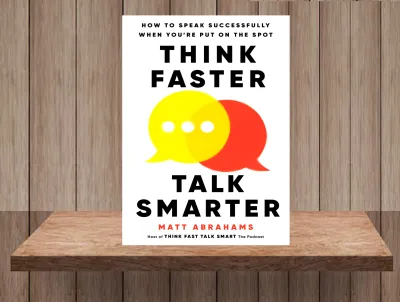
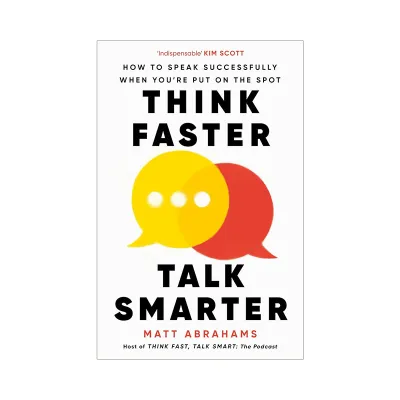
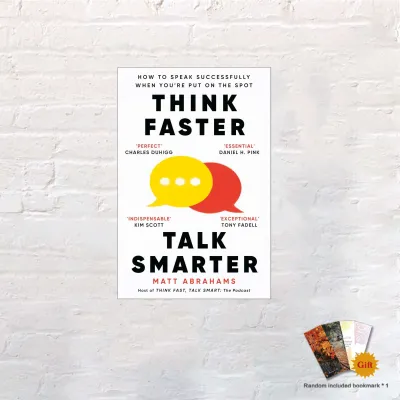
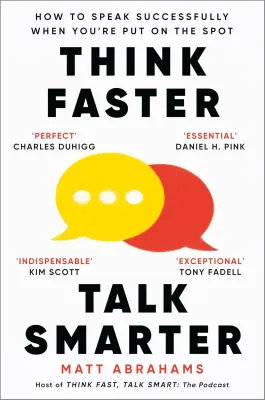
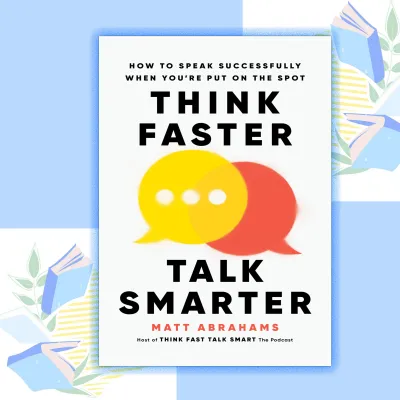
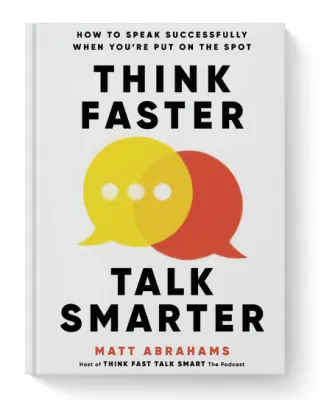
Finding the right communication book is a matter of matching your specific daily speaking challenges with an author’s core methodology. If you frequently freeze during sudden Q&A sessions, struggle to answer unexpected questions from managers, or feel anxious during impromptu client calls, the Think Faster, Talk Smarter book by Matt Abrahams offers a highly specialized toolkit for spontaneous speaking. Unlike traditional communication guides that focus on polished, pre-planned presentations or high-stakes negotiations, this book provides actionable frameworks to help you think on your feet and deliver clear, structured responses without preparation.
Choosing the wrong resource can lead to frustration, especially if you spend hours reading about slide design when your actual struggle is handling unexpected questions during a live meeting. By understanding the distinct focus of each communication guide, you can invest your time and resources in a book that directly addresses your professional pain points and helps you advance your career.
Understanding the Core Focus: Spontaneous Speaking vs. General Communication
To choose the right book, you must first distinguish between spontaneous and planned communication. Spontaneous speaking occurs when you are put on the spot without a script, such as during a sudden project update, a casual networking event, or a challenging Q&A session. Think Faster, Talk Smarter is specifically designed for these unscripted moments, focusing on managing the anxiety of speaking on the spot, reframing challenges as opportunities, and using structured templates to organize your thoughts in real time.
Products mentioned in this guide
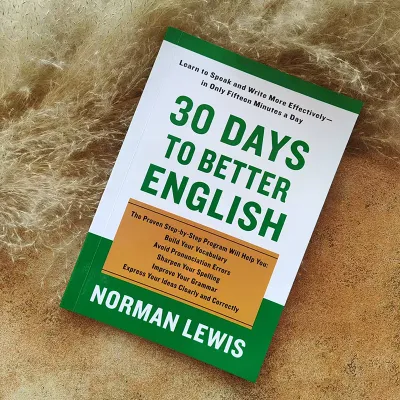
Prices are valid at publication and may change. Please refer to the product page for the latest price.
In contrast, general communication books often target planned interactions. These resources typically focus on areas such as negotiation tactics, formal presentation design, or managing difficult conversations. For example, a book on negotiation will teach you how to prepare for a salary discussion or a contract signing over several weeks, while a book on presentation design will guide you through structuring a slide deck and rehearsing your delivery for a major conference.
To determine where your primary struggle lies, audit your daily professional scenarios. If you work in a fast-paced environment—such as a bustling business process outsourcing hub, a creative agency, or a corporate office where spontaneous updates are common—your primary challenge is likely spontaneous speaking. If your role requires formal client pitches, annual performance reviews, or structured contract negotiations, a book dedicated to planned communication or negotiation tactics may serve you better.
Key Dimensions to Compare Before You Buy
When evaluating any communication guide, the author’s professional background is a critical dimension to consider. Matt Abrahams, for instance, is a Stanford University lecturer and communications coach, which shapes his book’s evidence-based yet highly practical approach. When comparing books, check if the author is an academic researcher, a corporate consultant, or a public relations executive, as this background heavily influences whether the content will be theoretical, anecdotal, or highly tactical.

Another essential dimension is the book’s structure and usability. Open the table of contents or preview the index online to check for actionable frameworks rather than endless anecdotes. A practical communication book should offer clear, step-by-step models—such as the “What, So What, Now What” structure—that you can easily write down on a sticky note or keep on your desktop for quick reference. If a book consists mostly of personal memoirs or vague advice like “be confident,” it may not provide the practical tools you need to improve your daily speaking habits.
Finally, verify the available formats and their compatibility with your reading habits. Communication books are widely available in hardcover, paperback, e-book, and audiobook formats. If you prefer digital reading, verify the file format and device compatibility, as some e-books have regional restrictions that prevent them from syncing on certain e-readers in the Philippines. For audiobooks, ensure the platform you use allows access to supplementary materials, as many communication books include PDF worksheets or visual diagrams that are essential for understanding the frameworks.
Decision Framework: Matching Books to Your Professional Goals
Your choice of communication book should align directly with your immediate career goals and daily speaking environments. Choose Think Faster, Talk Smarter if your main struggle involves unscripted moments, such as sudden Q&A sessions, impromptu toasts, or responding to unexpected questions in meetings. The book’s focus on structured spontaneity is designed specifically to reduce the anxiety of being put on the spot, making it ideal for professionals who need to think quickly under pressure.
Choose alternative books if your primary goals involve high-stakes salary negotiations, designing visual slide presentations, or resolving deep-seated team conflicts. For instance, if you are preparing for a critical contract negotiation, look for books written by professional negotiators that focus on tactical empathy and bargaining strategies. If your job involves designing complex visual slide decks for executive boardrooms, prioritize books that specialize in presentation design and visual storytelling.
Before making a final purchase, verify that the book’s case studies and examples align with your professional level and cultural context. Many communication books are written from a Western corporate perspective. While the core psychological principles are universal, consider how these strategies translate to the collaborative, relationship-oriented business culture in the Philippines. Look for frameworks that allow you to maintain professional politeness and respect while still communicating clearly and assertively.
Format, Edition, and Purchasing Considerations in the Philippines
When purchasing physical books in the Philippines, it is crucial to verify the authenticity of the copy. Authorized online bookstores, official brand stores, and established local physical retailers are the safest options. Be cautious of unusually low-priced copies on online marketplaces, as these are often unauthorized reprints. These pirated copies frequently suffer from poor print quality, missing pages, and low-grade paper that quickly degrades or warps in high-humidity tropical climates.
Compare physical and digital formats based on your study habits. Physical books allow for easy highlighting, margin notes, and quick flipping between chapters when practicing frameworks. Digital formats, such as e-books, offer search features that let you instantly find specific terms or models during a busy workday. If you choose a digital or audio version, ensure your device is compatible and that the purchase is made through an authorized distributor to avoid regional licensing issues.
Always verify the publication date and edition number before finalizing your purchase. Authors frequently update their books to include new research, modern workplace scenarios (such as virtual or hybrid meeting dynamics), and refined frameworks. Check the copyright page or the product details on the retailer’s site to ensure you are getting the latest edition. Compare prices in ₱ across multiple legitimate platforms to find the best value, keeping in mind that importing physical editions may incur additional shipping times and fees.
Frequently Asked Questions (FAQ)
Is the audiobook format effective for learning speaking frameworks?
Yes, the audiobook format can be highly effective for communication books because it allows you to hear the author’s vocal tone, pacing, and emphasis. Hearing these elements modeled directly can help you understand how to apply the speaking frameworks in real life. However, a major drawback is the difficulty of referencing visual diagrams, worksheets, or quick-reference tables while listening. To overcome this, verify if the audiobook edition includes a supplementary PDF download containing the visual frameworks, or consider pairing the audiobook with a digital or physical copy for easy reference.
How do I verify if a book is the latest edition before purchasing?
To ensure you are buying the most up-to-date version, check the copyright page or the detailed product description for the publication year and edition number. Do not rely solely on the cover art, as publishers often update the cover design for marketing purposes without changing the underlying text, or conversely, they may keep the same cover art for a newly revised edition. You can also compare the table of contents listed on the retailer’s site with the chapter list on the author’s official website or recent book launch interviews to confirm if any new chapters or frameworks have been added.

Community discussion
Share your experience or ask a question. Comments are reviewed before publication.