
Choosing between The One Minute Manager and Rich Dad Poor Dad is not about finding the objectively “better” book, but rather identifying which one solves your most pressing problem right now. If your immediate goal is to navigate workplace dynamics, lead a team, or improve professional communication, The One Minute Manager is the practical starting point. If you are focused on escaping the paycheck-to-paycheck cycle, understanding investments, and building long-term wealth, Rich Dad Poor Dad provides the necessary foundational mindset. Both are staples for young professionals in the Philippines, but they serve entirely different phases of personal and career development.
For a young professional starting a career in major urban hubs, time is a precious resource. Balancing a demanding job, long commutes, and personal responsibilities leaves little room for aimless reading. Therefore, selecting your first business book should be a strategic decision. By aligning your reading choice with your current professional hurdles, you can immediately apply these concepts to your daily life, whether that means negotiating a salary increase or starting your first investment fund.
Identify Your Core Goal: Leadership vs. Financial Literacy
To make an informed decision, you must first diagnose your current professional pain points. The One Minute Manager focuses heavily on workplace leadership, team management, effective feedback, and peer collaboration. It is designed to help you navigate the interpersonal dynamics of a corporate environment. If you find yourself struggling to communicate expectations to colleagues, or if you have recently transitioned into a supervisory role, this book offers a direct blueprint for managing people without causing friction.
Products mentioned in this guide
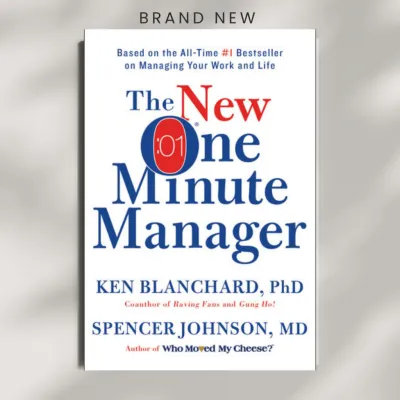

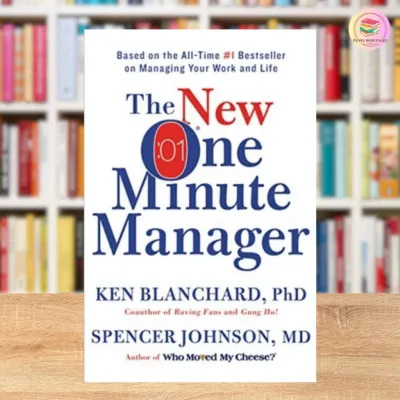
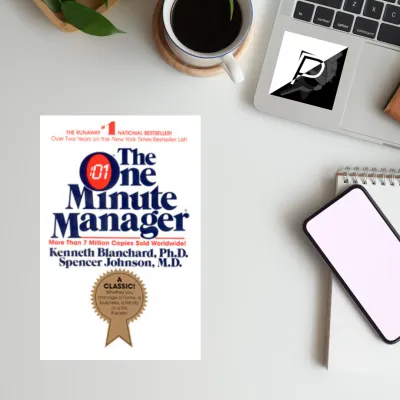
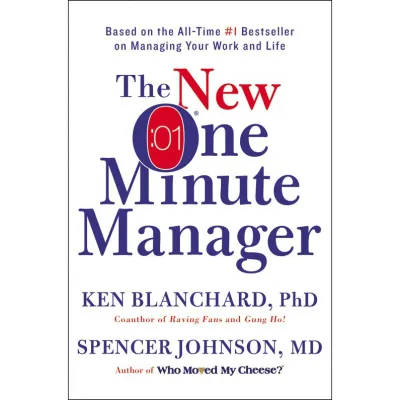
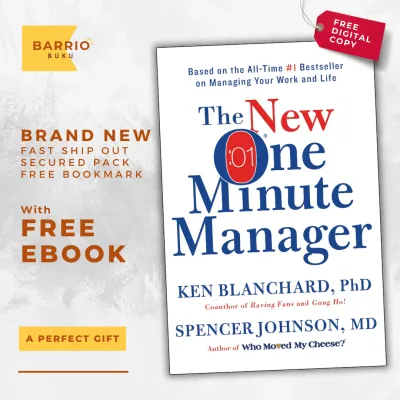
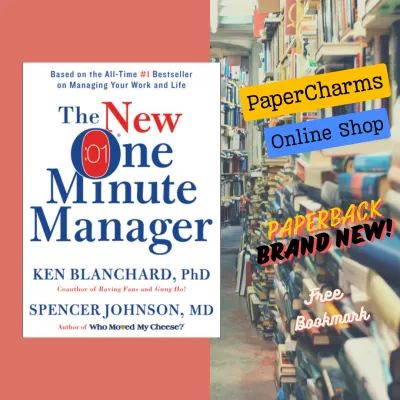
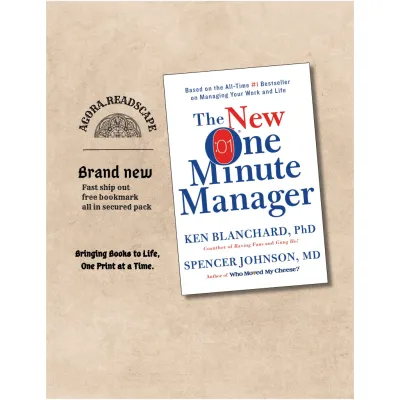
Prices are valid at publication and may change. Please refer to the product page for the latest price.
On the other hand, Rich Dad Poor Dad shifts the spotlight entirely toward personal finance, asset building, and financial mindset. It challenges traditional assumptions about employment, urging readers to escape what the author terms the “rat race.” Instead of focusing on how to climb the corporate ladder, this book encourages you to think like an investor and business owner. It addresses the common cycle of earning a salary, increasing spending, and falling into debt, offering a conceptual framework to break free from financial dependency.
Your ideal reader profile determines which path to take first. A newly promoted team leader, a project coordinator, or anyone working closely within a corporate hierarchy will find immediate utility in the leadership principles of the one minute manager book. Conversely, a young earner who wants to understand how to budget, save, and eventually invest their hard-earned income will benefit more from the financial philosophy of Robert Kiyosaki’s work.
Key Concepts and Practical Takeaways
The One Minute Manager relies on a simple, three-part framework designed to maximize efficiency and clarity in management. The first concept is “one-minute goals,” which encourages managers and team members to write down their targets on a single page that can be read in under a minute. This ensures absolute alignment on expectations from the very beginning of a project.

The second and third concepts are “one-minute praises” and “one-minute reprimands” (referred to as “redirects” in modern editions). These techniques emphasize the importance of immediate, specific feedback. By praising good work instantly, you reinforce positive behavior; by addressing mistakes immediately and constructively, you correct course without damaging the working relationship. In a local corporate culture where pakikisama (harmony) and smooth interpersonal relations are highly valued, these structured communication tools help young leaders deliver feedback professionally and constructively.
In contrast, Rich Dad Poor Dad introduces foundational financial lessons that challenge conventional wisdom. The most critical concept is the strict distinction between an asset and a liability. The book defines an asset as anything that puts money into your pocket, while a liability is anything that takes money out of your pocket. This simple definition prompts readers to re-evaluate major purchases, such as vehicles or real estate, through a cash-flow lens.
Additionally, the book explains the mechanics of the “rat race,” where individuals work harder to pay for rising expenses, keeping them trapped in a cycle of financial survival. It advocates for making money work for you through investments in stocks, real estate, or small businesses, rather than relying solely on active employment income. For young professionals managing their first paychecks—whether starting at ₱20,000 or navigating salary increases—this mindset shift is crucial for long-term financial planning.
Reading Experience and Time Commitment
The structural differences between these two books significantly impact how quickly you can absorb and apply their lessons. The One Minute Manager is written as a concise business fable. It follows a young man’s journey to find an effective manager, making the narrative highly engaging and easy to digest. Because of its brief length and straightforward language, most readers can complete the book in a single sitting or during a few short commutes.
Rich Dad Poor Dad is a longer, more comprehensive text that blends personal memoir with financial philosophy. The author uses the contrasting stories of his highly educated but financially struggling father (poor dad) and his friend’s entrepreneurial father (rich dad) to illustrate his points. This narrative style requires a higher level of focus and reflection, as you must separate the author’s personal anecdotes from the broader financial principles he advocates.
When selecting either book, it is highly recommended to look for updated or anniversary editions. Publishers frequently release revised versions that feature updated forewords, modern contextual notes, or minor edits to make the terminology more relevant to today’s digital economy. Checking the publication details ensures you are reading the most refined version of these classic texts.
How to Choose Based on Your Current Career Stage
To help you make a final decision, consider this conditional framework based on your current career stage and immediate priorities.
Choose The One Minute Manager if you are currently aiming for a promotion, leading a project team, or trying to improve your daily communication with colleagues. If your primary source of stress comes from workplace miscommunications, unclear expectations, or team friction, the practical management tools in this book will provide immediate relief. It is the ideal choice for those who need to optimize their active income by performing exceptionally well in their current corporate roles.
Choose Rich Dad Poor Dad if you are focused on shifting your financial mindset, learning how to budget your salary, or planning your entry into the world of investing. If you feel that you are earning a decent income but have no idea where your money goes at the end of the month, this book will help you re-evaluate your spending habits. It is best suited for those who want to build a foundation for early financial independence and wealth creation.
If you plan to read both, a logical sequence is to start with The One Minute Manager to boost your professional value, increase your active earning potential, and secure promotions. Once you have stabilized and increased your cash flow, transition to Rich Dad Poor Dad to learn how to manage, protect, and grow that income. This progressive approach ensures you have both the active earning power and the financial literacy required to build lasting security.
Formats and Where to Buy Authentic Copies
Both books are widely available in various formats, allowing you to choose the medium that best fits your lifestyle. Physical paperbacks are excellent for active reading, allowing you to highlight key passages and write notes in the margins. If you spend significant time commuting on public transport, such as the MRT or UV Express, e-books offer a lightweight alternative that fits easily on your smartphone or e-reader. Audiobooks are another highly convenient option, turning long hours stuck in traffic into productive learning sessions.
When purchasing these books, it is crucial to ensure you are buying authentic copies. Unauthorized, poorly printed bootlegs are common on online marketplaces and street stalls, often containing missing pages, illegible text, and formatting errors. To avoid these issues, purchase your copies from established local physical bookshops, reputable online bookstores, or official publisher storefronts on major ecommerce platforms.
Before finalizing your purchase, always verify the specific edition, language, and device compatibility. This is especially important for digital and audio formats, where regional restrictions or file formats might affect your ability to access the content on your preferred device.
Frequently Asked Questions (FAQ)
Is it better to read Rich Dad Poor Dad before The One Minute Manager?
There is no mandatory reading sequence, as the two books address entirely different aspects of professional life. However, starting with the book that solves your most immediate bottleneck is usually the most effective strategy. If you need to improve your workplace performance and communication to earn more, start with the one minute manager book. If you already have a stable income but struggle with saving and investing, start with the financial principles of the other.
Are these books still relevant for young professionals today?
Yes, both books remain highly relevant because they focus on foundational mindsets and timeless communication principles rather than temporary trends. While some specific historical examples or financial vehicles mentioned in older editions may feel dated, the core concepts—such as setting clear goals, giving immediate feedback, and distinguishing assets from liabilities—remain universally applicable. Readers should adapt these principles to modern digital workplaces and current local investment regulations.
Community discussion
Share your experience or ask a question. Comments are reviewed before publication.