
Quick Answer: What Defines the Ifugao Gong?
The Ifugao gong, traditionally known as the gangsa, is a flat-surfaced, bossless metal instrument native to the Cordillera region of northern Luzon in the Philippines. Unlike the deep-rimmed, knobbed gongs found in the southern parts of the country, the Ifugao gong is distinguished by its completely flat striking face, narrow rim, and hand-forged construction. It is primarily crafted from copper-based alloys, such as bronze or brass, which are meticulously hammered into shape by local artisans.
The uniqueness of the Ifugao gong lies in both its metallurgical composition and its distinct acoustic role. Rather than playing a structured melody, these gongs are played in interlocking rhythmic ensembles during vital community rituals, agricultural celebrations, and prestige feasts. The hand-forged metal produces a sharp, penetrating tone with a complex wash of overtones that can carry across steep mountain valleys. Understanding the specific materials and craftsmanship behind the gangsa reveals how physical form and local metallurgy combine to create one of the most resilient and culturally significant instruments in the Philippines.
Material Composition: Bronze, Brass, and Acoustic Impact
The acoustic character, weight, and longevity of an Ifugao gong are directly dictated by its metallurgy. Traditional gong-makers in the Cordillera highlands have historically relied on copper alloys, with bronze and brass being the two primary materials. Because these instruments are handcrafted by local smiths, there is no single “correct” or standardized alloy formula. Instead, the material composition of each gong reflects the historical era in which it was made, the availability of metals, and the specific choices of the artisan.
Products mentioned in this guide
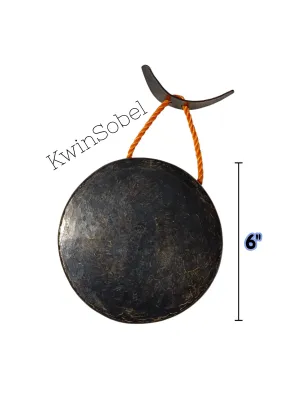


Prices are valid at publication and may change. Please refer to the product page for the latest price.

Bronze, an alloy of copper and tin, is highly prized by collectors and musicians for its superior acoustic properties. When struck, a high-quality bronze gong produces a deep, warm, and highly resonant tone. The presence of tin gives the metal a degree of elasticity that allows sound waves to propagate smoothly, resulting in a long, sustained ring with a rich tapestry of complex overtones. Historically, bronze gongs were often cast from melted-down antique items, trade goods, or specialized ingots, making them highly valuable family heirlooms passed down through generations.
Brass, which alloys copper with zinc, is another common material used in both historical and contemporary gong making. Brass gongs tend to produce a brighter, sharper attack with a more immediate, piercing sound. However, they generally have a shorter decay compared to bronze, meaning the sound dies down more quickly. In many twentieth-century and modern pieces, smiths have also utilized scrap metals, brass pipes, shell casings, or melted-down coins due to the scarcity of pure tin. These variations in scrap metal introduce trace elements of lead, iron, or aluminum, giving each individual gong a highly localized and unique sonic signature.
To identify the material of a traditional gong without damaging the instrument, you can rely on several stable, observable physical characteristics:
- Natural Patina: Over decades of handling and exposure to the humid Philippine climate, bronze develops a deep, dark brown or greenish-brown patina. Brass, on the other hand, tends to oxidize into a dull, mustard-yellow or brownish-yellow hue.
- Relative Weight: Copper alloys are dense and heavy. A genuine bronze or brass gong will feel remarkably heavy in your hands compared to a modern steel or iron replica of the same size.
- Magnetic Properties: Pure bronze and brass are entirely non-magnetic. If you gently apply a small household magnet to the surface of the gong and it sticks, the instrument contains a significant amount of iron or steel. This indicates it is likely a modern, mass-produced piece rather than a traditionally forged copper-alloy instrument.
While these visual and physical checks provide excellent practical guidance, absolute certainty regarding the exact chemical percentages of the alloy can only be achieved through professional metallurgical testing, such as X-ray fluorescence analysis.
Craftsmanship and Physical Anatomy
The creation of an authentic Ifugao gong is a demanding physical process that relies on centuries-old metalworking techniques. Traditional Cordillera blacksmiths do not use modern industrial molds or stamping machines. Instead, they employ hot-forging, a method where raw metal ingots or thick plates are heated in a charcoal forge until they glow red-hot.
Once the metal reaches the correct temperature, a team of smiths works in rapid, rhythmic succession, using heavy sledgehammers to beat the metal flat against an anvil. This process requires multiple cycles of heating and hammering—a technique known as annealing—which relieves the internal stress of the metal and prevents it from cracking as it is thinned out. After the flat circular face is established, the smiths carefully hammer the edges downward at a sharp angle to form the shallow rim.
Tuning is the most critical and highly skilled phase of the construction process, executed entirely by ear. The master smith strikes the cold metal with a wooden mallet, listening closely to the pitch and the distribution of overtones. By making minute adjustments—hammering specific concentric rings on the underside of the face to thin the metal, or adjusting the tension where the face meets the rim—the artisan alters the internal physical stress of the gong. This delicate balancing act determines the fundamental pitch and ensures the instrument produces the desired harmonic shimmer rather than a flat, discordant clang.
The physical anatomy of an Ifugao gong consists of three primary components:
- The Face: The flat, circular front surface of the gong. Because it lacks a central boss, the entire face vibrates freely when struck, creating a wide spread of clashing overtones.
- The Rim: A shallow, perpendicular wall that typically measures between one and two inches in depth. The rim is vital for structural integrity, keeping the flat face from warping under the force of repeated strikes.
- The Suspension Holes: Two small holes are punched or drilled through the rim. A sturdy cord is threaded through these holes, which is then attached to a handle. Traditionally, these handles are made of carved wood or, in highly prestigious antique pieces, the jawbone of a sacrificed animal, symbolizing ancestral connection and social status.
Because these instruments are entirely handcrafted, slight physical asymmetries, varied wall thicknesses, and visible hammer marks on the surface are completely normal. Rather than being viewed as defects, these unique characteristics serve as vital indicators of authenticity, distinguishing a genuine hand-forged gangsa from smooth, uniform, machine-stamped replicas.
How to Distinguish It from Other Philippine Gongs
To appreciate the unique design of the Ifugao gong, it is helpful to contrast it with the traditional gongs of the southern Philippines, such as those used in the Maguindanao, Maranao, and Tausug cultures. The differences in physical structure directly dictate how these instruments are played and the acoustic roles they fulfill.
The most prominent southern gong is the agung. Unlike the flat-faced Ifugao gangsa, the agung features a very deep rim and a large, prominent central boss. The agung is designed to produce a deep, booming, bass-heavy sound with a highly focused fundamental pitch. It is typically suspended vertically from a wooden frame or held by one player while another strikes the central boss with a heavily padded mallet.
Another key comparison is the kulintang, which consists of a graduated set of small, bossed gongs laid horizontally in a row on a wooden rack. The kulintang is played as a melodic lead instrument, with the player striking the small central bosses with two lightweight wooden beaters to produce bright, bell-like, and rapid modal melodies.
In contrast, the Ifugao gangsa is completely flat and bossless. It is played in mobile ensembles where each performer carries a single gong. The playing style varies depending on the specific cultural context and the type of dance being performed:
- Pattung (or Palook): The player holds the gong by its handle in one hand and strikes the outer face with a solid wooden stick or beater while performing synchronized dance steps. This style requires a highly durable rim and face to withstand the high-impact strikes of the wooden stick.
- Toppaya: The player sits on the ground, resting the gong flat on their lap. They strike and slide their bare palms and fingers across the flat face to produce a damp, rhythmic, and highly textured sound. This technique relies on the flat, responsive surface of the bossless design to allow the player's hands to damp the vibrations instantly.
When looking to acquire a traditional gong for performance, educational, or collecting purposes, it is essential to verify the authorized source, the completeness of the instrument (including its suspension cord and handle), and its physical specifications. Avoid relying solely on online listings or cover photos, as decorative brass plates or mass-produced souvenir items are frequently mislabeled as authentic, performance-grade gangsa.
The table below outlines the key observable differences between these iconic Philippine instruments:
| Instrument Name | Central Boss | Rim Depth | Typical Striking Method | Primary Acoustic Role |
|---|---|---|---|---|
| Ifugao Gangsa | None (Flat Face) | Shallow (approx. 1 to 2 inches) | Struck with a wooden stick or slapped with bare hands | Rhythmic, interlocking patterns with complex, clashing overtones |
| Agung | Prominent (Large Boss) | Deep (approx. 8 to 12 inches) | Struck on the boss with a padded wooden mallet | Deep, booming bass notes that provide the rhythmic foundation |
| Kulintang | Small, pronounced boss | Medium (approx. 3 to 5 inches) | Struck on the boss with two lightweight wooden beaters | Melodic lead, playing intricate, fast-paced modal patterns |
Safe Care and Maintenance for Traditional Metal Gongs
Traditional metal gongs are highly durable, but they require proper care to preserve their acoustic qualities and physical integrity, especially in the hot, humid, and tropical climate of the Philippines. High humidity can accelerate oxidation, leading to destructive corrosion if the metal is not properly maintained.
For regular cleaning, always prioritize low-risk, reversible methods. After every use, wipe the surface of the gong with a clean, dry, soft microfiber cloth to remove sweat, finger oils, and dust. If the instrument has accumulated heavier soil or dirt, you can clean it using a mild, highly diluted dish soap and lukewarm water. Dampen a soft cloth with the soapy water, gently wipe the surface, and immediately dry the gong thoroughly with a separate dry towel.
To protect your instrument, keep these critical warnings in mind:
- Avoid Harsh Chemicals: Never use abrasive scouring pads, steel wool, or harsh chemical metal polishes. Acid-based cleaners, such as vinegar, lemon juice, or commercial tarnish removers, should also be avoided. These substances strip away the natural protective patina that has built up on the metal over time. Stripping this layer can alter the surface tension of the alloy, permanently degrading the warm, complex resonance of the gong.
- Check Manufacturer Instructions: If you are caring for a modern or newly manufactured gong, always check the maker's specific care instructions first. If instructions conflict or the metal composition is unidentified, consult a professional conservator.
- Proper Storage: Store the gong in a dry, well-ventilated area to prevent moisture from trapping on the metal surface. Avoid storing the instrument in sealed plastic bags or non-breathable synthetic cases, as these trap humidity and accelerate the formation of destructive green verdigris (copper carbonate). Instead, wrap the gong in a soft, breathable cotton or canvas cloth.
- Do Not Attempt DIY Repairs: If your gong develops a crack, becomes warped, or loses its pitch, do not attempt to heat, hammer, or solder the metal yourself. Traditional tuning and structural repair require specialized metallurgical and acoustic expertise. Improper heat application or force can permanently fracture the alloy, rendering the instrument unplayable. Always consult a master craftsman or a professional instrument restorer for repairs.
Frequently Asked Questions (FAQ)
How can I tell if a traditional gong is made of bronze or brass?
You can differentiate between the two alloys by examining their visual and physical properties. Bronze typically oxidizes into a deep, dark brown or greenish-brown patina over time, whereas brass tends to develop a lighter, dull mustard-yellow or brownish-yellow hue. Physically, bronze is denser and heavier than brass of the same thickness. Acoustically, bronze produces a warmer, highly resonant sound with a long, sustained ring, while brass delivers a brighter, sharper attack with a faster decay. For absolute certainty, professional metallurgical testing is required, but these observable traits offer reliable practical guidance.
Does the presence of a central boss change how the gong sounds?
Yes, the presence of a central boss fundamentally alters the acoustic behavior of the instrument. A central boss concentrates the mass of the gong at its center, which focuses the vibration to produce a clear, distinct fundamental pitch with very few high-frequency overtones. In contrast, a flat-faced gong like the Ifugao gangsa allows vibrations to spread evenly across the entire surface. This lack of a central node generates a wide spectrum of complex, clashing overtones, resulting in a sharper, more metallic, and diffuse sound that is ideal for rhythmic, interlocking ensemble playing.
Community discussion
Share your experience or ask a question. Comments are reviewed before publication.