
Choosing between the original English edition and the Tagalog translation of The Hunger Games depends entirely on your reading goals, language comfort, and what you value most in a dystopian narrative. If you prioritize the author’s exact stylistic choices, original world-building terminology, and language practice, the English edition is the ideal choice. Conversely, if you prefer a faster, more emotionally immediate reading experience in your native language, or are selecting a book for a younger reader still building English fluency, the Tagalog edition offers a highly accessible alternative.
Both editions present the same gripping story of survival, sacrifice, and rebellion in the nation of Panem. However, the linguistic vehicle you choose shapes how you perceive Katniss Everdeen’s internal struggles, the oppressive atmosphere of the Capitol, and the fast-paced action of the arena. By evaluating how each version handles tone, vocabulary, and local availability, you can make an informed purchase that ensures an engaging reading journey.
Core Differences Between the English and Tagalog Editions
To appreciate the differences between these two editions, it is essential to look at how the narrative voice is constructed. Suzanne Collins wrote the original novel in a stark, first-person, present-tense style. This choice creates a sense of immediate urgency, placing the reader directly inside Katniss’s hyper-vigilant mind. The English edition preserves this exact pacing, utilizing sharp, direct sentences that mirror a survivalist’s focus. Dystopian terms like “tributes,” “reaping,” “peacekeepers,” and “Mockingjay” are woven seamlessly into the prose, establishing a distinct, clinical atmosphere that reflects the Capitol’s control.
Products mentioned in this guide
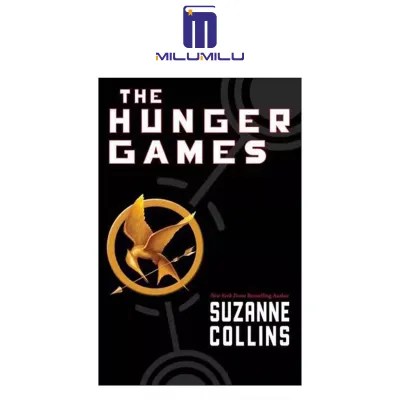
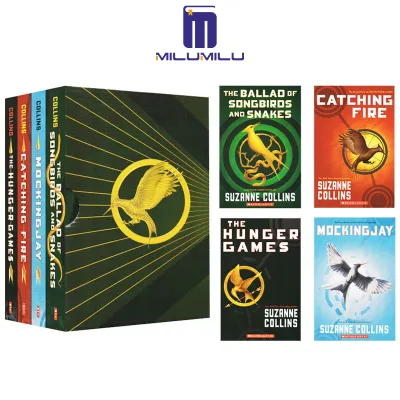
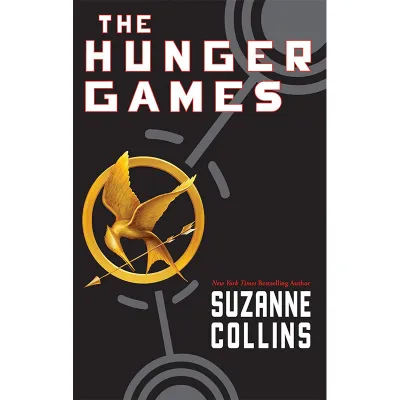
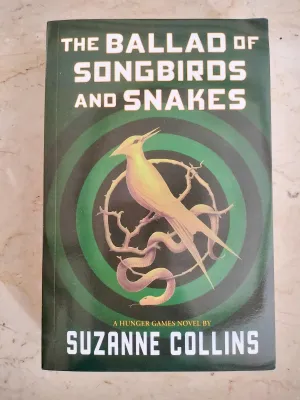
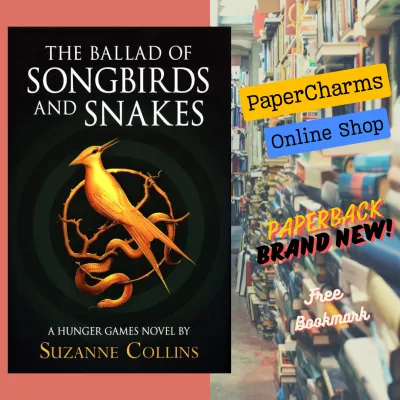
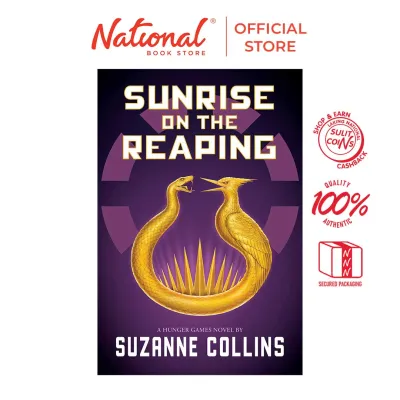
Prices are valid at publication and may change. Please refer to the product page for the latest price.
In contrast, the Tagalog translation must navigate these specialized terms while maintaining the emotional weight of the story. Translators often face the choice of localizing terms, transliterating them, or leaving specific jargon in English to preserve the sci-fi context. For instance, while some editions might retain terms like “District” or “Capitol” to keep the geographical framework clear, other dialogue and internal monologues are translated into natural Tagalog. This shift can alter the texture of Katniss’s voice, sometimes making her sound more intimate and relatable to local readers.
The cultural adaptation of idioms also plays a significant role in how the story feels. English idioms and figures of speech are often replaced with equivalent Tagalog expressions to ensure the narrative flows naturally without confusing the reader. While this keeps the reading speed high, it can slightly soften the specific cultural context of the Appalachian-inspired District 12. Conversely, the emotional resonance of Katniss’s love for her sister Prim and her quiet desperation in the arena can feel much more poignant and immediate when expressed in Tagalog, as the language carries deep, localized emotional nuances.
Reading Experience and Language Comfort
Evaluating your personal reading comfort is a practical step in deciding which book to purchase. Reading young adult dystopian fiction in English requires a solid grasp of descriptive vocabulary, action-oriented verbs, and political terminology. If you are highly fluent in English, the original text allows you to experience the story exactly as the author intended, without any intermediary interpretation. It also serves as an excellent tool for vocabulary expansion, making it a popular choice for students and language learners who want to challenge themselves with engaging, fast-paced material.

On the other hand, reading in your primary or most familiar language significantly reduces cognitive load. If you spend your day studying or working in English, picking up the Tagalog edition for leisure reading can offer a much-needed break. Without the need to mentally translate unfamiliar English words, you can immerse yourself fully in the plot. The action sequences in the arena, which require quick visualization, often feel more fluid and exciting when read in the language you use for daily communication.
For younger readers or those who find thick English novels intimidating, the Tagalog edition serves as a welcoming gateway to longer fiction. It helps build a love for reading by removing the barrier of language frustration. Instead of stopping to look up words or losing track of the plot during complex political explanations, readers can focus entirely on the suspense and character development. This makes the translation an excellent option for families looking to encourage reading habits at home.
Availability, Formats, and Pricing Considerations
When preparing to buy a copy of The Hunger Games, practical factors like bookstore stock, format preferences, and budget play a major role. English editions of the book are widely distributed globally and locally, meaning you can easily find them in various formats. Whether you prefer a lightweight paperback for commuting, a durable hardcover for your home library, or a movie tie-in edition featuring film artwork, the English version offers the widest selection. Box sets containing the entire trilogy are also highly accessible in English.
The Tagalog translation, while popular, may have more localized distribution. It is primarily found in major physical bookstores across the Philippines or through local publishers’ official storefronts on online marketplaces. Because print runs for translated editions can be more limited than international English prints, finding a specific format like a hardcover or a matching box set in Tagalog can be more challenging. Most translated versions are published as standard paperbacks, which are designed for easy handling and casual reading.
Pricing structures also differ noticeably between the two options. Imported English editions, especially hardcovers or special anniversary releases, are subject to international shipping and import costs, which can elevate their price. Generally, English paperbacks can range from ₱350 to ₱600, while special editions can go much higher. Locally printed Tagalog editions are typically more budget-friendly, often priced lower than imported versions. This makes the Tagalog edition a highly cost-effective choice for budget-conscious readers or educators purchasing multiple copies for a classroom.
Before finalizing your purchase, it is wise to verify the publisher details and the ISBN. This step ensures you are buying a complete, unabridged translation rather than a condensed adaptation. Checking the copyright page will also confirm that you are supporting an authorized translation that respects the intellectual property of the author and the original publisher.
How to Choose the Right Edition for You
To make your final decision, consider which reader profile matches your current needs and preferences. Your choice should align with how you plan to consume the book and what you want to get out of the experience.
Choose the English edition if:
- You want to experience Suzanne Collins' original prose, specific word choices, and exact stylistic pacing.
- You are looking to improve your English vocabulary and reading comprehension through high-interest fiction.
- You enjoy collecting international book covers, hardcover editions, or complete box sets to display on your bookshelf.
- You prefer reading e-books or listening to audiobooks, as these digital formats are widely available in the original English.
Choose the Tagalog edition if:
- You want a relaxed, comfortable reading experience with minimal cognitive effort after a long day.
- You feel a stronger emotional connection to stories when they are told in your native language.
- You are purchasing the book for a younger reader or someone who is still building confidence in their English reading skills.
- You are working with a specific budget and prefer a highly affordable, locally printed paperback.
Regardless of which edition you select, always verify the specific features of the copy you are buying. If you are looking for bonus content, such as author interviews, behind-the-scenes movie details, or exclusive illustrations, check the book’s table of contents or publisher description. These extra features are highly dependent on the specific print edition and may not always be included in translated versions. Taking a moment to inspect the physical book or read the online product description carefully will ensure you get the exact reading experience you desire.
Frequently Asked Questions (FAQ)
Is the Tagalog translation of The Hunger Games officially licensed and complete?
Yes, authorized Tagalog translations of The Hunger Games are officially licensed by the original publisher and are complete. To verify that you are purchasing a legitimate copy, check the book’s copyright page for licensing agreements, the official publisher’s imprint, and a registered ISBN. Authorized editions ensure that the translation has undergone a professional editing process, preserving the entire narrative without unauthorized cuts, summaries, or alterations to the plot.
Will I miss out on major plot points if I read the Tagalog version?
No, you will not miss any major plot points, character arcs, or essential world-building details by reading the Tagalog translation. Official translations are held to strict standards of narrative integrity, ensuring that Katniss’s journey from District 12 to the Capitol remains completely intact. However, you may notice minor differences in wordplay, specific idioms, or the exact tone of certain dialogues, as these elements are adapted to sound natural and grammatically correct in Tagalog.
Community discussion
Share your experience or ask a question. Comments are reviewed before publication.