
When you first pick up the guitar, the sheer volume of available gear can be overwhelming. Music stores and online marketplaces are filled with colorful gadgets, complex pedals, and specialized cleaning solutions that promise to fast-track your progress. However, the truth is that a beginner only needs a handful of functional tools to keep the instrument playable, in tune, and safe. Focusing on these essentials keeps your budget intact and allows you to dedicate your energy to what actually matters: building finger strength, learning chords, and developing consistent practice habits.
Assess Your Practice Environment and Goals
Before buying any accessories, evaluate where you plan to practice. If you live in a shared apartment, your needs will differ from someone with an isolated music room. Electric players in shared spaces will immediately need a headphone-compatible setup to practice quietly.
Your musical goals also dictate early gear choices. If your dream is to play acoustic folk, you do not need cables or amplifiers. Conversely, if you want to play rock, a basic amplifier is necessary, but you should hold off on complex multi-effects processors. Keeping your setup simple prevents distraction.
Products mentioned in this guide


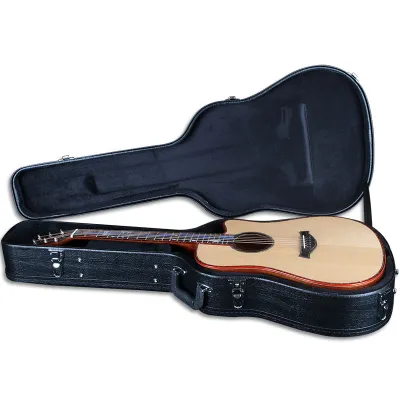
12 Lazada user ratings
Excellent. Made of high quality materials and durably constructed wooden case. Efficient protection against knocks, falls and scratches. Gre…Read full reviewShow less
Excellent. Made of high quality materials and durably constructed wooden case. Efficient protection against knocks, falls and scratches. Great for storing your valuable expensive guitars. Easy to carry and travel with too. Very satisfied with this purchase, store and seller highly recommended.
Easy to carry, Elegant gift option, Fast shipping service, Safe for airline travel, Good size options, Good size options, High quality mater…Read full reviewShow less
Easy to carry, Elegant gift option, Fast shipping service, Safe for airline travel, Good size options, Good size options, High quality material, High quality material,
Fast shipping service, High quality material, Good size options, Strong pressure resistance, Shockproof design, Elegant gift option,
The guitar case is really beautiful and fits my guitar perfectly. It's sturdy and definitely worth it.
Very good quality. It exceeded my expectations.

20 Lazada user ratings
Absolutely perfect and highly recommended. It’s worth owning and returning for more. The quality is authentic and guaranteed. Great feel and…Read full reviewShow less
Absolutely perfect and highly recommended. It’s worth owning and returning for more. The quality is authentic and guaranteed. Great feel and tone. Love it!
These are my go to strings for my home guitars. It's great that it has a free string number 1. Hopefully the corrosion will not happen any t…Read full reviewShow less
These are my go to strings for my home guitars. It's great that it has a free string number 1. Hopefully the corrosion will not happen any time soon.
I got the item, and it matches the description perfectly. I buy this every year; it's really great quality and worth picking up.
The quality is great and it's super convenient to use! I'll definitely come back next time!
Quality:Excellent sound quality, Very high quality, Impressive quality,
Prices are valid at publication and may change. Please refer to the product page for the latest price.
Finally, your guitar’s physical build is the ultimate filter. Acoustic, classical, and electric guitars have different body shapes, neck widths, and string tensions. A strap or capo designed for a slim electric neck may slip or damage a wide, flat classical fingerboard. Always verify compatibility before buying.
The Non-Negotiable Essentials for Every Beginner
Keeping your guitar in tune is crucial for staying motivated. A guitar that is even slightly out of tune sounds unpleasant, which can make you believe you are playing incorrectly when your finger placement is perfect. A reliable clip-on tuner is highly recommended because it detects physical vibrations from the headstock, making it usable in noisy rooms. Alternatively, a free smartphone tuning app works well in quiet spaces.

Picks and straps are your primary physical connection to the instrument. Instead of buying a large pack of a single thickness, start with a variety pack containing thin, medium, and heavy gauges. Thin picks are easier for strumming acoustic chords, while thicker picks offer the control needed for single-note electric lines. Pair these with an adjustable nylon strap to practice while standing, which builds proper wrist alignment.
Your guitar needs physical protection from dust, bumps, and environmental shifts. A padded gig bag is a cost-effective starting point, offering lightweight protection and backpack straps for easy transport. If you plan to travel frequently, a hardshell case provides superior structural support and a tighter environmental seal.
Routine maintenance is inevitable, and you will eventually need to change your strings. A basic string winder and a pair of wire cutters turn a tedious chore into a quick task. The winder allows you to spin tuning pegs rapidly, while the cutters let you safely trim excess wire at the headstock.
Type-Specific Accessories: Acoustic, Classical, and Electric
Acoustic and classical players face unique physical demands. For acoustic players, a capo is an invaluable tool that clamps across the fretboard, raising the pitch of the strings. This allows you to play songs in different keys using the basic open chord shapes you already know. Classical players focus heavily on traditional posture, which often requires a small footstool or an ergonomic guitar support to elevate the neck to the correct playing angle.
Electric guitarists require an entirely different set of supporting gear. You will need a shielded instrument cable to connect your guitar to an amplifier without introducing unwanted hum. Look for a cable with durable, molded connectors and a length of about three to five meters. Your amplifier should be a compact, low-wattage practice model that features a dedicated headphone jack for silent practice.
While some accessories are shared, their utility depends on your progress. For example, while a capo is highly useful for acoustic singer-songwriters, an electric guitarist focusing on lead scales can easily delay buying one. Focus first on the items that make your specific instrument functional, and only expand your collection when your practice material explicitly calls for a new tool.
Optional Upgrades: What to Skip as a Beginner
It is easy to fall into the trap of thinking that more gear makes you a better player. Effects pedals, complex pedalboards, and digital modelers are highly marketed but unnecessary for a beginner. Learning to control your dynamics, timing, and finger placement on a clean tone is crucial. Introducing heavy distortion or delay too early can mask technical mistakes, slowing down your progress.
Similarly, premium leather straps, custom-engraved picks, and high-end locking tuners are luxury upgrades you can safely skip. Standard nylon straps and basic plastic picks are incredibly durable and perform their jobs perfectly. Save your money for replacement strings or professional setups until you have developed a clear preference for specific materials.
Advanced maintenance kits containing fretboard conditioners, specialized oils, and body polishes should also be avoided initially. Many of these chemical products are formulated for specific wood finishes. Applying the wrong oil to a satin finish or a maple fretboard can cause permanent discoloration. For the first few months, a simple, dry microfiber cloth is all you need.
Basic Maintenance and Safe Storage Practices
Environmental factors can severely impact the playability and structural integrity of your guitar. In tropical climates like the Philippines, high humidity can cause the wood of an acoustic guitar to swell, raising the action and making the strings difficult to press down. Conversely, constant exposure to dry air-conditioning can cause the wood to shrink and crack. Monitor your practice space and consider keeping your guitar in its case with silica gel packs if the humidity is consistently high.
Establishing a simple cleaning routine after every practice session will dramatically extend the life of your strings and hardware. Sweat and oils from your fingers naturally corrode metal strings, leading to a dull tone and rough playability. Simply wiping down the strings, neck, and body with a clean, dry microfiber cloth after you finish playing will prevent rust and grime buildup. Always check the manufacturer’s care instructions before using any commercial cleaning sprays.
Where you store your guitar when you are not playing it directly affects its safety. Leaning a guitar against a wall or a couch is a recipe for a broken neck or a cracked headstock if it slips. A stable, floor-standing A-frame stand or a secure wall hanger keeps your instrument safe while keeping it visible, which encourages daily practice. However, if you have pets, small children, or high foot traffic in your home, storing the guitar inside its padded gig bag or hard case is always the safest option.
Frequently Asked Questions (FAQ)
Do I need a guitar stand, or is a case enough?
A guitar stand is highly beneficial because it keeps your instrument visible and easily accessible, which naturally encourages you to pick it up and practice more often. However, a stand offers very little protection against dust, humidity shifts, or physical impacts. If your home has high foot traffic, active pets, or curious children, keeping your guitar inside a padded gig bag or hard case is much safer. The ideal setup is to use a stand during your active practice hours and store the guitar securely in its case when it will be left unattended for long periods.
Can I use acoustic guitar strings on an electric guitar?
No, you should not use acoustic guitar strings on an electric guitar. Acoustic strings are typically made of bronze or brass, which do not interact well with the magnetic pickups of an electric guitar, resulting in an extremely weak and unbalanced sound. Additionally, acoustic strings are wound at much higher tensions, which can warp an electric guitar’s neck or damage its bridge. Always check the packaging to ensure you are buying strings specifically labeled for your type of guitar, and never assume they are interchangeable.
Community discussion
Share your experience or ask a question. Comments are reviewed before publication.