
Choosing the right parenting book can feel overwhelming, especially when modern advice directly conflicts with traditional upbringing. Philippa Perry’s The Book You Wish Your Parents Had Read offers a refreshing, relationship-first approach that focuses on emotional connection and understanding your own childhood triggers. However, if you are currently struggling with immediate, logistical challenges like sleep training or potty training, a tactical, behavior-focused manual might serve you better. The ideal choice depends on whether you need to address the emotional roots of your family dynamics or require a step-by-step guide for daily routines.
In the Philippines, where multi-generational households are common and traditional parenting styles often emphasize strict obedience, navigating these different approaches is highly personal. Balancing respect for elders with a desire to foster emotional openness in your children requires a clear understanding of what each book offers. By comparing Perry’s philosophy with more traditional, behavioral methods, you can select the resource that best supports your family’s unique journey.
Quick Answer: Is Philippa Perry's Book Right for You?
Philippa Perry’s book is designed for parents who want to focus on the long-term emotional health of their children by first examining their own emotional patterns. It is not a quick-fix manual filled with discipline charts or sleep schedules. Instead, it encourages deep self-reflection to help you understand why certain child behaviors trigger intense reactions in you.
Products mentioned in this guide
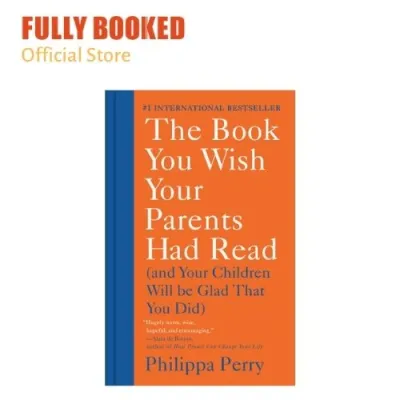
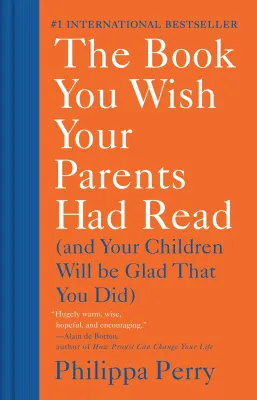
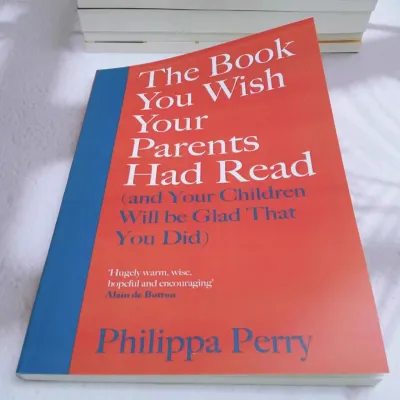

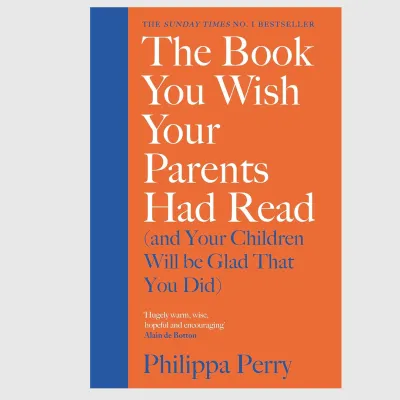
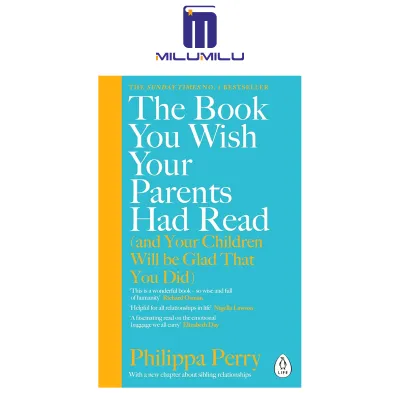
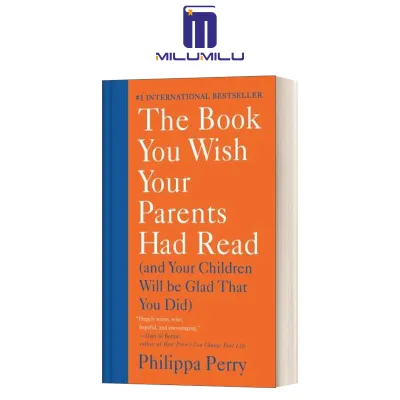
Prices are valid at publication and may change. Please refer to the product page for the latest price.
If your primary goal is to break generational cycles of communication breakdowns and build a foundation of deep empathy, Perry’s work is highly suitable. It helps you move away from reactive parenting and toward mindful connection, which is particularly valuable when navigating the complex family dynamics of a shared household.
Conversely, if you are physically exhausted and need immediate, structured solutions for daily challenges like toddler tantrums, bedtime routines, or mealtime struggles, this book may feel too abstract. In such cases, a behavior-focused parenting book that outlines specific, step-by-step disciplinary or scheduling techniques will be more immediately practical.
No single book can address every aspect of raising a child. Many parents find that a combination of both styles—using Perry’s book for emotional grounding and behavioral guides for daily logistics—provides the most balanced support.
Comparing Core Parenting Philosophies and Approaches
To make an informed decision, it is essential to contrast the core philosophies of these different parenting resources. Perry’s approach is rooted in psychotherapy, emphasizing that the quality of the parent-child relationship is the single most important factor in a child’s development. She argues that children do not need perfect parents, but they do need parents who are willing to acknowledge their own mistakes and repair relationship ruptures.

Traditional behavioral books, on the other hand, often view parenting through the lens of habit formation and compliance. These guides focus on establishing clear boundaries, routines, and consequences. While Perry emphasizes validating a child’s feelings, behavioral manuals often emphasize managing the child’s outward actions.
This philosophical difference directly impacts how conflict is handled in the home:
- Validating Feelings: Perry advocates for allowing children to experience and express all emotions, even the difficult ones like anger or sadness. The parent's role is to sit with the child in their discomfort rather than trying to immediately fix it or shut it down.
- Consequence-Based Systems: Behavioral books often recommend tools like time-outs, reward charts, or natural consequences to discourage unwanted behavior. The focus is on teaching the child what is acceptable through structured feedback.
For parents in the Philippines, these philosophies interact directly with cultural norms. Traditional Filipino upbringing often prioritizes respect for authority and immediate compliance. Implementing Perry’s approach might require challenging the conventional “because I said so” mindset, which can sometimes cause friction with older relatives who favor more authoritarian methods.
However, addressing the root emotional causes of behavior can lead to more sustainable harmony in a busy, multi-generational home. When children feel heard and understood, the frequency of attention-seeking tantrums often decreases, reducing overall household stress and parental burnout.
Verifying Editions, Formats, and Local Availability
Before purchasing any parenting book, it is important to verify the specific edition and format to ensure it fits your lifestyle and reading preferences. Imported books can vary in content completeness, and regional licensing restrictions may affect digital availability.
Checking Editions and Content
When browsing online or in physical stores, check the publication details. Some editions of The Book You Wish Your Parents Had Read may include additional discussion guides, workbook sections, or forewords that are highly beneficial for book clubs or self-study. Ensure you are purchasing the complete, unabridged version rather than a condensed summary.
Choosing the Right Format for Your Lifestyle
Consider how the tropical climate and your daily routine influence your choice of book format:
- Physical Paperbacks: These are highly portable and easy to annotate, but the high humidity in the Philippines can cause pages to yellow, warp, or develop foxing over time. If you prefer physical books, store them in a dry, well-ventilated area away from direct sunlight.
- Hardcovers: More durable and resistant to wear, hardcovers are excellent for long-term collections, though they are heavier to carry during daily commutes.
- E-books: Highly convenient for reading during late-night feeds or while commuting on public transport. They do not require a reading light, which helps keep a sleeping baby undisturbed. Always verify that the file format is compatible with your specific e-reader or tablet.
- Audiobooks: Ideal for busy parents who prefer to listen while doing household chores, preparing meals, or driving through heavy traffic. Before buying, verify that the digital platform is accessible in your region without licensing blocks.
Ensuring Authenticity and Avoiding Counterfeits
Counterfeit books are highly prevalent on online marketplaces. These unauthorized reprints often suffer from blurry text, missing pages, poor binding, and low-quality paper that deteriorates rapidly in humid conditions. To guarantee you receive a genuine copy, purchase directly from established local bookstore chains, independent local bookshops, or the official digital storefronts of verified publishers on reputable e-commerce platforms.
Decision Framework: Choosing the Right Book for Your Family
To help you decide which book to purchase first, use this structured framework to assess your current family needs, lifestyle, and parenting goals.
Choose The Book You Wish Your Parents Had Read if:
- You want to break generational cycles: You wish to parent differently from how you were raised, moving away from authoritarian methods toward a more empathetic, communicative relationship.
- You want to understand your triggers: You find yourself reacting with intense anger or frustration to minor child behaviors and want to explore the underlying emotional reasons.
- You prioritize emotional intelligence: Your primary goal is to raise a child who is highly aware of their emotions and capable of expressing them constructively.
- You live in a multi-generational home: You need a framework that helps you manage your own emotional boundaries when dealing with conflicting parenting advice from extended family.
Choose other popular behavior-focused books if:
- You need immediate tactical routines: You are struggling with specific developmental milestones, such as establishing a consistent infant sleep schedule or navigating potty training.
- You prefer structured, step-by-step guides: You find comfort in clear rules, daily schedules, and concrete disciplinary actions rather than philosophical reflection.
- Your child responds well to clear boundaries: You want to establish a predictable environment with consistent consequences to help your child feel secure.
Verify first if professional guidance is needed:
While self-help books are valuable resources, they are designed for general parenting support. If your child is experiencing severe behavioral challenges, persistent developmental delays, extreme anxiety, or signs of neurodivergence, do not rely solely on a book. Consult a qualified developmental pediatrician, child psychologist, or family therapist in the Philippines to receive personalized, professional guidance.
Frequently Asked Questions (FAQ)
Can I find these parenting books in local Philippine bookstores?
Yes, major national bookstore chains and independent local bookshops frequently stock popular international parenting titles, including Philippa Perry’s book. However, because stock levels can fluctuate significantly, it is highly recommended to use online store locators or call your local branch ahead of time to verify physical availability before making a trip.
If a specific title is out of stock, many local bookstores allow you to place a special order. Alternatively, you can search the official digital storefronts of established local booksellers on reputable e-commerce platforms to ensure you are purchasing an authentic, authorized copy.
Are audiobooks a good alternative for busy parents?
Audiobooks are an excellent, highly practical alternative for busy parents who find it difficult to sit down with a physical book. They allow you to absorb valuable parenting insights while multitasking, such as during your daily commute, while preparing meals, or during late-night infant care.
Before purchasing an audiobook, always check the platform’s regional restrictions and device compatibility to ensure the file will play seamlessly on your smartphone or tablet. Keep in mind that while audiobooks offer great convenience, some parents still prefer physical books or e-books for the ease of highlighting key passages, taking notes, and quickly referencing specific chapters during challenging parenting moments.
Community discussion
Share your experience or ask a question. Comments are reviewed before publication.