
Finding the right self-help book is not about chasing bestseller lists or buying whatever is trending on social media. It is about finding a structured framework that directly addresses your current life challenges, whether you are navigating career transitions, managing financial pressures, or building better daily routines. The search for personal growth literature often leads to an overwhelming sea of options, making it difficult to separate genuine, transformative wisdom from repetitive, surface-level advice. This guide serves as the book ultimate guide to selecting, evaluating, and applying personal development literature specifically tailored for readers in the Philippines, helping you build a purposeful home library that translates directly into real-world progress.
In a fast-paced environment where daily commutes can be long and work demands are high, your reading time is a precious resource. Investing that time in the wrong book can lead to frustration and a sense of stagnation. By shifting your approach from passive consumption to active, targeted selection, you can ensure that every page you turn contributes to a tangible improvement in your daily life. This systematic approach ensures that your reading list aligns with your personal aspirations, local economic realities, and practical lifestyle constraints.
Identifying Your Personal Growth Goals
Before purchasing any self-help book, it is essential to conduct a thorough self-assessment to pinpoint your current life stage and specific areas for improvement. Many readers fall into the trap of buying books based on vague notions of self-improvement, only to find that the content does not address their immediate bottlenecks. To avoid this, take a moment to reflect on your daily routines and identify where you experience the most friction. Are you struggling with career stagnation, financial stress, or emotional burnout? Pinpointing these specific pain points allows you to search for books that offer targeted solutions rather than generic inspiration.
Products mentioned in this guide
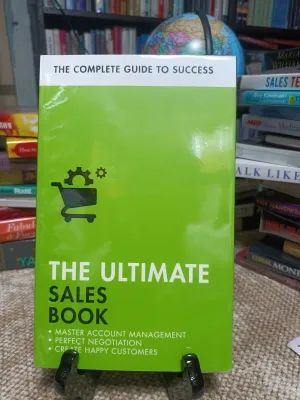
Prices are valid at publication and may change. Please refer to the product page for the latest price.
It is also crucial to differentiate between short-term skill acquisition and long-term mindset shifts. If you need to learn how to manage a project budget or organize your weekly schedule, you should look for highly practical, tactical books focused on systems and tools. On the other hand, if you are dealing with deep-seated imposter syndrome or a fear of failure, you will benefit more from books that explore psychological frameworks and cognitive behavioral shifts. Understanding which type of growth you require prevents you from becoming frustrated by a book’s level of abstraction or detail.
Finally, set realistic expectations for what a book can and cannot solve. A book is a blueprint, not a magic cure. It can provide you with the tools, frameworks, and perspectives of experts, but the actual transformation requires active, consistent implementation in your daily life. If you are experiencing severe burnout or clinical anxiety, a book should complement, not replace, professional support. Recognizing the boundaries of self-help literature empowers you to use these resources as practical guides rather than expecting them to solve complex life challenges without your active participation.
Core Categories of Self-Help and Personal Development
The self-help genre is incredibly broad, encompassing everything from spiritual philosophy to rigorous behavioral science. To navigate this vast landscape effectively, it helps to categorize books based on the specific psychological frameworks and practical methodologies they employ. By understanding these core categories, you can match your immediate priorities with the right type of literature, ensuring that your reading list is balanced and directly applicable to your goals.

Selecting the right category depends heavily on your current capacity for change. If you are overwhelmed by a chaotic schedule, starting with deep philosophical texts might feel impractical. Instead, focusing on immediate, actionable categories like habit building can help you reclaim your time and mental energy. Once you have established a stable foundation, you can gradually transition to broader categories like financial literacy or emotional resilience to support your long-term development.
Habit Building and Productivity
Books in this category focus on the mechanics of daily routines, time management, and behavioral change. When evaluating these titles, look for key concepts such as incremental changes, system-building, and focus management. A high-quality productivity book should move beyond simple “hacks” and instead explain the psychological cues and rewards that drive human behavior. This scientific foundation makes it easier to adapt the strategies to your own life.
To determine if a book’s methodology fits your lifestyle, consider your daily constraints. A productivity system designed for someone with a highly flexible schedule may not work if you face long daily commutes or rigid office hours. Look for frameworks that emphasize adaptability and small, repeatable actions. The goal is to find systems that help you manage your energy and attention throughout the day, allowing you to make consistent progress without burning out.
Financial Literacy and Wealth Mindset
Developing a healthy relationship with money requires both practical knowledge and a shift in perspective. Books in this category should help you improve your money management, understand investing basics, and unpack your financial psychology. It is vital to distinguish between get-rich-quick schemes that promise effortless wealth and foundational financial literacy books that emphasize budgeting, saving, and long-term investing.
When reading international financial guides, always check if the principles are adaptable to the local economic context and regulations in the Philippines. While concepts like compound interest and living below your means are universal, specific advice regarding tax-advantaged accounts, local investment vehicles, and real estate laws will differ. Look for books that focus on the behavioral aspects of finance, as these mindsets are highly transferable regardless of where you live or what financial systems you navigate.
Emotional Resilience and Relationships
Personal growth is not just about productivity and finance; it also involves fostering emotional intelligence, setting healthy boundaries, and improving interpersonal skills. When exploring this category, prioritize evidence-based psychological approaches, such as those rooted in Cognitive Behavioral Therapy (CBT) or mindfulness, over purely anecdotal advice. Books grounded in research offer more reliable tools for managing stress and understanding human behavior.
Assess whether a book focuses on self-regulation, communication, or conflict resolution depending on your current relationship dynamics. For instance, if you are navigating complex family expectations or workplace conflicts, look for titles that offer practical communication frameworks. These books should help you identify your emotional triggers, establish clear personal boundaries, and build stronger, more empathetic connections with the people around you.
Evaluating Book Quality and Reader Fit
With thousands of self-help titles published every year, learning how to critically assess a book’s credibility before making a purchase is an essential skill. Start by verifying the author’s credentials and professional background. Is the author a licensed psychologist, an experienced researcher, or a practitioner with years of proven success in their field? Be cautious of authors whose sole credential is their self-proclaimed status as an influencer or guru. A credible book will clearly cite peer-reviewed research, case studies, and diverse real-world examples rather than relying entirely on personal anecdotes.
Another effective way to evaluate reader fit is to read critical reviews on independent platforms. While five-star reviews can offer insight into a book’s popularity, two- and three-star reviews often provide a more balanced perspective. Look for common complaints, such as repetitive content, an overreliance on a single concept stretched over hundreds of pages, or a lack of actionable steps. If multiple readers note that the book could have been a short article, it may not be worth your time or money.
Additionally, pay close attention to the publication date of the book. While some classic personal development texts offer timeless wisdom, others may contain outdated advice that does not account for modern technological and social challenges. For example, a productivity book written before the rise of smartphones and remote work may fail to address the unique digital distractions we face today. Ensure that the book’s context aligns with the modern world, or be prepared to actively translate older concepts into contemporary practices.
Buying Guide: Formats, Editions, and Local Availability
Choosing the right format for your self-help books can significantly impact your retention, convenience, and overall reading experience. Physical books are excellent for spatial memory, allowing you to easily flip back and forth, write in the margins, and highlight key passages. However, in a tropical climate with high humidity, physical books require careful storage to prevent mold, page yellowing, and pest damage. If you prefer physical copies, consider keeping your bookshelf in a well-ventilated room or using protective covers.
E-books and audiobooks offer incredible convenience, especially for readers who want to utilize their daily commute or travel time. E-books allow you to carry an entire library on a single lightweight device, offer built-in dictionaries, and make highlighting and exporting notes incredibly simple. Audiobooks are perfect for multitasking during chores or exercise, though they may require more conscious effort to ensure active listening and retention. When choosing digital formats, always verify device compatibility and check for regional restrictions that might prevent you from accessing certain titles in the local market.
When shopping for books, it is crucial to verify authorized editions and avoid pirated copies, which are common on online marketplaces and informal street stalls. Counterfeit books not only violate copyright laws and deprive authors of their earnings, but they also offer a poor reading experience. Be highly suspicious of unusually low prices; if a physical book that typically costs ₱500 to ₱800 is being sold for ₱100 to ₱150, it is highly likely an unauthorized reprint. Authorized editions can be purchased from reputable local bookstore chains, official brand stores on major ecommerce platforms, or certified independent book dealers.
Building a Sustainable Reading Practice
Owning a self-help book is only the first step; the real value lies in how you integrate its lessons into your daily life. To build a sustainable reading practice, move away from passive reading and adopt active reading techniques. Keep a pen or highlighter nearby to mark key passages, write your thoughts in the margins, or maintain a dedicated reading journal. Summarizing each chapter in your own words and writing down exactly how you plan to apply one specific concept helps cement the knowledge in your mind.
Pacing your reading is also vital to avoid mental burnout and allow time for practical implementation. It is easy to get swept up in the excitement of a new book and rush through it in a weekend, but this rarely leads to lasting behavioral change. Instead, try reading just one chapter or even a few pages a day, giving yourself time to reflect on the concepts and test them in real-world scenarios. If a book suggests a specific exercise or reflection prompt, pause your reading and actually complete it before moving on to the next section.
Finally, create a simple accountability system to track the behavioral changes inspired by your reading. This could involve sharing your goals with a trusted friend, joining a local book club focused on personal growth, or using a habit-tracker app to monitor your progress. By turning the theoretical advice found in books into concrete, measurable actions, you transform your reading habit from a passive hobby into a powerful tool for continuous self-improvement.
Frequently Asked Questions (FAQ)
How do I spot unauthorized or pirated book copies?
You can spot unauthorized physical book copies by looking for specific signs of poor manufacturing quality. Counterfeit books often feature blurred or low-resolution cover art, thin or low-grade paper that allows text from the reverse side to bleed through, and uneven margins or misaligned text. The binding on pirated copies is frequently weak, with pages that easily detach after minimal use, and you may notice spelling errors on the cover or incorrect ISBN metadata.
For digital formats, red flags include files distributed in unusual formats (such as raw text files or poorly formatted PDFs) on unauthorized websites or online marketplaces. Legitimate e-books are typically sold through official digital storefronts and require authorized e-reader applications to open. If an online seller offers a bundle of popular digital titles at an incredibly low price in ₱, or delivers them via a shared cloud drive link, these are clear indicators of pirated material.
Should I choose physical books or e-books for self-help?
The choice between physical books and e-books depends on your learning style, lifestyle, and environment. Physical books are highly beneficial for active learning and spatial memory, as the tactile experience of turning pages helps you remember where information is located. They also make it easier to flip between chapters, write detailed annotations, and read without the distraction of screen notifications or digital eye strain.
E-books are highly advantageous if you value portability, instant delivery, and space-saving convenience. They allow you to carry dozens of personal development guides on a single device, which is ideal for reading during long commutes. Additionally, digital readers feature built-in search tools, instant dictionary lookups, and the ability to export your highlighted notes directly to a document for easy review. E-books are also immune to the humidity, mold, and pests that can damage physical paper in tropical climates.

Community discussion
Share your experience or ask a question. Comments are reviewed before publication.