
Deciding between Robert Greene’s two most prominent works depends entirely on whether you need an immediate shield against workplace politics or a long-term map of the human mind. The 48 Laws of Power serves as a tactical manual, offering historical strategies for navigating competitive environments, establishing boundaries, and defending against manipulation. In contrast, The Laws of Human Nature takes an analytical, introspective approach, focusing on the psychological forces, cognitive biases, and emotional patterns that drive human behavior. If you are currently facing intense professional competition or high-stakes negotiations, the tactical focus of The 48 Laws of Power provides immediate defensive utility. However, if your goal is to build deep emotional intelligence, lead collaborative teams, or understand your own behavioral blind spots, The Laws of Human Nature offers the necessary psychological foundation for long-term personal growth.
Understanding the Core Difference: Strategy vs. Psychology
To appreciate the value of Robert Greene’s writings, you must first understand the fundamental shift in perspective between these two landmark books. The 48 Laws of Power treats human interaction as a strategic game of chess. The focus is almost entirely external, analyzing how actions, words, and calculated silence can be used to secure positioning, manage perceptions, and defend against rivals. It operates on the premise that power dynamics are an unavoidable reality of social life, and that failing to understand these dynamics leaves you vulnerable to those who do.
The Laws of Human Nature shifts the focus from external tactics to internal psychological depth. Instead of asking how to outmaneuver someone, this book asks why people behave the way they do in the first place. It explores the evolutionary roots of human behavior, examining forces like envy, grandiosity, irrationality, and the “shadow self” that influence our daily decisions. This transition represents an evolution in Greene’s own philosophy: power is no longer viewed merely as a tool for external dominance, but as a natural byproduct of self-mastery and deep psychological insight.
Products mentioned in this guide



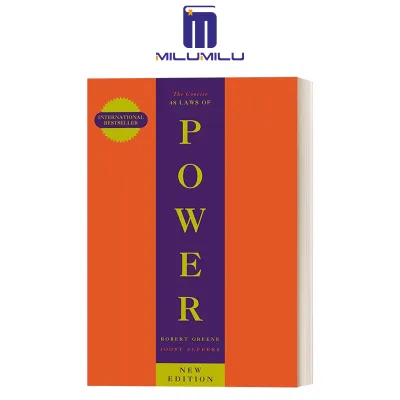


Prices are valid at publication and may change. Please refer to the product page for the latest price.
This distinction defines the primary reader persona for each book. The 48 Laws of Power is designed for the strategic navigator—someone who needs to survive and thrive in highly competitive, hierarchical, or politically charged environments, such as corporate offices in major metropolitan hubs. The Laws of Human Nature is crafted for the empathetic observer. This reader is typically a leader, manager, educator, or individual committed to self-improvement who wants to build cohesive teams, resolve deep-seated conflicts, and cultivate lasting personal discipline.
The 48 Laws of Power: Mastering External Strategy and Defense
Published as a dense compilation of historical strategy, The 48 Laws of Power is structured around forty-eight distinct laws derived from thousands of years of human history. Greene illustrates each law using detailed anecdotes featuring historical figures, military strategists, and court advisors from various civilizations. The book is written in a famously detached, amoral tone, presenting human behavior as it has historically occurred rather than how it ought to be in an ideal world. This realistic approach allows readers to observe the mechanics of influence without the softening lens of conventional etiquette.

The ideal use cases for this book are primarily defensive and strategic. It is highly valuable for professionals operating within complex corporate hierarchies, competitive industries, or family business dynamics where hidden agendas and alliances are common. By studying these laws, you learn to recognize when others are attempting to undermine your work, take credit for your achievements, or isolate you from key decision-makers. It provides a practical vocabulary for understanding leverage, negotiation, and the preservation of professional boundaries.
However, the reading experience can be intense and provocative. Because the historical examples often involve high-stakes political intrigue, court conspiracies, and military maneuvers, you must actively translate these ruthless tactics into modern, ethical professional practices. The goal of reading this book is not to adopt a cynical or manipulative mindset, but to develop a realistic awareness of power dynamics so you can protect your career, your projects, and your personal well-being from exploitation.
The Laws of Human Nature: Decoding Psychology and Empathy
In The Laws of Human Nature, Greene provides a comprehensive guide to understanding the underlying drivers of human behavior. The book is organized into eighteen chapters, each dedicated to a specific law of behavior, such as the Law of Irrationality, the Law of Role-Playing, or the Law of Compulsive Behavior. Rather than focusing solely on historical power struggles, this work integrates psychological concepts, cognitive biases, and biographical studies of figures like Marcus Aurelius, Mary Shelley, and Martin Luther King Jr. to explain the complexities of the human mind.
This psychological depth makes the book exceptionally useful for leadership, team building, and conflict resolution. If you are responsible for managing diverse groups of people, understanding these laws helps you decode subtle behavioral cues, such as passive-aggression, defensive posturing, or unexpressed envy. Instead of reacting emotionally to challenging behavior, you learn to analyze its root causes, allowing you to respond with calm, strategic empathy. Furthermore, the book serves as a powerful tool for personal growth, helping you identify and master your own emotional triggers and irrational impulses.
The reading experience here is highly introspective and analytical. It requires patience and a willingness to look inward, as many chapters challenge you to confront your own flaws, biases, and defensive habits. Unlike tactical guides that offer quick fixes, this book focuses on long-term character development. It encourages you to transition from a reactive state of mind to an observant, analytical perspective, fostering a deeper connection with yourself and those around you.
Which Book Solves Your Problem? A Decision Framework
To help you decide which book best aligns with your current life situation and goals, consider the following condition-based frameworks.
Choose The 48 Laws of Power if:
- You are currently navigating a highly competitive, politically charged, or toxic professional environment where you need immediate defensive strategies.
- You need to understand the mechanics of negotiation, leverage, and how to establish firm boundaries against aggressive personalities.
- You enjoy studying historical narratives, military strategy, and the tactical successes and failures of past leaders.
Choose The Laws of Human Nature if:
- You want to improve your emotional intelligence, empathy, and ability to read people's underlying motivations and non-verbal cues.
- You are in a leadership, management, or collaborative role where your success depends on building trust, resolving conflicts, and uniting diverse teams.
- You are committed to a long-term journey of self-discovery, self-mastery, and understanding your own psychological blind spots.
Neither book may fit if:
- You are seeking a lightweight, highly optimistic self-help book filled with quick motivational quotes, simple daily affirmations, or feel-good advice. Robert Greene's works are dense, intellectually demanding, and require significant reflection and effort to study and apply effectively.
The table below summarizes the core differences between the two books to assist in your decision:
| Dimension | The 48 Laws of Power | The Laws of Human Nature |
|---|---|---|
| Primary Focus | External strategy, tactical defense, and power dynamics | Internal psychology, empathy, and self-mastery |
| Core Methodology | Historical anecdotes and strategic laws | Psychological concepts, cognitive biases, and biographies |
| Ideal Reader Profile | Professionals in competitive or political environments | Leaders, managers, and individuals seeking self-growth |
| Primary Takeaway | How to navigate power structures and avoid manipulation | How to decode behavior and master emotional impulses |
| Reading Difficulty | Moderate (dense historical narratives) | High (deep psychological analysis and long chapters) |
How to Read and Apply Robert Greene's Concepts Safely
When engaging with Robert Greene’s work, it is essential to approach the material as a descriptive study of human history and psychology rather than a prescriptive moral guide. The laws and behaviors described in these books reflect how people have historically behaved under pressure, not necessarily how you should treat your friends, family, or colleagues in daily life. Maintaining this analytical distance allows you to absorb the strategic value of the concepts without adopting toxic or misaligned behaviors.
To apply these concepts practically and safely, avoid trying to implement every law or observation at once. Instead, keep a dedicated journal and map specific concepts to real-life interactions that you observe from a distance. For example, you might observe how group dynamics play out during a project meeting, or note how cognitive biases affect decision-making in your industry, without immediately intervening. This practice of active observation helps you test the validity of Greene’s concepts in your specific environment before making any strategic adjustments.
Finally, verify the book formats and editions before making a purchase. Because of the density of the prose and the depth of the historical examples, physical books are highly recommended for active study, as they allow you to easily highlight key passages, write margin notes, and refer back to specific chapters. If you prefer audiobooks, carefully check whether the version is unabridged; abridged editions often remove the rich historical narratives, leaving only the raw laws without the necessary context. When purchasing physical copies from local book retailers or online marketplaces, verify the publisher details, page count, and physical dimensions to ensure you are investing your hard-earned money—such as spending ₱800 to ₱1,200 on a high-quality trade paperback—in a complete, authorized edition that will serve as a lasting reference on your bookshelf.
Frequently Asked Questions (FAQ)
Is The 48 Laws of Power too manipulative for everyday life?
While the book is often criticized for its cynical tone, its primary value for most modern readers lies in defense rather than offense. Understanding the laws of power allows you to recognize when someone is attempting to manipulate, isolate, or undermine you in professional or social settings. You do not need to practice manipulative tactics to benefit from the book; instead, you can filter the historical examples through your own ethical boundaries and professional codes of conduct, using the strategic insights to protect your work and maintain healthy boundaries.
Which book should I read first if I am new to Robert Greene?
For most readers, starting with The Laws of Human Nature is highly recommended. It provides a foundational understanding of human psychology, emotional triggers, and self-awareness, which makes the cynical tactics and historical power struggles of The 48 Laws of Power much easier to contextualize and analyze objectively. However, if you are currently dealing with an intensely competitive, politically charged, or toxic environment, starting with The 48 Laws of Power can provide immediate, practical defensive strategies to help you navigate your current situation safely.
Are there specific editions or formats I should look for?
Yes. When selecting either book, always verify whether the edition is abridged or unabridged. Abridged versions, particularly in audiobook formats, often remove the rich historical narratives and biographical sketches, leaving only the raw laws or concepts without the necessary context. Additionally, when purchasing physical copies from local book retailers or online marketplaces in the Philippines, check the publisher information, page count, and physical dimensions to ensure you are buying a high-quality, authorized print that will withstand repeated reading and study.
Community discussion
Share your experience or ask a question. Comments are reviewed before publication.