
Quick Answer: Is the Tank B Right for Your Bass Setup?
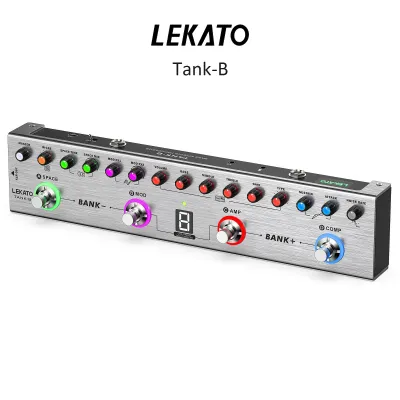
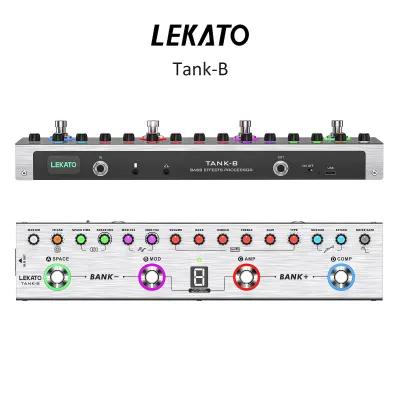
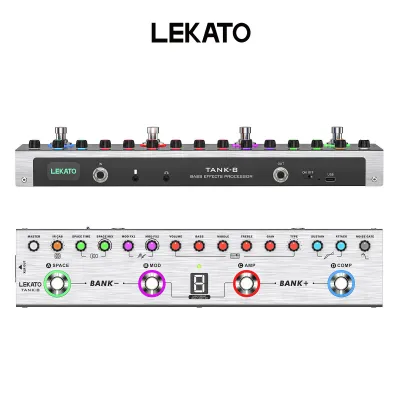
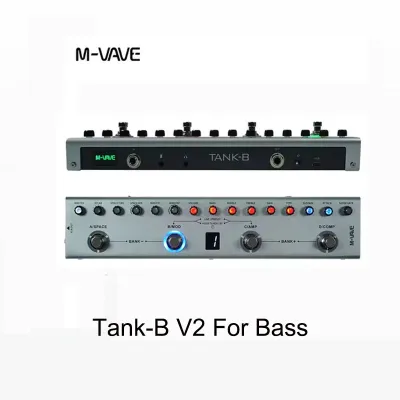
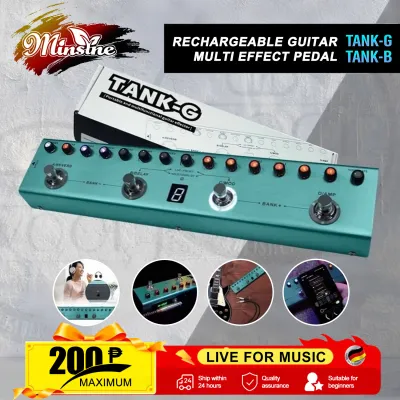
The Tank B is a highly portable, multi-functional bass pedal that combines a preamp, compressor, overdrive, modulation, and delay into a single compact chassis. It is an excellent fit for bassists in the Philippines who need a lightweight, budget-friendly “fly-rig” for direct-to-PA performances at church services, club gigs, or outdoor events where carrying a heavy amplifier is impractical.
However, if your musical style demands highly specialized analog compression, complex MIDI routing, or extensive preset libraries, a combination of dedicated single-function pedals or a high-end digital modeling floorboard will serve you better. Ultimately, the right choice depends on verifying how the pedal’s specific input impedance, power draw, and output configurations align with your existing bass guitar and amplification setup.
Defining the Contenders: Tank B vs Market Alternatives
To make an informed decision, you must first understand where the Tank B sits in the broader landscape of bass gear. The Tank B is categorized as a compact digital multi-effects pedal and preamp combination. It is designed to serve as an all-in-one signal processor, offering amp modeling, cabinet simulation, and essential effects in a single physical unit. This design philosophy prioritizes convenience, portability, and cost-efficiency, making it a modern alternative to traditional, complex pedalboards.
Products mentioned in this guide
Prices are valid at publication and may change. Please refer to the product page for the latest price.

When comparing the Tank B to other options on the market, you will generally look at three distinct categories of alternatives:
- Single-Function Analog Pedals: These are dedicated units that perform one specific task, such as an analog compressor, a graphic equalizer, or an analog overdrive. They are highly prized for their pure signal paths, tactile controls, and specialized tonal characteristics, but building a full board with them requires a significant financial investment in ₱ and a larger physical footprint.
- Digital Multi-Effects Processors: These are larger, more powerful floorboards that offer extensive libraries of amp models, cabinet impulse responses (IRs), and highly customizable effects chains. They provide immense flexibility and deep editing software but are often heavier, more expensive, and come with a steeper learning curve.
- Dedicated Analog Preamps and DI Boxes: These units focus primarily on tone shaping, EQ, and sending a clean, balanced signal to a mixing console. They rarely include modulation or time-based effects like chorus or delay, focusing instead on delivering a robust, consistent core bass tone.
Evaluating these contenders requires comparing them within the same product generation. Digital processing technology, analog-to-digital converters, and latency performance have improved dramatically in recent years. Comparing a modern multi-effects unit like the Tank B to an outdated digital processor from a decade ago will not yield a fair assessment of sound quality or responsiveness.
Core Comparison Dimensions for Bass Effects Pedals
When evaluating the Tank B against alternative bass pedals, you must look closely at the technical specifications provided in the manufacturer manuals. These dimensions directly impact how the pedal sounds, how it integrates with your gear, and how reliable it will be during live performances.
Tone Shaping and EQ Controls The ability to sculpt your midrange frequencies is critical for bass guitar, as this is where your instrument cuts through or gets lost in a live mix. Check the physical layout of the pedals you are comparing. Some preamps offer a simple three-band EQ (Bass, Middle, Treble), while others provide a four-band EQ or semi-parametric midrange controls that let you sweep through specific frequencies (such as 250Hz to 800Hz) to find the sweet spot. You should also verify if the pedal includes built-in cabinet simulation or the ability to load custom Impulse Responses (IRs), which emulate the sound of a physical speaker cabinet when running directly into a PA system.
Input and Output Configurations A versatile bass pedal should offer flexible routing options. Look for a dedicated, balanced XLR Direct Input (DI) output, which allows you to send a clean, low-noise signal over long cable runs directly to a mixing console. Standard 1/4-inch unbalanced outputs are suitable for connecting to a local bass amplifier but are highly susceptible to electromagnetic interference over long distances. Additionally, check if the pedal features an effects loop (Send and Return jacks), which allows you to insert your favorite external pedals, such as a specialized envelope filter or a favorite fuzz, directly into the pedal’s internal signal chain.
Power Requirements Power compatibility is a common source of noise and equipment damage on pedalboards. You must verify the exact voltage, polarity, and current draw (measured in milliamperes, or mA) required by each pedal. Digital multi-effects units typically require a high current draw (often 300mA to 500mA or more) and must be powered by a regulated 9V DC center-negative power supply. Simple analog pedals, by contrast, may only draw 10mA to 30mA. If a pedal features a built-in rechargeable lithium-ion battery, verify the charging port specifications (such as USB-C) and ensure you use a compatible charger to prevent overheating, especially in warm environments.
Build Quality and Bypass Type For active gigging musicians, the physical construction of the pedal is paramount. In the tropical climate of the Philippines, high humidity and ambient moisture can accelerate the oxidation of metal jacks and internal contacts. Look for robust metal enclosures, heavy-duty footswitches, and sealed jacks that protect the internal circuitry. Furthermore, compare the bypass type of the pedals. True bypass completely disconnects the pedal’s circuitry when turned off, preserving your natural tone but potentially causing signal degradation over very long cable runs. Buffered bypass active-strengthens your signal, which is beneficial if you use long cables but can sometimes alter the response of sensitive fuzz or wah pedals placed downstream.
Matching the Pedal to Your Specific Bass and Amplifier
A pedal does not exist in a vacuum; its performance is heavily influenced by the instrument plugged into its input and the amplifier connected to its output. Understanding these interactions will help you avoid common gain-staging issues and tonal disappointments.
Active versus Passive Pickups Passive bass pickups produce a high-impedance, lower-output signal that requires a high-impedance input (typically 1 Megohm or higher) on your first pedal to prevent “tone sucking,” which manifests as a loss of high-frequency clarity and dynamics. Active pickups, which are powered by an onboard 9V battery, output a low-impedance, high-level signal that can easily overload and clip the input stage of some digital effects pedals, causing harsh digital distortion. When choosing between the Tank B and other pedals, check the manufacturer’s specifications to see if the unit has an input pad switch, an input gain control, or a high input impedance rating that can comfortably accommodate both active and passive instruments.
Amplifier Compatibility How you connect your pedal to your amplifier significantly alters your overall sound. If you run a preamp-focused pedal like the Tank B directly into the front instrument input of a standard bass amplifier, your signal will pass through two separate preamps and EQ sections. This can result in an overly colored, muddy, or excessively bright tone. To achieve a cleaner, more transparent sound, check if your amplifier has an “Effects Return” or “Power Amp In” jack. Connecting the pedal’s output directly to this jack bypasses the amplifier’s internal preamp, allowing the pedal to act as the sole tone-shaping brain of your rig.
Signal Chain Placement If you choose to integrate the Tank B alongside other individual pedals, you must plan your signal chain order carefully to maintain signal integrity. A standard, time-tested order for a bass pedalboard is as follows:
- Dynamics and Pitch: Tuners, compressors, and pitch shifters go first to ensure they receive the cleanest, most accurate signal directly from your bass.
- Filter and Dirt: Envelope filters, wahs, overdrives, and fuzz pedals follow, as they rely heavily on your playing dynamics to shape their harmonic content.
- Preamps and EQs: Preamp pedals (like the Tank B when used as a core tone shaper) are typically placed after dirt pedals to sculpt the distorted frequencies and provide a master EQ.
- Modulation and Time: Chorus, flangers, delays, and reverbs are placed at the very end of the chain to add space and movement to your fully shaped tone.
Decision Framework: Choose Tank B or an Alternative?
To finalize your decision, you must weigh your specific performance environments, budget constraints, and workflow preferences against the documented features of each option.
Choose the Tank B if:
- You need a highly portable, lightweight setup that fits easily into a gig bag accessory pocket, eliminating the need to carry a heavy pedalboard to local venues.
- You frequently perform direct-to-PA (without a physical bass amplifier) and require reliable cabinet simulation and a balanced XLR DI output to send your tone straight to the mixing console.
- You want an affordable, all-in-one solution that covers all the essential bass effects (compression, overdrive, EQ, modulation, and delay) without the high cost of purchasing five or six individual pedals in ₱.
- You prefer a straightforward, physical interface with dedicated knobs for quick on-the-fly adjustments during a live set, rather than navigating complex digital menus.
Choose a competing single pedal if:
- You already have a high-quality bass preamp or amplifier that you love, and you only need one highly specific effect, such as a studio-grade analog compressor or a boutique vintage fuzz.
- You demand the absolute lowest possible signal latency and the pure, uncompressed dynamic response that only a high-end analog circuit can provide.
- You have limited space on an existing, carefully curated pedalboard and require a standard micro-sized pedal footprint.
Choose a multi-effects unit if:
- Your musical projects require a vast library of diverse effects, complex routing options, and the ability to store and recall dozens of distinct presets for different songs.
- You require advanced features such as an integrated expression pedal for real-time volume or wah control, MIDI synchronization, or deep computer-based editing software.
- You plan to use the pedal as a primary USB audio interface for direct home recording and require high-resolution digital converters and extensive routing options.
Verify first if:
- You are unsure about the power supply compatibility of your current pedalboard setup, as mixing high-current digital pedals with sensitive analog pedals on a non-isolated power supply can introduce severe ground loop hum.
- You need to confirm the exact input and output impedances to ensure compatibility with a specific vintage bass guitar or an unusual amplifier configuration.
Pre-Purchase Verification and Setup Checklist
Before finalizing your purchase from an authorized music retailer, complete these essential verification steps to ensure a seamless integration into your rig:
- Verify the Edition and Firmware: Check the exact model version and ensure the firmware is updated to the latest release. Confirm that the user manual and interface labels are in a language you understand, and verify that you are purchasing from an authorized source to guarantee product authenticity.
- Check Power and Voltage Compatibility: Confirm the regional power adapter requirements. The electrical grid in the Philippines operates at 220V and 60Hz; ensure any included wall adapters are rated for this voltage, or verify that your existing isolated power supply has an available outlet that matches the pedal's required voltage, polarity, and minimum current draw (mA).
- Measure Physical Dimensions: Use a measuring tape to verify the pedal's physical dimensions, jack placements, and mounting options against the available space on your current pedalboard.
- Confirm Warranty and Support: Verify the retailer's return policy, warranty duration, and the availability of local technical support or authorized service centers in the Philippines to protect your investment against manufacturing defects.
Frequently Asked Questions (FAQ)
Do I need a specific power supply for the Tank B compared to other pedals?
Yes, you must use a power supply that matches the exact voltage, polarity, and current draw specifications listed on the pedal’s chassis or in the manufacturer’s manual. Digital multi-effects pedals like the Tank B require significantly more current (mA) than simple analog overdrive or compression pedals. To prevent unwanted digital hum, high-frequency squeals, or ground loops, it is highly recommended to use a dedicated, isolated power supply brick rather than a cheap daisy-chain cable, especially when mixing digital and analog pedals on the same board.
Can I use the Tank B directly into a mixing console or audio interface?
Yes, you can connect the pedal directly to a mixing console or audio interface, provided you use the correct output configuration. For the best results, use the pedal’s balanced XLR DI output to send a low-noise, low-impedance signal to the console, which is especially important for preventing signal degradation over long cable runs in live venues. Additionally, ensure that you enable the pedal’s built-in cabinet simulation or impulse response (IR) feature when going direct; this emulates the natural high-frequency roll-off of a physical bass speaker cabinet, preventing your tone from sounding harsh, buzzy, or sterile.
Community discussion
Share your experience or ask a question. Comments are reviewed before publication.