
Finding the right Tagalog pocketbook is about matching your current mood, language comfort, and reading environment with the rich variety of local fiction. Whether you are looking for a lighthearted romance to pass the time on a long commute, a gripping mystery set in the heart of Manila, or a deeply reflective contemporary novel, the local literary scene offers diverse options. By understanding the nuances of language styles, subgenres, and physical formats, you can easily curate a personal reading list that keeps you engaged from the first page to the last.
How to Match Tagalog Pocketbooks to Your Reading Preferences
Selecting the perfect Tagalog pocketbook begins with identifying your language comfort level. Local literature spans a wide linguistic spectrum, from deep, classical Tagalog to modern, conversational Taglish. Deep Tagalog utilizes formal vocabulary and traditional sentence structures, making it highly rewarding for readers who appreciate poetic prose and historical settings. Conversational Tagalog mirrors everyday spoken language, offering a smooth and accessible reading experience. Taglish, which blends Tagalog and English, is highly popular in contemporary urban stories and reflects the natural code-switching heard in daily life across the Philippines.
Your physical reading environment also plays a major role in determining the best format for your collection. Traditional physical pocketbooks are highly valued for their portability, lightweight feel, and nostalgic appeal. However, because they are typically printed on budget-friendly newsprint, they require careful handling in tropical climates. High humidity and heat can cause newsprint pages to warp, yellow, or attract pests like silverfish. If you frequently read during a crowded daily commute on the LRT or MRT, digital e-books offer a convenient, space-saving alternative that allows you to adjust font sizes and read in low-light conditions. Audiobooks, while less common, are an emerging option for those who prefer a hands-free literary experience while multitasking.
Products mentioned in this guide
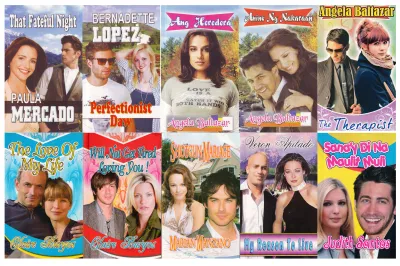
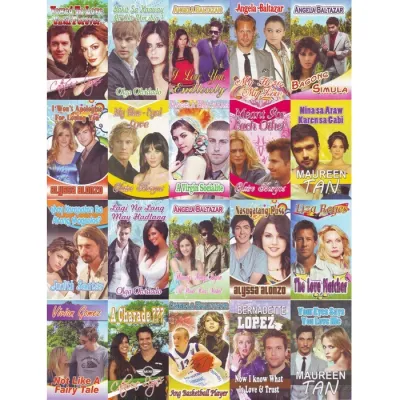



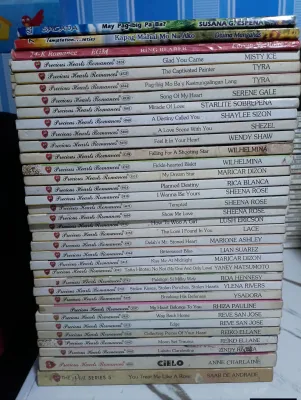
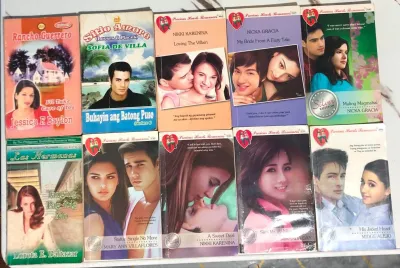

Prices are valid at publication and may change. Please refer to the product page for the latest price.
Finally, consider the length and pacing of the book to match your available reading time. Standard Tagalog pocketbooks are designed for quick, engaging reading sessions, often ranging from 100 to 250 pages. If you only have short pockets of time throughout the day, look for books with brief, fast-paced chapters that allow you to pause and resume easily. For longer, uninterrupted reading sessions on a rainy afternoon, thicker volumes with complex subplots and slower character development will provide a more immersive experience.
Romance and Relationship Pocketbooks: Finding Your Preferred Emotional Tone
Romance remains one of the most popular and diverse genres in Tagalog pocketbook publishing, offering stories that cater to a wide range of emotional preferences. To find a book that matches your current mood, start by identifying the subgenre that appeals to you. Sweet romance focuses on lighthearted, feel-good courtships filled with innocent moments of connection and humor. Dramatic angst, on the other hand, delves into intense emotional conflicts, family opposition, and personal sacrifices, making it ideal for readers who enjoy a passionate, tear-jerking narrative. Family-oriented relationship stories expand the focus beyond the central couple, highlighting the complexities of domestic life, filial duties, and community support.

Familiarizing yourself with common tropes can also help streamline your selection process. The enemies-to-lovers dynamic is a beloved staple, where initial bickering and misunderstandings gradually give way to deep affection, often set against workplace rivalries or provincial backdrops. Second-chance romances appeal to readers who enjoy themes of maturity, forgiveness, and the healing of old wounds, showing how characters have grown during their time apart. Arranged marriages or marriages of convenience offer slow-burn tension, where characters must navigate forced proximity before discovering genuine love.
Before making a purchase, it is wise to check for content warnings and age ratings, especially if you prefer to avoid mature themes or intense emotional triggers. Many modern publishers include clear labels or brief advisories on the back cover or copyright page. Paying attention to these indicators ensures that the story’s themes, language, and level of sensuality align comfortably with your personal reading preferences.
Fiction, Mystery, and Thriller Pocketbooks: Selecting Plot-Driven Suspense
If you prefer high-stakes tension and intellectual puzzles, the Tagalog mystery and thriller genre offers gripping, plot-driven narratives. Whodunits challenge you to solve crimes alongside local detectives, piece together clues, and identify suspects within a familiar cultural setting. Psychological thrillers explore the dark, complex corners of the human mind, often focusing on secrets, deception, and moral ambiguity. Supernatural mysteries weave in elements of local folklore, provincial myths, and urban legends, grounding the suspense in traditional beliefs that feel both familiar and deeply unsettling.
To ensure a satisfyingly tense reading experience, look for books with strong narrative pacing. Thrillers rely heavily on chapter cliffhangers and rapid shifts in perspective to maintain momentum and encourage binge-reading. A well-structured mystery will drop clues incrementally, keeping you guessing without feeling cheated by sudden, unexplained plot twists. Checking reader forums or publisher descriptions can help you gauge whether a book maintains a fast, relentless pace or opts for a slower, atmospheric build-up.
Setting and atmosphere play a crucial role in local suspense fiction. A story set in the congested, rain-slicked streets of Metro Manila can evoke a gritty, realistic noir feel, highlighting urban challenges and systemic complexities. Conversely, a mystery set in a remote provincial town can leverage a sense of isolation, dense tropical forests, and quiet landscapes to build a haunting, claustrophobic atmosphere. Choosing a setting that resonates with you can significantly enhance the overall impact of the suspense.
Literary and Contemporary Fiction: Exploring Character-Driven and Social Themes
For readers seeking deeper reflection, contemporary and literary Tagalog fiction offers character-driven stories that explore complex social themes and personal growth. These works often move beyond simple entertainment to address pressing real-world issues, such as migration, economic struggles, family dynamics, and the search for identity. By focusing on the internal lives of their characters, these novels invite you to contemplate societal structures and the diverse realities of daily life in the Philippines.
In this genre, the writing style and prose quality take center stage. Authors of literary fiction often use evocative, metaphorical language and unique narrative voices to paint vivid pictures of their characters’ worlds. The dialogue is carefully crafted to sound authentic, capturing the nuances of different social classes, generations, and regional backgrounds. If you enjoy savoring beautiful sentences and exploring deep psychological insights, look for authors known for their deliberate, artistic approach to the Tagalog language.
To identify high-quality literary works without relying on unverified bestseller claims, look for established recognition indicators. Books that have received prestigious local accolades, such as the Carlos Palanca Memorial Awards for Literature or the National Book Awards, are excellent starting points. Additionally, publications from university presses and independent local publishers are highly reliable sources for critically acclaimed contemporary fiction, as these institutions prioritize literary merit, cultural relevance, and diverse storytelling voices.
Where to Buy and What to Verify Before Purchasing
When you are ready to add new Tagalog pocketbooks to your collection, a systematic approach to purchasing will ensure you receive high-quality, authentic copies. Always verify the specific edition, language dialect, and format compatibility before finalizing your order. For physical books, confirm whether the edition is a standard pocketbook size or a larger trade paperback, as this affects portability and storage. For digital purchases, ensure the file format is compatible with your e-reader, tablet, or smartphone application to avoid formatting errors.
To support local authors and publishers, always buy through authorized distribution channels. Official publisher storefronts on major ecommerce platforms, established physical bookstore chains, and reputable independent online bookshops are the safest options. Purchasing from these verified sources guarantees that your money directly supports the creative industry, enabling local writers to continue producing high-quality Tagalog literature.
Finally, learn to distinguish genuine physical pocketbooks from pirated copies, which are common in informal markets. Pirated books are often characterized by smudged ink, uneven margins, missing pages, and low-grade binding glue that easily falls apart in warm, humid weather. Genuine copies feature crisp, legible printing, sturdy binding, and high-quality paper. Investing in authentic editions not only provides a superior reading experience but also ensures your books will withstand the test of time in a tropical climate.
Frequently Asked Questions (FAQ)
How can I improve my Tagalog reading comprehension through pocketbooks?
To improve your comprehension, start with conversational Tagalog or Taglish pocketbooks, as they use familiar vocabulary and modern sentence structures that mirror daily speech. As your confidence grows, gradually transition to books written in deeper, more formal Tagalog. Keep a dictionary app handy, and try to deduce the meaning of unfamiliar words or idioms from the surrounding context before looking them up. Reading aloud can also help you get used to the natural rhythm and flow of the language.
Are there Tagalog pocketbooks available in digital or audio formats?
Yes, many local publishers now offer digital editions of their popular pocketbooks through official e-book platforms and their own websites. Before purchasing, double-check the file format and device compatibility to ensure a seamless reading experience on your smartphone, tablet, or e-reader. While audiobooks in Tagalog are less common than digital text formats, some platforms are beginning to offer narrated versions of classic and contemporary local titles, which are excellent for hands-free listening.
Community discussion
Share your experience or ask a question. Comments are reviewed before publication.