
Collecting a stray kids album is more than just a way to support the globally acclaimed K-pop group; it is an entry into a highly detailed world of physical and digital memorabilia. For collectors in the Philippines, the pursuit of limited and special editions represents a dedicated hobby where packaging design, photocard rarity, and exclusive tracklists take center stage. Knowing which albums feature these special editions—and understanding what makes them valuable—allows you to build a collection that is both personally satisfying and structurally sound.
The most collectible Stray Kids releases span several distinct formats, including limited-run studio albums, compact jewel cases, eco-friendly digital Nemo versions, and seasonal winter specials. Each format offers unique visual concepts, exclusive pre-order benefits, and varying levels of physical completeness. To make informed purchasing decisions, collectors must evaluate specific criteria such as print availability, inclusion completeness, and regional compatibility, while also preparing for the practical challenges of maintaining paper-based collectibles in a warm, humid environment.
What Makes a Stray Kids Album Worth Collecting?
When evaluating the collectible value of any stray kids album, several distinct factors determine its desirability and long-term appeal. The primary driver of value for most collectors is the inclusion of exclusive merchandise, particularly photocards. These small, pocket-sized cards feature individual or group concept photos and are often distributed randomly within album packaging. Because certain cards are only available during the initial production run or through specific retail partners, they can become highly sought-after individual items within the fan community.
Products mentioned in this guide
![[ +JYP GIFT ] STRAY KIDS - Mini Album [ THIS & THAT ] FANS ALBUM ver](https://img.lazcdn.com/g/ff/kf/S4eb6412c65844c4eb169b3fdbc60d6a7F.jpg_400x400q80.jpg_.webp)
![Stray Kids - Mini Album [ THIS & THAT ] & VER.](https://img.lazcdn.com/g/ff/kf/S3a4662e3ed864d24a3f2a0b7caa7c0720.jpg_400x400q80.jpg_.webp)
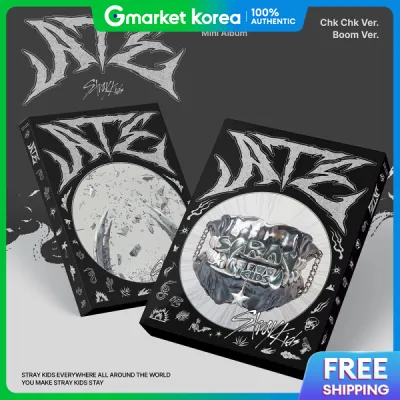
![STRAY KIDS - MIni Album [ ATE ]](https://img.lazcdn.com/g/p/6d6c4e06bb5265b38605359ada029ec4.jpg_400x400q80.jpg_.webp)

Prices are valid at publication and may change. Please refer to the product page for the latest price.
Beyond standard inclusions, the physical packaging format itself plays a major role in collectibility. Stray Kids releases frequently depart from standard photobook designs to offer specialized formats such as Jewel Cases, Digipacks, and digital-interactive Nemo or Platform editions. These formats appeal to different types of collectors, from those who prefer traditional physical media displays to those who favor minimalist, space-saving designs. The unique aesthetic choices of each format—ranging from metallic finishes to custom outer sleeves—make them distinct display pieces on a collector’s shelf.
Pre-order benefits (POBs) represent another critical layer of collectibility. These are exclusive items, such as extra photocards, mini-posters, or sticker sheets, that are distributed only with albums purchased during the official pre-order window. Because POBs are produced in limited quantities and are tied to specific Korean music distributors, they are rarely included in later pressings. Consequently, a first-press album containing all its original pre-order benefits holds significantly higher collectible value than a standard retail version purchased months after the release date.
The print status of an album heavily influences its availability and secondary market demand. Once an album goes out of print (OOP), obtaining a complete copy becomes increasingly difficult, often requiring collectors to navigate secondary markets. First-press editions, which are the very first batch of albums manufactured, sometimes contain structural differences, unique editorial booklets, or limited-edition tracklists that are omitted from subsequent reprints.
Because of these variations, collectors must always verify the exact version, format, and included items before making a purchase. Relying solely on the cover art or the album title can lead to disappointment, as manufacturers often release multiple versions of the same album with identical covers but completely different internal contents. Always read the product specifications carefully to confirm whether you are purchasing a limited, special, or standard edition, and verify which inclusions are guaranteed to be inside the package.
Notable Stray Kids Special and Limited Editions
Over the course of their career, Stray Kids have released a diverse array of special and limited editions that cater to different aesthetic preferences and collecting goals. These releases showcase the group’s evolving musical concepts while offering physical packaging that stands out from standard photobook formats. Understanding the structural and conceptual differences among these editions is essential for identifying which versions best fit your collection.

Jewel Case and Digipack Editions
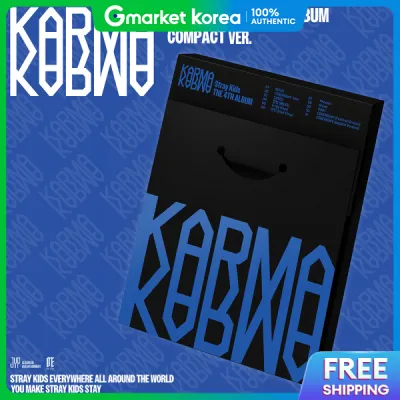
Jewel Case and Digipack editions represent a more traditional, CD-focused approach to physical music collecting. While standard K-pop albums are often housed in large, heavy photobooks, Jewel Cases (utilizing classic hard plastic shells) and Digipacks (made of heavy cardstock) offer a compact, uniform alternative. Releases such as the Jewel Case versions of ODDINARY and the Digipack versions of MAXIDENT are highly favored by collectors who appreciate a clean, standardized layout on their shelves.
These compact editions are designed to highlight individual members, with outer covers, CD art, and booklet photography often dedicated to a single group member. This makes them highly collectible for fans who wish to collect the specific version of their favorite member (often referred to as their “bias”). Additionally, these editions frequently include exclusive tracklist cards, mini-posters, and photocard sets that differ entirely from the concepts featured in the larger, standard photobook versions of the same album.
When purchasing Jewel Case or Digipack editions, physical media collectors must pay close attention to the contents and regional compatibility. Always verify that the physical CD is actually included in the purchase, especially when buying from secondary markets where sellers sometimes remove the media. Furthermore, if you plan to play the CD on local hardware in the Philippines, check the region code of the disc and your playback device to ensure compatibility, as some physical media releases are locked to specific geographical regions.
Nemo and Platform Digital Versions
As the music industry shifts toward eco-friendly and digital-first alternatives, digital album formats like Nemo and Platform versions have gained significant traction among collectors. These versions, such as the Nemo edition of the album ATE, do not contain a physical CD. Instead, they feature an extremely compact outer box containing a set of physical photocards, a QR card, and sometimes small lyric booklets or stickers.
The primary appeal of Nemo and Platform versions lies in their exclusive digital-interactive content and high-quality physical photocards. By scanning the included QR code using a dedicated mobile application, collectors can access digital versions of the album’s tracklist, exclusive digital photo galleries, and specialized video content. This format is ideal for fans who prioritize digital interaction and photocard collecting but have limited physical storage space for large photobooks or CD cases.
However, these digital formats come with specific technical dependencies that collectors must consider before buying. Accessing the digital content requires a compatible smartphone or tablet and a stable internet connection to download and run the associated application. Because these platforms rely on third-party app stores and developer support, collectors should verify that the required application is compatible with their device’s operating system and remains active in their region. Despite the lack of physical disc media, their unique packaging and exclusive physical cards make them highly official and valuable additions to a modern collection.
Winter Specials and Single Albums
Seasonal releases and single albums occupy a unique space in the Stray Kids discography, often featuring distinct production runs and highly creative packaging concepts. Notable examples include the holiday-themed winter special Christmas EveL and various entries in the group’s Mixtape series. Because these releases are tied to specific seasons or promotional cycles, they are often produced in smaller quantities compared to major studio albums, making them highly sought-after once their initial release window closes.
The physical design of these seasonal and single releases often departs dramatically from standard album structures. They may utilize unconventional materials, unique geometric shapes, or specialized holiday-themed outer sleeves that stand out prominently in a physical display. The visual concepts are typically highly specific—such as festive holiday motifs or retro-inspired designs—offering a refreshing aesthetic contrast to the group’s main conceptual eras.
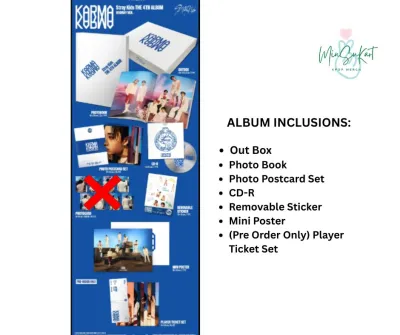
Because single albums and winter specials typically feature shorter tracklists, their physical packaging may contain fewer total inclusions than a full-length studio album. For instance, they may feature smaller photobooks or a reduced number of random photocard slots. When collecting these specific releases, it is vital to cross-reference the official packaging preview to verify the exact list of inclusions. This ensures you know exactly what should be inside the box and can verify the completeness of the album, whether purchasing it brand new or secondhand.
Comparing Stray Kids Album Formats for Collectors
To help you decide which physical formats align best with your personal display preferences, storage capacity, and usage habits, it is helpful to compare their structural characteristics. The table below outlines the key differences between the primary album formats available for Stray Kids releases.
| Format Type | Physical Size/Storage Needs | Key Collectible Features | Best For |
|---|---|---|---|
| Standard Photobook | Large footprint; requires significant shelf space and heavy shelving. | Extensive photobooks, multiple random photocards, large posters, and diverse physical inclusions. | Detailed visual displays, comprehensive concept art, and traditional physical collecting. |
| Jewel Case | Compact and standardized; fits easily on standard CD racks. | Member-specific cover art and CD designs, exclusive compact booklets, and unique tracklist cards. | CD playback enthusiasts, uniform shelf displays, and member-specific collectors. |
| Digipack | Slim and lightweight; easily stackable but prone to edge wear. | Cardstock packaging, member-specific concepts, exclusive photocard selections, and compact physical footprint. | Space-conscious collectors who still want physical CD media and member-focused artwork. |
| Nemo / Platform | Pocket-sized; minimal storage space required. | Physical QR code cards, high-quality exclusive physical photocard sets, and app-based digital content. | Portability, photocard-centric collectors, and fans who prefer digital media access over physical CDs. |
How to Buy and Verify Stray Kids Albums in the Philippines
Navigating the K-pop market in the Philippines requires a strategic approach to ensure you are purchasing authentic merchandise and securing the highly valued pre-order benefits. To guarantee the authenticity of your stray kids album, it is highly recommended to purchase from established, official channels. These include the global Weverse Shop, official brand storefronts on major e-commerce platforms, and authorized local K-pop distributors who import directly from South Korean music charts like Hanteo and Circle Chart.
When shopping on local e-commerce platforms, look for stores that carry official partner badges or are recognized as authorized distributors. Be cautious of individual sellers offering prices that seem unrealistically low, as counterfeit physical albums, while rare, do exist, and unauthorized reprints of photocards are highly common. Buying from verified stores ensures that your purchase directly supports the artists on official music charts and guarantees that you receive genuine, high-quality goods.
To verify the authenticity of a physical album upon arrival, perform a detailed inspection of the packaging and its security features:
- Holographic Security Seal: Look for the official holographic sticker on the back of the album. These stickers, typically issued by distributors like Dreamus, YG Plus, or Kakao Entertainment, feature distinct reflective patterns and serial numbers that are difficult to replicate.
- Print and Paper Quality: Examine the print quality of the outer sleeve, photobook, and photocards. Authentic releases feature sharp, high-resolution images, accurate color grading, and clean, professional typography. Counterfeit items often exhibit blurry text, pixelated images, or flimsy paper stock that feels unusually thin or rough.
- Pre-Order Benefits (POBs): If you purchased the album during the pre-order period, verify that the correct POBs are included. Cross-reference your items with official unboxing videos published by the group's official channels or trusted community creators to confirm that the packaging layout, card textures, and inclusion counts match the official specifications.
Preserving Your K-Pop Collection in a Tropical Climate
Maintaining a physical music collection in the Philippines presents unique environmental challenges due to the country’s tropical climate. High humidity, elevated temperatures, and intense ambient light can cause rapid degradation of paper goods, cardboard packaging, and plastic coatings. Without proper care, albums can warp, pages can stick together, and the vibrant colors on covers and photocards can fade over time.
To protect your collection from moisture damage, store your albums upright on sturdy shelves in a cool, dry room. Avoid placing your display shelves against external walls, as these walls can transfer moisture and heat from the outside, leading to localized humidity buildup. Keep your collection away from direct sunlight; UV rays are highly destructive to printed ink and will cause permanent yellowing of paper and fading of cover art.
Controlling moisture within your storage areas is essential for preventing mold and mildew. If you store your albums or extra inclusions in closed plastic bins or cabinets, place several silica gel packets inside to absorb excess moisture. For highly valuable items like photocards, place them in individual protective sleeves. Ensure that these sleeves are explicitly labeled as acid-free and PVC-free (polyvinyl chloride). Standard PVC plastics contain plasticizers that degrade over time, creating a sticky residue that can chemically bond with and ruin the surface of your cards.
Finally, establish clean handling habits to preserve the physical integrity of your items. Always wash and thoroughly dry your hands before handling your albums, photobooks, or photocards. Natural skin oils, sweat, and moisture can leave permanent fingerprints on glossy paper surfaces and attract dust, which accelerates the degradation of the materials. By taking these simple, preventative steps, you can ensure that your collection remains in pristine condition for years to come.
Frequently Asked Questions (FAQ)
Are Stray Kids Nemo albums considered official collectibles?
Yes, Nemo albums are official, licensed releases produced under the authority of the group’s agency. Although they do not contain a physical CD, they are fully recognized on official South Korean music charts. Their collectible value is driven by their compact, unique packaging, exclusive physical photocard sets, and the specialized digital content accessed via QR code, making them highly legitimate additions to any collection.
How can I tell if a Stray Kids album is fake?
You can identify a fake album by checking for the absence of a holographic security sticker on the back cover, or by noticing if the sticker is easily peeled off or lacks reflective depth. Additionally, counterfeit albums often have blurry text on the tracklist, incorrect fonts, poor color saturation in the photobook, and unusually thin, flimsy paper. Comparing your items directly with official unboxing videos and verifying the seller’s reputation are highly effective ways to confirm authenticity.
Community discussion
Share your experience or ask a question. Comments are reviewed before publication.