
Choosing the right hardware is just as critical as selecting your drums and brass. If you are building or expanding your drum kit, the type of cymbals stand you select determines how securely your instruments are held, how easily you can reach them, and how much floor space remains for your pedals and feet. The decision between a straight stand, a boom stand, and a hi-hat stand comes down to three factors: the specific cymbal you are mounting, the layout of your kit, and the physical constraints of your playing area.
Straight stands offer simple, vertical stability for heavy rides and primary crashes. Boom stands provide adjustable arms that let you position effects cymbals over other drums or squeeze hardware into tight corners. Hi-hat stands are specialized, pedal-driven units designed exclusively to control your hi-hat pair. By assessing your layout and performance needs, you can choose the ideal combination of stands to build an ergonomic, stable, and road-worthy drum setup.
Step 1: Diagnose Your Space, Cymbals, and Playing Style
Before purchasing any hardware, you must carefully evaluate your physical drumming environment. If you frequently play in cramped barangay halls, small bar stages in Metro Manila, or tight home rehearsal spaces, floor real estate is at a premium. Take a moment to map out your available floor space. Note any physical obstacles, such as the legs of your snare stand, the footprint of your throne, or the placement of your bass drum pedals. Drumming on a slick tiled floor requires different stability considerations than playing on a heavy carpeted drum rug, where spur anchors and rubber feet can grip effectively. High humidity levels in tropical climates also mean you should look for robust chrome plating and high-quality alloy joints that resist corrosion over time.
Products mentioned in this guide
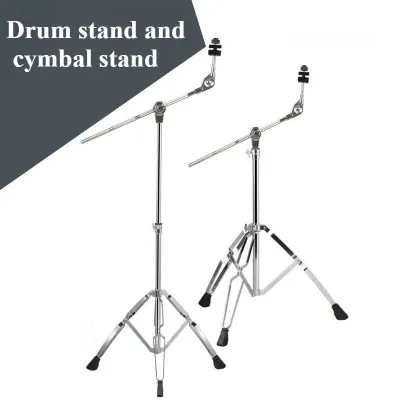
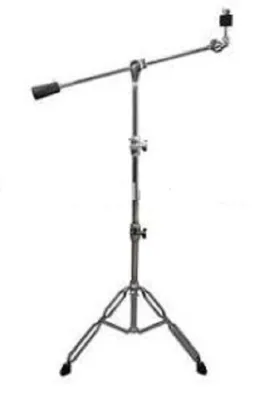
Prices are valid at publication and may change. Please refer to the product page for the latest price.
Next, catalog the specific cymbals in your collection and determine where they need to sit. A standard setup typically includes a pair of hi-hats on the left (for right-handed players), a primary crash, and a heavy ride cymbal. If you plan to expand with splash cymbals, china effects, or secondary crashes, each addition requires a dedicated support strategy.
Finally, analyze your playing style. Heavy hitters who play rock, metal, or high-energy local band sets require heavy-duty, double-braced stands that can withstand intense vibrations without creeping across the floor. Conversely, jazz, fusion, or acoustic session players might prioritize lightweight, single-braced hardware that is easy to pack into a hardware bag and transport via local transit.
Step 2: Evaluate Straight Cymbals Stands for Stability and Core Cymbals
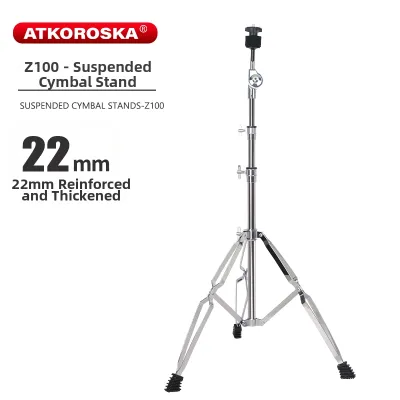
The straight cymbals stand is the classic foundation of drum hardware. Featuring a vertical, telescoping tube assembly supported by a tripod base, its design is elegant in its simplicity. Because there are no jointed arms or extending parts, the weight of the cymbal sits directly over the center of the tripod. This vertical alignment provides excellent weight distribution and structural integrity.

Most straight stands feature double-braced legs for maximum stability, though lightweight single-braced models are popular for gigging drummers who want to minimize gear weight. The telescoping tubes allow you to adjust the height using robust wing bolts or memory locks, ensuring the cymbal remains securely at your preferred playing level.
Ideal Scenarios for Straight Stands
Straight stands are highly recommended for your heaviest cymbals, particularly large ride cymbals (often 20 to 22 inches in diameter) and primary crash cymbals. Placing these heavy, high-momentum instruments directly over a vertical support column prevents the stand from wobbling or tipping during heavy play.
These stands are also ideal for drummers who prefer a clean, traditional aesthetic with minimal visual clutter. If your kit layout allows you to position your crashes and rides at the outer perimeter of your setup—where they do not need to hang over your rack toms—straight stands offer the most reliable and cost-effective solution.
Space and Positioning Limitations
The primary drawback of a straight stand is its lack of lateral flexibility. Because the cymbal must sit directly above the vertical tube, you must place the physical tripod base exactly where you want the cymbal to hang.
This requirement can create significant hardware conflicts on the floor. The wide tripod footprint can easily collide with your bass drum spur, your snare stand legs, or double bass drum pedals. If you attempt to pull the cymbal closer to your body, the stand’s base must also move closer, potentially crowding your feet and restricting your leg movement.
Step 3: Evaluate Boom Stands for Flexibility and Tight Spaces
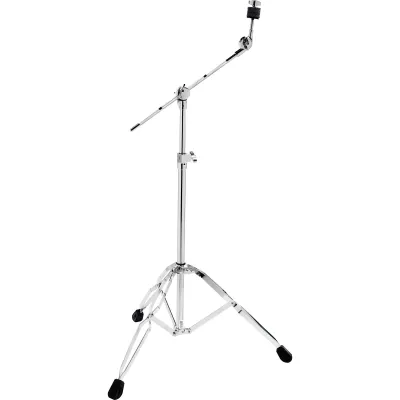
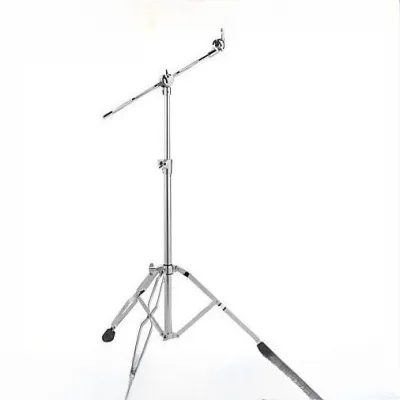
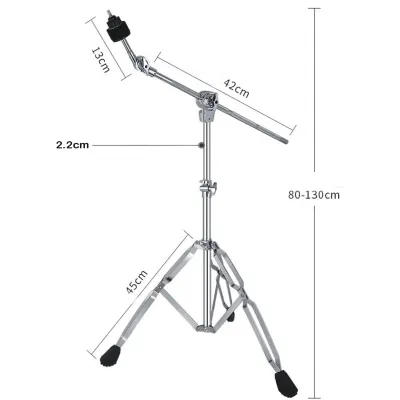
When vertical placement is not enough, a boom cymbals stand provides the necessary reach and adaptability. A boom stand features a standard vertical base section but adds an adjustable extension arm (the boom arm) at the top joint. This arm can tilt, rotate, and slide horizontally, allowing you to position the cymbal several inches or even feet away from the vertical support column.
High-quality boom stands feature robust tilters—often utilizing toothless or gearless mechanisms—that allow for precise angle adjustments. Many models also include counterweights at the opposite end of the boom arm to balance heavy cymbals, or hollow boom arms that allow the extension rod to slide down inside the main vertical tube when not in use.
Ideal Scenarios for Boom Stands
Boom stands are essential when you need to position cymbals in hard-to-reach areas without moving the stand’s base. For example, if you want to hang a splash cymbal directly between your rack toms, or position a china cymbal over your floor tom, a boom stand allows you to project the cymbal over the drums while keeping the tripod legs safely out of the way.
This flexibility is incredibly valuable on tight stages where floor space is shared with other band members. You can position the tripod base of a boom stand far to the side, tucking the legs under other hardware or behind your bass drum, and use the boom arm to bring the cymbal exactly where your hands need it.
Balancing Weight and Preventing Tipping
Because boom stands hold weight away from their center of gravity, they are inherently more prone to tipping than straight stands. To prevent costly damage to your cymbals or injury to bandmates, you must follow proper physical setup principles.
First, check the manufacturer’s specified weight capacity for the stand. When extending a heavy cymbal on a boom arm, always position the stand so that one of the three tripod legs points directly in the same direction as the extended boom arm. This configuration acts as a physical counter-lever to support the forward-leaning weight. Avoid over-extending the boom arm past its safe limits, and ensure all memory locks are tightened securely to prevent the arm from slipping mid-performance.
Step 4: Select the Right Hi-Hat Stand for Your Footwork
Unlike standard support stands, a hi-hat stand is an active, mechanical component of your drum kit. It is designed specifically to hold a pair of hi-hat cymbals and control their open-and-closed action via a foot pedal. The stand features an internal pull rod connected to the pedal board, which runs up through the center of a vertical tube to a specialized clutch holding the top cymbal.
When shopping for a hi-hat stand, your first major decision is the leg configuration. Standard three-legged stands offer excellent stability but can crowd the left side of your kit. If you use a double bass drum pedal, a three-legged stand can make it difficult to position the slave pedal comfortably. To solve this, many manufacturers offer two-legged hi-hat stands with heavy-duty base plates, or even legless models designed to clamp directly to your bass drum or a multi-clamp rack system.
You should also evaluate the drive system of the pedal. Entry-level models often use a direct-pull or radius-rod mechanism, while professional stands utilize single or double chain drives, or even direct-drive cams. These systems change the resistance, speed, and overall feel of the foot pedal.
Finally, check the pull rod length and clutch compatibility. Ensure the rod is long enough to accommodate your preferred playing height, and verify that the included clutch fits the mounting hole and bell shape of your top hi-hat cymbal. Standard clutches work well for most setups, but heavy-duty quick-release clutches are highly recommended for gigging drummers who need to tear down their gear quickly after a set.
Final Decision: Matching Your Diagnosis to the Right Hardware
To build the ultimate drum kit, most players find that a hybrid approach works best. Rather than choosing only one type of stand, you should mix and match your hardware based on the specific role of each cymbal in your setup. Use straight stands where you have open floor space and need rock-solid support, boom stands to navigate crowded spaces and position effects, and a dedicated hi-hat stand that matches your pedal preferences.
The following comparison table summarizes the key differences to help you choose:
| Stand Type | Base Footprint | Cymbal Placement Flexibility | Stability Level | Best Use Case |
|---|---|---|---|---|
| Straight Stand | Large, rigid footprint directly under the cymbal | Low (vertical adjustment only) | Extremely High (centered weight) | Heavy rides, primary crash cymbals, minimalist setups |
| Boom Stand | Flexible footprint (can be positioned away from cymbal) | High (360-degree rotation and reach) | Moderate to High (requires proper leg alignment) | Splash cymbals, chinas, positioning over toms, tight stages |
| Hi-Hat Stand | Variable (2-leg, 3-leg, or legless options) | Specialized (vertical pedal-operated alignment) | High (stabilized by pedal base plate) | Paired hi-hat cymbals only |
Before finalizing your purchase, use this quick checklist to verify your selection:
- Quantity Check: Do you have a dedicated stand for every cymbal, including splash and effects cymbals?
- Pedal Clearance: If using a double pedal, have you selected a two-legged or rotating-leg hi-hat stand?
- Accessory Inspection: Do your chosen stands come complete with plastic sleeves, felt washers, and wingnuts? If not, purchase these separately to protect your gear.
Essential Setup and Safety Checks for Cymbal Stands
Once you have selected your stands, proper assembly and maintenance are crucial to protect your investment. Metal-on-metal contact is the leading cause of ‘keyholing’—a defect where the center hole of a cymbal wears into an oval shape, eventually causing cracks. Always ensure that every cymbals stand is equipped with a clean plastic or rubber sleeve over the threaded post, bordered by thick felt washers on both the top and bottom of the cymbal.
When securing your cymbals, resist the urge to crank the top wingnut down tightly. Cymbals are designed to flex and swing when struck; this motion dissipates the energy of the stick impact. If you lock a cymbal down rigidly, that energy is trapped within the metal, dramatically increasing the risk of edge cracks and stress fractures.
Finally, perform routine hardware maintenance. Periodically inspect all tilter joints, memory locks, and tripod clamps to ensure they are free of stripped threads. In humid environments, wipe down the chrome tubes with a dry microfiber cloth after outdoor gigs to prevent sweat and moisture from causing rust and pitting.
Frequently Asked Questions (FAQ)
Can I convert a boom stand into a straight stand?
Yes, most modern boom stands are designed with convertible features. You can loosen the boom arm clamp, slide the boom arm down inside the main vertical telescoping tube, and lock it in place. This effectively converts the hardware into a straight stand. However, keep in mind that the stand will still retain the heavier weight, larger joint castings, and wider tripod footprint of a standard boom stand, even when configured in this straight position.
Do I need a special stand for heavy ride cymbals?
Yes, heavy ride cymbals require robust support due to their weight and the force of repetitive stick strikes. When mounting a heavy ride, look for a heavy-duty, double-braced straight stand or a premium, thick-tubed boom stand. Verify the manufacturer’s specified tube diameter and weight capacity before purchasing. Avoid using lightweight, single-braced boom stands for heavy rides, as the off-center weight can easily cause the stand to sway, creep, or tip over mid-performance.
Community discussion
Share your experience or ask a question. Comments are reviewed before publication.