
Quick Guide to Starting a Second-Hand Fiction Collection
Building a personal library does not require a massive financial investment. Collecting pre-loved books allows readers to discover literary treasures, preserve cultural history, and enjoy the tactile pleasure of physical reading at a fraction of the cost of new releases. In the Philippines, where tropical humidity and storage constraints present unique challenges, starting a second-hand fiction collection requires a thoughtful approach. By focusing on durable editions and culturally significant English and Tagalog novels, you can curate a meaningful library that stands the test of time. This guide outlines how to inspect used books, which foundational titles to seek out, and how to source them safely.
How to Inspect Pre-Loved Books Before Buying
When purchasing pre-loved books, physical inspection is your primary defense against structural decay and environmental damage. The tropical climate of the Philippines introduces specific risks, such as high humidity and paper-eating pests, making a thorough quality check essential before any transaction.

Begin by evaluating the binding and spine integrity. Open the book to several random pages and observe the gutter where the pages meet the spine. If you hear cracking sounds or notice individual pages pulling away from the binding, the glue has likely become brittle from age or heat exposure. A compromised spine is difficult and expensive to repair, so it is generally best to pass on books with loose bindings unless they are exceptionally rare.
Products mentioned in this guide
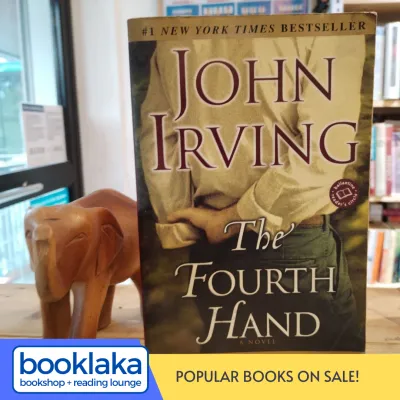
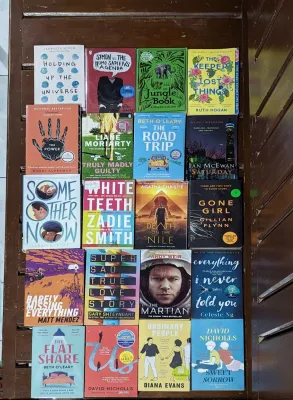
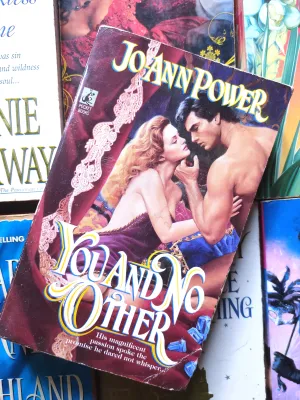
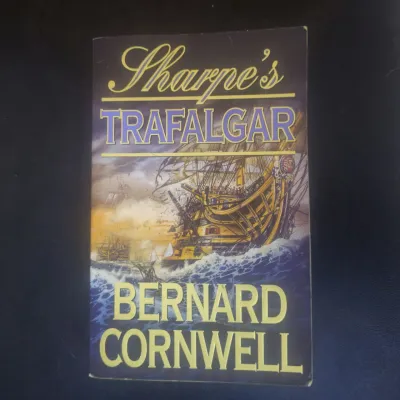
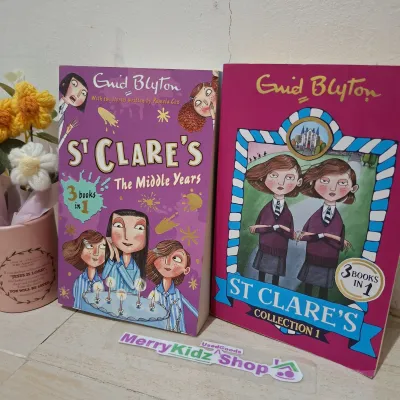
Prices are valid at publication and may change. Please refer to the product page for the latest price.
Next, examine the pages for discoloration. It is important to distinguish between acceptable age-related page discoloration, known as foxing, and active mold or mildew. Foxing appears as stable, light-brown spots caused by the oxidation of iron or impurities in older paper. It does not spread or damage other books.
In contrast, active mold or mildew presents as fuzzy white, grey, green, or black patches. Mold often feels slightly damp, leaves a powdery residue when touched, and carries a strong, pungent odor. Never introduce a moldy book into your collection, as the spores can quickly spread to your healthy volumes.
You must also verify the completeness of the text. Flip through the book to ensure there are no missing pages, torn sections, or heavy ink markings that obscure the narrative. Pay close attention to the first and last few pages, which are most susceptible to tearing.
When sourcing books online, you cannot physically handle the items, making detailed seller communication vital. Carefully review all provided photos and look for signs of water damage, such as wavy pages or stained edges. If the listing photos are blurry or limited to the front cover, request clear, high-resolution images of the spine, the top and bottom edges, and the copyright page. Reliable sellers on online marketplaces are usually willing to provide these details or even a quick video flip-through to confirm the book’s condition.
Foundational English Novels to Seek Out
A well-rounded pre-loved collection benefits greatly from a solid foundation of English literature. When browsing second-hand shelves, focus on classic literary fiction and contemporary award-winning novels that have demonstrated lasting cultural relevance. These works are frequently reprinted, meaning the second-hand market is often flooded with various editions, allowing you to be selective about quality and price.
To build a collection that ages gracefully, pay close attention to the publisher and the physical format of the book. Trade paperbacks are generally the most practical choice for collectors. They are larger than mass-market paperbacks, feature wider margins, and are typically printed on higher-quality, acid-free paper that resists yellowing and brittleness.
Reputable publishers like Penguin Classics, Vintage, Everyman’s Library, and Picador are known for producing durable trade paperbacks that hold up well over decades of reading. Mass-market paperbacks, while highly economical and portable, are printed on cheap wood-pulp paper that degrades rapidly in humid environments, making them less ideal for long-term collecting.
When hunting for English novels, you will need to balance the ease of finding widely available classics with the thrill of searching for out-of-print contemporary gems. Classic novels by authors such as George Orwell, Jane Austen, and Gabriel García Márquez are easy to find in almost any used bookstore. Because of their abundance, you should hold out for copies in excellent condition.
On the other hand, contemporary literary fiction, modern translations, or specific award-winning titles may require more patience to locate. Establish clear personal criteria for when to accept a well-loved copy versus when to wait for a pristine edition.
A reading copy with minor spine creasing, neat owner signatures, or slight shelf wear is perfectly acceptable for everyday reading and adds character to your shelves. However, for centerpiece volumes or books you plan to reread many times, it is worth waiting for a clean, unmarked copy with tight binding and minimal cover wear.
Essential Tagalog Novels to Hunt Down
Collecting pre-loved Tagalog novels is a deeply rewarding pursuit that connects you directly to the rich literary heritage of the Philippines. Tagalog literature offers profound cultural insights, social commentary, and historical perspectives that are essential for any local collection.
To start, familiarize yourself with key historical and contemporary Tagalog literary movements and seminal authors. Look for the works of legendary writers such as Lualhati Bautista, whose novels explore women’s struggles and social awakening during pivotal eras. Seek out the powerful social realism of Edgardo M. Reyes, or the classic prose of Amado V. Hernandez. These authors have shaped the landscape of local fiction, and their books remain highly sought after by collectors.
Unlike widely printed English classics, older Tagalog novels are subject to inherent scarcity. Local publishing houses historically produced smaller print runs, and many classic titles have not been reprinted in decades. Furthermore, the lack of climate-controlled storage in older homes means that surviving copies of early editions are often fragile.
When searching for these rare gems, you must adjust your condition expectations. Minor cover scuffs, yellowed pages, and slight insect damage are common in older Tagalog paperbacks; finding a copy with intact text and stable binding is often a major victory.
As you build your collection, pay attention to the language editions available. Decide whether you want to focus on pure Tagalog texts, which offer a rich and formal linguistic experience, or modern bilingual and Taglish publications that reflect contemporary urban speech patterns. Both formats have distinct cultural value.
Prioritize titles that offer deep cultural context and are rarely featured in modern commercial bookstore runs. These are the pieces that will give your library its unique character and historical depth.
Where to Source and Verify Second-Hand Books
Finding quality pre-loved books in the Philippines requires exploring both physical and digital spaces. Each channel offers unique advantages and requires specific strategies to ensure you get genuine, well-preserved copies.
Physical sourcing remains one of the most enjoyable aspects of book collecting. Local used bookstores, thrift shops, and warehouse clearance sales are excellent places to browse. These venues allow you to physically inspect the books before buying, eliminating the risk of hidden damage.
University surplus sales and community book exchanges are also fantastic resources, often yielding academic titles, literary journals, and rare local publications at very low prices.
When navigating online marketplaces and social media buy-and-sell groups, extra caution is necessary. Always check the seller’s ratings and read reviews from previous buyers to verify their reliability. Look for sellers who specialize in books, as they are more likely to understand proper book grading and storage.
When purchasing online, always clarify the return and refund policies. If a book arrives with undisclosed water damage, missing pages, or severe mold, you should have a clear path for dispute resolution through the platform’s customer support.
To maximize your collecting budget, consider negotiating bulk purchases when buying multiple titles from a single online vendor. Many sellers are willing to offer discounts or combined shipping rates to clear their inventory.
Additionally, building a friendly relationship with trusted local vendors can give you an advantage. You can ask them to set up alerts or hold specific titles for you when new shipments of pre-loved books arrive.
Frequently Asked Questions (FAQ)
How do I remove the musty smell from pre-loved books?
A musty odor is a common issue with second-hand books, especially those stored in humid environments. To safely remove this smell without damaging the paper or binding, place the book in a dry, well-ventilated room with gentle air circulation.
You can use an odor-absorbing material such as baking soda, activated charcoal, or clean unscented cat litter. Place the absorbent material in a large plastic container, then place the book inside a smaller, open container or on a clean rack above the absorbent material. Seal the outer container for several days to allow the material to draw out the moisture and odor.
Avoid exposing the book to direct sunlight, hair dryers, or microwave ovens, as extreme heat can warp the pages, melt the binding glue, and cause the paper to become extremely brittle. Never spray liquid deodorizers or harsh chemical disinfectants directly onto the pages. If the musty smell persists and is accompanied by visible fuzzy growth or dampness, this indicates active mold. In such cases, it is safest to discard or isolate the book to protect the rest of your collection from contamination.
Are hardcover editions always better for a pre-loved collection?
While hardcover editions are often associated with premium quality, they are not always the best choice for every pre-loved book collection. Hardcovers do offer greater structural durability, as their rigid boards protect the text block and the stitched bindings tend to last longer than the glued spines of paperbacks. They also look impressive on shelves and are highly prized by collectors of rare or first editions.
However, hardcovers have practical drawbacks, particularly for collectors on a budget or with limited space. They are significantly heavier, require sturdier shelving, and take up more physical space than paperbacks.
In humid tropical climates, the cloth and cardboard used in hardcover bindings can absorb moisture, making them susceptible to warping and mold if not kept in a climate-controlled room. A well-preserved trade paperback, printed on acid-free paper, is often a highly practical, affordable, and space-saving alternative that offers excellent longevity without the premium price tag.
Community discussion
Share your experience or ask a question. Comments are reviewed before publication.