
Starting a dual-language reading journey is one of the most rewarding ways to build vocabulary, improve cognitive flexibility, and enjoy diverse storytelling. For readers in the Philippines, collecting pocket books offers an affordable and highly portable entry point into both English and Tagalog literature. By balancing accessible contemporary English fiction with modern, conversational Tagalog novels, you can develop a consistent reading habit without experiencing cognitive fatigue.
Selecting the right books requires understanding how local publishing formats work, assessing your current language comfort level, and choosing genres that match your reading pace. This guide provides a practical framework to help you curate a balanced, enjoyable, and budget-friendly dual-language pocket book collection.
Understanding the Local Pocket Book Format
To build a successful collection, it helps to understand the physical and economic characteristics of pocket books in the local market. Locally published pocket books are specifically designed for high portability and affordability. They typically feature compact dimensions, often measuring around 4 by 7 inches, which makes them easy to slip into a bag or carry during a daily commute.
Products mentioned in this guide
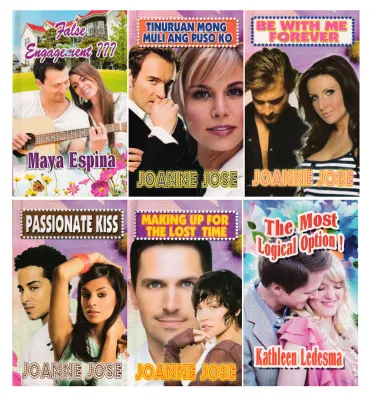

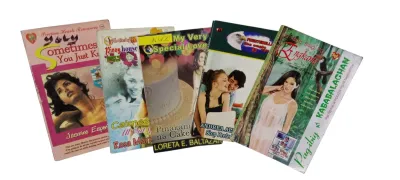

Prices are valid at publication and may change. Please refer to the product page for the latest price.
Unlike imported mass-market paperbacks that often use heavier wood-free paper, local pocket books are generally printed on lightweight newsprint or cream-colored paper. This choice of material keeps the books incredibly light, though it does require careful storage. In a humid tropical climate, newsprint is highly susceptible to moisture, yellowing, and warping over time. Storing your collection on open, well-ventilated shelves away from direct sunlight and using silica gel packets in closed storage boxes can help preserve the pages.
From a budget perspective, locally printed fiction is exceptionally accessible. These books are generally priced between ₱50 and ₱250, making them a highly economical choice for avid readers. In contrast, imported mass-market paperbacks typically range from ₱350 to ₱700 or more due to international shipping costs, licensing fees, and import duties.
Finding these books is relatively straightforward if you know where to look. Major national bookstore chains frequently dedicate specific shelves to local romance, thriller, and fantasy pocket books. Additionally, independent local publishers and direct-to-consumer online bookstores offer extensive catalogs that allow you to purchase directly from the source, often with bundle discounts.
Assessing Your Language Comfort Level
Before purchasing a stack of books, evaluating your current reading proficiency in both languages can prevent frustration and reading fatigue. Reading fatigue occurs when your brain works too hard to process unfamiliar vocabulary, complex sentence structures, or cultural idioms. Signs of fatigue include reading the same paragraph multiple times, experiencing mild headaches, or losing interest in the plot.

When exploring local fiction, you will encounter a wide spectrum of language styles. Modern Tagalog pocket books often utilize conversational Taglish, which mirrors the everyday spoken language of urban areas. This style is highly accessible and serves as an excellent starting point for beginners. On the other hand, classic or literary Tagalog novels use formal, deeper vocabulary and complex grammatical structures that require a higher level of concentration.
To determine if a book matches your current comfort level, perform a quick vocabulary density test before buying. Open the book to any random page in the middle and read it completely. If you encounter more than five words that you do not understand or that require you to look up definitions, the book may cause reading fatigue. Aim for books where you understand roughly eighty to ninety percent of the vocabulary, allowing you to learn new words through context without disrupting your reading flow.
Using digital previews, back-cover summaries, or first-page samples on publisher websites is an excellent way to test vocabulary density. This simple check ensures that your investment in a physical book aligns with your current reading stamina and comprehension skills.
Choosing Accessible English Pocket Books
For readers looking to build confidence in English, selecting the right genre is crucial. Start with contemporary genres that feature straightforward narrative structures, fast pacing, and everyday dialogue. Cozy mysteries, contemporary romance, and young adult fiction are ideal because they rely on conversational English rather than dense, archaic prose or highly technical jargon.
Another highly effective strategy is to seek out English novels written by Southeast Asian authors. These writers often incorporate familiar cultural contexts, family dynamics, and tropical settings that resonate with your daily life. Reading about familiar food, local transportation, and recognizable social norms reduces the cognitive load, allowing you to focus entirely on the language and story progression rather than decoding unfamiliar Western cultural references.
When browsing for English pocket books, always verify the edition details and read brief reader summaries online. Look for reviews that mention the writing style, pacing, and language accessibility. Avoid books that rely heavily on dense regional dialects, historical slang, or highly experimental prose structures until you feel fully comfortable with standard contemporary English.
Finding Engaging Modern Tagalog Novels
Navigating the world of Tagalog fiction is highly rewarding once you know how to identify modern, accessible writing. Mass-market Tagalog pocket books, particularly contemporary romance and slice-of-life drama, are specifically written to be engaging and easy to read. They avoid the archaic, highly formal phrasing found in academic textbooks, making them perfect for developing natural reading flow.
Popular local themes often revolve around relatable daily experiences, such as workplace dynamics, family relationships, and modern adaptations of local folklore. These familiar themes make the characters instantly recognizable, helping you stay emotionally invested in the story even if you occasionally encounter unfamiliar words.
To find the right balance, check the book descriptions and publisher labels. Some local publishing houses specialize exclusively in light, conversational Taglish romance, while others focus on contemporary literary fiction written in structured, standard Tagalog. Identifying these publisher niches helps you select books that match your exact language preferences and reading goals.
Building and Managing Your Dual-Language Reading List
Maintaining a consistent reading habit requires a sustainable system for sourcing, organizing, and rotating your books. To source books effectively, make a habit of visiting the local literature sections of physical bookstores, which are often organized by publisher. Additionally, exploring the official websites of local publishing houses can give you access to complete series and backlists that may not be available on physical shelves.
To prevent language burnout, establish a manageable rotation schedule. A simple “one-for-one” system—where you alternate between one English book and one Tagalog book—keeps your reading experience fresh and prevents your brain from tiring of a single linguistic style. If you find a particular book challenging, pair it with a lighter, faster-paced book in the other language to maintain your momentum.
Finally, track your reading progress using a simple notebook or a digital spreadsheet. Note down the title, the language, your reading speed, and how comfortable you felt with the vocabulary. Tracking these details allows you to observe your progress over time and make informed decisions when selecting your next set of pocket books.
Frequently Asked Questions (FAQ)
Are locally published pocket books generally cheaper than imported paperbacks?
Yes, locally published pocket books are significantly more affordable than imported paperbacks. This price difference is primarily due to local production processes, the use of lightweight domestic paper, and the absence of international shipping fees, customs duties, and foreign licensing markups. This affordability makes local pocket books an excellent, budget-friendly option for readers looking to build a large personal library without a significant financial investment.
How can I find Tagalog pocket books if my nearby bookstore mostly stocks English titles?
If physical bookstores in your area have limited local language sections, you can explore several alternative sourcing methods. Many local publishing houses operate direct-to-consumer websites and official stores on major ecommerce platforms, offering their entire catalogs online. Additionally, attending local book fairs, exploring independent online bookshops, or looking into digital e-book platforms that specialize in local literature can provide access to a vast selection of Tagalog titles.
Should I read the English or Tagalog version of a translated book first?
If you are reading a book that has been translated between English and Tagalog, starting with the original language version is generally recommended. Reading the original text allows you to experience the author’s authentic voice, wordplay, and cultural nuances exactly as intended. However, if the original language is highly complex, reading the translated version first can help you understand the plot and character arcs, making the subsequent reading of the original text much easier and more enjoyable.
Community discussion
Share your experience or ask a question. Comments are reviewed before publication.