
When beginning or returning to Catholic devotional reading, the sheer volume of available theology and spirituality titles can feel overwhelming. The most effective approach for beginners is to start with foundational texts that build daily prayer habits, offer relatable witness through the saints, and clarify core doctrines without requiring an advanced academic background. Whether you are browsing a local Catholic book center in the Philippines or searching through online stores, understanding what to look for will help you select materials that genuinely support your spiritual growth rather than collecting dust on a shelf.
In a tropical climate where daily commutes can be long and humid, choosing the right format and approach is essential. A portable paperback that fits easily into a bag or a digital edition that can be read on a crowded train makes it much easier to integrate spiritual reading into your daily routine. By focusing on practical prayer habits, relatable human stories, and clear explanations of core beliefs, you can build a sustainable spiritual life that fits naturally into your daily schedule.
How to Choose Your First Catholic Spiritual Books
Selecting your first spiritual book requires a clear understanding of your current spiritual needs. If you want to establish a daily conversation with God, a devotional with short, dated entries is an excellent starting point. If you are seeking inspiration on how to live out your faith amidst modern challenges, the lived experiences found in a saint’s biography will offer practical guidance. For those who want to understand the “why” behind Catholic practices, a basic doctrinal guide is the most logical choice.
Products mentioned in this guide
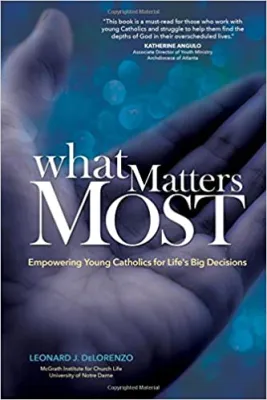
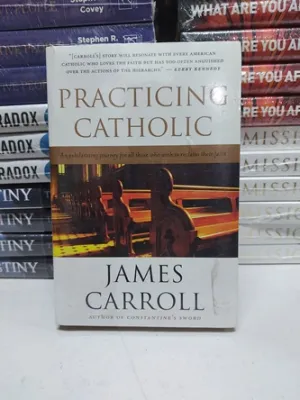
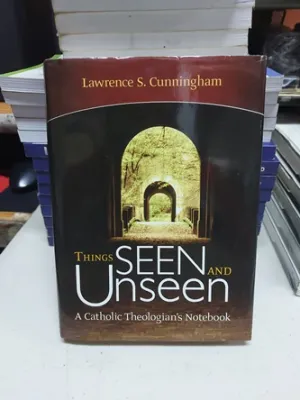
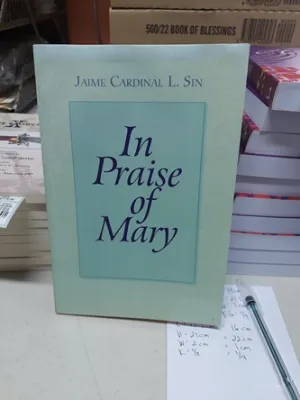
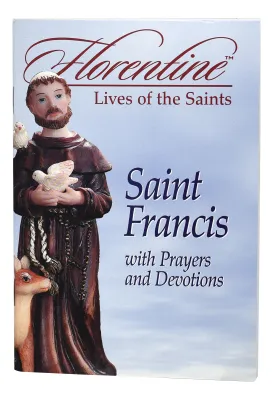
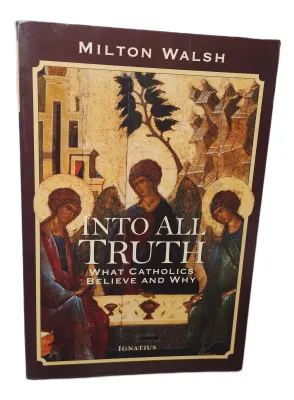
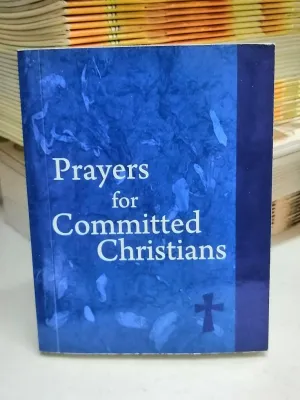
Prices are valid at publication and may change. Please refer to the product page for the latest price.
Reading level and translation style are critical factors that determine whether you will finish a book. Many classic spiritual texts were written centuries ago in highly formal, archaic language. For a beginner, look for modern translations or contemporary authors who unpack these deep concepts using relatable analogies and straightforward vocabulary. Reading a sample page or the introduction before purchasing helps you gauge whether the tone resonates with your personal reading style.
Whether you are selecting a budget-friendly paperback under ₱300 or investing in a durable hardcover, the physical format plays a significant role in your reading consistency. In a humid tropical climate, paperbacks are highly portable for commutes on public transit, but they require careful storage to prevent pages from yellowing or warping. Hardcovers offer excellent durability for a permanent home altar or bedside table but are heavier to carry. Digital editions on e-readers provide a lightweight alternative that allows you to adjust font sizes and carry an entire library, though they lack the tactile, distraction-free experience of a physical book.
Essential Reading Categories for Beginners
A well-rounded beginner’s library does not need to be vast, but it should be balanced. By focusing on three distinct categories—daily devotionals, saint biographies, and basic catechisms—you address different aspects of your spiritual development. This structured approach ensures you are not just learning facts about the faith, but also cultivating a personal relationship with God and finding inspiration in human examples.

These categories complement one another by engaging your mind, your heart, and your daily routine. While a catechism teaches you the objective truths of the faith, a saint’s biography shows those truths in action, and a daily devotional helps you speak to God about what you have learned. Balancing these three areas prevents your spiritual reading from becoming purely academic or overly emotional.
Introductions to Daily Prayer and Devotion
For most beginners, the hardest part of spiritual reading is consistency. Daily devotionals solve this by breaking reflections down into bite-sized, manageable passages, often tied to the calendar year or the liturgical seasons. When browsing a Catholic book center, look for devotionals that offer a short scripture passage, a brief reflection, and a closing prayer that takes no more than five to ten minutes to read.
These structured resources are designed to fit into a busy schedule, whether you are reading during a quiet morning before the household wakes up or during a lunch break in an air-conditioned office. Many popular local devotionals feature reflections written by contemporary laypeople and clergy, making the spiritual lessons highly applicable to daily life in the Philippines, such as dealing with traffic, family dynamics, and workplace stress.
In addition to daily reflection books, beginners should look for guides that introduce traditional Catholic prayer methods. Books that explain the mysteries of the Rosary, guide you through the steps of Lectio Divina (divine reading), or offer a simple framework for the Examen (an evening review of the day) are invaluable. Ensure the book you choose explains these practices step-by-step, demystifying the terminology so you can practice them immediately.
Always check the publication date and the target audience of the devotional. Some older devotionals use highly formal language that may feel distant or difficult to apply to modern ethical dilemmas. A contemporary edition, or a classic work that has been thoughtfully updated with modern commentary, ensures that the analogies and applications feel relevant to your current life circumstances.
Accessible Saints' Biographies and Witness Stories
Saints were real people who faced doubts, family conflicts, societal pressures, and physical illnesses. Reading their biographies bridges the gap between abstract theology and concrete human experience. However, beginners should avoid dense, multi-volume academic biographies that focus heavily on historical politics or obscure theological debates of past centuries.
Instead, prioritize narrative-driven, single-volume biographies or thematic compilations that highlight the saint’s internal spiritual journey. Look for books that emphasize how these holy men and women practiced simple, everyday virtues like patience, humility, and charity in ordinary circumstances. Knowing how a saint dealt with anxiety or family disagreements makes their holiness feel achievable rather than intimidating.
When selecting a biography, verify the author’s credentials and the publisher’s reputation. A reliable Catholic publisher ensures that the biography is historically accurate and spiritually sound, avoiding unverified legends or sensationalized accounts of miracles. The focus should always remain on the saint’s deep love for God and neighbor, which serves as a practical blueprint for your own spiritual life.
For readers in the Philippines, biographies of modern saints or those who lived in similar cultural contexts can be particularly inspiring. Books detailing the lives of catechists, young laypeople, or missionaries who worked in simple, rural, or urban poor settings offer highly relatable lessons on how to live out the Gospel in your own neighborhood.
Basic Catechism and Faith Foundations
While devotionals and biographies inspire the heart, a basic catechism informs the mind. Understanding the core doctrines of the Catholic Church protects your spiritual life from becoming based purely on fleeting emotions. However, the official, universal Catechism of the Catholic Church is a massive, highly detailed reference volume that can be intimidating for a beginner to read cover-to-cover.
Instead, look for beginner-friendly compendiums, study guides, or youth-oriented summaries. These resources present the exact same teachings but use a clear question-and-answer format, colorful diagrams, and simplified language. They break down complex topics like the sacraments, the Ten Commandments, and the Creed into digestible sections that are easy to study in short sessions.
When purchasing a catechism or faith guide, check if the edition is tailored to your local context. For instance, the Catechism for Filipino Catholics (CFC), approved by the Catholic Bishops’ Conference of the Philippines, is specifically written to address the unique cultural, social, and spiritual realities of Filipino life. It integrates doctrine, moral teaching, and worship in a way that directly connects with local traditions and devotions.
Look for editions that include helpful study aids such as a glossary of terms, reflection questions at the end of each chapter, and a comprehensive index. These features allow you to use the book not just for sequential reading, but also as a quick reference guide whenever you have a specific question about Catholic practices, holy days of obligation, or moral teachings.
What to Verify Before Buying at a Catholic Book Center
Before finalizing your purchase at a physical Catholic book center or through an online marketplace, it is essential to verify the authenticity and completeness of the book. The most reliable way to confirm that a book aligns with orthodox Catholic teaching is to look for the Imprimatur and the Nihil Obstat on the copyright page. The Nihil Obstat indicates that a Catholic censor has found nothing in the book contrary to faith or morals, while the Imprimatur is the official declaration by a bishop authorizing its publication.
If you are buying physical books, especially from third-party sellers on online marketplaces, inspect the physical quality carefully. High humidity in tropical regions can degrade poorly bound books quickly. Check that the binding is secure, the pages are not misaligned, and the print is clear and legible. If purchasing in a physical store, flip through the pages to ensure there are no printing errors, missing chapters, or blank pages.
For abridged versions of classic spiritual works, review the table of contents and the introduction. Some publishers heavily edit classic texts to reduce printing costs, sometimes omitting crucial chapters, historical context, or the author’s original footnotes. Ensure that any abridged edition you choose clearly states what has been edited and still retains the core spiritual message and necessary study aids of the original work.
Finally, verify the translation and edition details. For books like Bibles or liturgical guides, ensure the translation is approved for liturgical use in your region. Purchasing from an authorized Catholic book center or official diocesan bookstore guarantees that you are receiving complete, authorized editions while directly supporting local Catholic publishing ministries.
Building a Sustainable Spiritual Reading Habit
Buying the right books is only the first step; the real benefit comes from establishing a consistent reading habit. To prevent burnout, avoid the temptation to read for hours when you first bring your books home. Instead, set a realistic daily goal, such as reading just one or two pages of a devotional or one short chapter of a biography every morning or evening.
To protect your physical books from the tropical climate, store them in a dry, well-ventilated area away from direct sunlight. High humidity can cause pages to stick together or develop mold, so keeping your reading nook clean and dry is essential. If you prefer reading outdoors or during your commute, consider using a protective book sleeve to shield your paperbacks from sudden tropical downpours or bag damage.
Always frame your spiritual reading as a form of prayer rather than an academic chore. Begin your reading session with a brief, silent prayer asking the Holy Spirit to open your heart to the message, and close with a short prayer of thanksgiving. This simple practice transforms the act of reading into a personal encounter with God, allowing the truths you read to sink deeply into your daily actions.
Keep a simple journal next to your reading chair. Jotting down a single sentence that resonated with you, a question that arose, or a practical resolution for the day helps solidify what you have read. Over time, this journal becomes a beautiful record of your spiritual growth and a valuable resource to look back on during times of spiritual dryness or when speaking with a spiritual director.
Frequently Asked Questions (FAQ)
Do I need to read these books in a specific order?
No, there is no strict or mandatory order for spiritual reading. Your reading journey should be guided by your current spiritual needs, questions, and personal schedule. Many beginners find it easiest to start with a daily devotional because it requires only a few minutes each day and helps establish a consistent habit of prayer. Once that daily routine is firmly in place, you can gradually introduce a saint’s biography for personal inspiration or a basic catechism to deepen your intellectual understanding of the faith.
Are digital versions from online stores acceptable for spiritual reading?
Yes, digital versions of Catholic books are entirely acceptable and highly practical for modern readers. E-books and audiobooks allow you to carry an entire spiritual library on your phone or tablet, making it easy to read during a long commute or a quiet moment at work. When buying digital editions, always purchase from authorized Catholic publishers or reputable online distributors to ensure the text is complete, accurate, and free of formatting errors. Be mindful of digital distractions by turning off notifications on your device while engaging in spiritual reading.
Community discussion
Share your experience or ask a question. Comments are reviewed before publication.