
Starting a physical music collection for a newly debuted group is an exciting milestone, especially when diving into the vibrant world of the six-member South Korean group boynextdoor. For a new ONEDOOR (the group’s official fandom) looking to build a meaningful collection without overspending, the best place to start is with the special and digital-heavy limited formats of their foundational releases. These editions offer an affordable entry point, capturing the group’s signature youthful, neighborly concept while providing highly sought-after collectible photocards. As your collection grows, you can strategically expand into standard physical photobooks or specialized platform formats for later eras. Balancing your budget requires understanding the distinct trade-offs between physical shelf presence and digital convenience, ensuring every peso spent brings genuine joy to your fan journey.
Decoding BoyNextDoor Special Editions: Formats and Budgeting
To collect boynextdoor albums efficiently, you must first decode the various physical and digital-hybrid formats that K-pop labels utilize. Unlike traditional CDs, modern music releases are split into several distinct configurations, each catering to different types of collectors.
Weverse Albums and Platform Editions are digital-centric, compact formats. Instead of a bulky plastic case or a large paper sleeve, you receive a card-sized package containing a QR code card and a small set of physical photocards. To access the music and digital photobooks, you must download a dedicated application (such as the Weverse Albums app) on your smartphone or tablet and scan the QR code.
Products mentioned in this guide
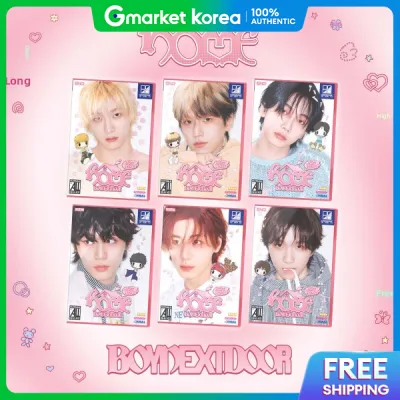
![BOYNEXTDOOR [ Home ] [ Photobook ver. ] Unsealed Album](https://img.lazcdn.com/g/p/2dd503b3f4400f6240c79ff930b0eed6.jpg_400x400q80.jpg_.webp)
Prices are valid at publication and may change. Please refer to the product page for the latest price.
KiT Albums and Nemo Albums are smart music formats that use physical hardware to unlock digital media. A KiT album contains a small plastic device (the “Kit”) that connects to your smartphone via audio jack or Bluetooth, while a Nemo album utilizes Near Field Communication (NFC) technology. Both require proprietary apps to play the high-definition audio and view exclusive digital galleries.
Jewel Cases and Compact/Letter Versions are smaller, budget-friendly physical editions. They typically feature a standard CD, a slim lyric booklet, and a limited selection of photocards. They occupy very little shelf space and are significantly cheaper than standard photobook editions, making them excellent for budget-conscious fans.
Choosing between these formats involves a clear trade-off between physical display value and digital convenience. Traditional physical albums with large photobooks and physical CDs offer a tangible, tactile experience that looks beautiful on a display shelf. However, they are more expensive and require substantial physical storage space. Digital-heavy formats like Weverse or Platform versions strip away the bulky packaging and the physical CD, focusing almost entirely on exclusive digital content and highly collectible physical photocards. For fans who primarily listen to music on streaming platforms and collect photocards to store in binders, these compact digital versions offer the highest value per peso.
When setting your collecting budget, it is vital to establish your primary goals. If you are a “photocard hunter” who wants to collect as many different member cards as possible, prioritizing Weverse Albums or compact editions allows you to buy multiple versions at a lower unit cost. If you are a “physical book lover” who appreciates high-quality concept photography and creative packaging design, saving your budget for one or two standard photobook versions per era will yield far more satisfaction than buying multiple digital-only formats.
Essential BoyNextDoor Eras to Anchor Your Collection
Building a cohesive boynextdoor collection is most rewarding when you follow the chronological and thematic evolution of their music. By anchoring your collection with key eras, you can appreciate how the group’s concept has matured from bright, playful youthfulness to more reflective, coming-of-age narratives.

The Foundational Eras: WHO! and WHY?
To truly understand the identity of boynextdoor, your collection must start with their debut single album, WHO!, and their first EP, WHY?. Released in 2023, these foundational records established the group’s signature youth concept—focusing on the relatable, everyday experiences of first love, teenage crush anxieties, and the inevitable heartbreak that follows. The visual styling of these eras is bright, colorful, and heavily inspired by retro casual fashion, making the physical packaging exceptionally cheerful and visually distinct.
For these early eras, Weverse Albums and compact versions offer incredible value. The Weverse Album versions of WHO! and WHY? are highly recommended for beginners because they compress the vibrant, summery aesthetics of the debut era into a pocket-sized format. These versions typically include a complete set of concept cards and random member photocards, giving you an immediate boost to your collection without the high shipping costs associated with heavy physical photobooks.
When deciding which foundational version to purchase, focus on your preferred visual theme rather than unverified claims of rarity or resale value on social media. For instance, if you prefer the outdoor, neighborhood-strolling aesthetic of their debut, the “Who” version of their early releases will be much more satisfying than the more melancholic, rain-soaked themes found in WHY?. Carefully compare the concept photos online before buying to ensure the visual style aligns with your personal taste.
The Breakthrough and Latest Milestones: HOW? and Beyond
As the discography of boynextdoor progressed into eras like HOW? and 19.99, their musical and visual concepts underwent a fascinating evolution. These releases delve deeper into the complexities of growing up, transitionary youth, and the emotional highs and lows of late teenage years. The production value of the physical albums scaled up significantly during these eras, introducing more elaborate packaging concepts, unique sticker designs, and interactive elements.
When collecting these later milestones, your selection should be guided by your affinity for specific coming-of-age themes. The HOW? era, for example, features concepts ranging from sporty school youth to nostalgic, retro-tech aesthetics. If you are drawn to bold, energetic designs, the limited or compact versions of these eras will make a striking addition to your shelf.
Before making a purchase, always verify the exact contents of these special editions. K-pop packaging can be highly complex, and a specific cover design does not automatically guarantee a certain set of inclusions. Consult official tracklists, publisher specifications, and detailed unboxing guides from trusted creators to confirm exactly what is included in each package—such as the number of photocards, the presence of a physical CD, or the specific language of the lyric book. This step prevents the common disappointment of opening a beautifully designed box only to find it contains a digital code instead of a physical disc.
Navigating Store Exclusives and Pre-Order Benefits
One of the most challenging aspects of modern K-pop collecting is navigating the overwhelming sea of store-exclusive editions and Pre-Order Benefits (POBs). Understanding the difference between standard retail editions and retailer-specific exclusives is crucial to keeping your hobby affordable and enjoyable.
Standard limited editions—such as KiT, Nemo, or specific compact versions—are produced by the group’s label and distributed globally across all retail channels. These versions have a fixed set of inclusions that remain consistent regardless of where you purchase them. In contrast, Pre-Order Benefits are exclusive, additional collectibles (usually unique photocards, holographic cards, or mini-posters) provided by specific retail partners (such as Weverse Shop, YG Select, or major Korean music stores) as an incentive for purchasing the album during the pre-order window.
Because there are often dozens of different POBs available for a single boynextdoor release, attempting to collect them all is a quick path to financial burnout. Instead, adopt a focused collecting strategy:
- Focus on your bias: Limit your POB collecting to your favorite member of the group rather than trying to secure complete group sets.
- Prioritize specific concepts: Only collect POB cards that feature visual concepts or outfits that you genuinely love.
- Set a strict budget cap: Establish a monthly or per-comeback spending limit and stick to it, reminding yourself that missing out on a specific card does not make you any less of a dedicated fan.
Be highly cautious of the secondary market, where out-of-print exclusives and highly desired POB photocards are often marked up to exorbitant prices. In the Philippines, local buy-and-sell communities can be excellent resources, but they also harbor inflated prices driven by artificial scarcity. Always remember that the value of any collectible is entirely subjective. A “limited” label or a high secondary-market price tag does not make an album a better investment; the true value of your collection lies solely in your personal enjoyment of the music and the physical art.
Sourcing Authentic BoyNextDoor Albums in the Philippines
Sourcing genuine boynextdoor albums in the Philippines requires a careful balance of safety, cost-efficiency, and patience. To ensure you are receiving authentic, complete merchandise that directly supports the group’s chart rankings, you must choose your purchasing channels wisely.
For guaranteed authenticity, the most direct route is ordering through official global storefronts like the Weverse Shop. However, international shipping fees from South Korea to the Philippines can often exceed the price of the album itself. To mitigate this, many Filipino ONEDOORs utilize local, authorized K-pop specialty stores operating in major malls or verified online platforms. These local retailers import albums in bulk, absorbing a portion of the shipping costs and offering them at more reasonable local retail prices, typically ranging from ₱600 to ₱1,500 depending on the format.
Before finalizing any purchase, especially when dealing with online sellers, use this verification checklist:
- Check for the KOMCA sticker: Genuine Korean music releases feature a reflective, holographic Korea Music Copyright Association (KOMCA) sticker on the back of the packaging.
- Verify the exact version name: Ensure the listing matches official press releases (e.g., distinguishing between a "Weverse Version" and a "Compact Version").
- Confirm the inclusion list: Verify if the album is being sold "sealed" (with all original contents intact) or "unsealed" (where the seller may have removed or swapped the photocards).
- Verify seller authorization: Only buy from shops with established track records, positive customer reviews, and clear return policies.
Be extremely wary of “sealed blind boxes” or heavily discounted limited editions from unauthorized third-party sellers on general e-commerce platforms. These listings often turn out to be counterfeit reproductions, or worse, unsealed albums that have been carefully rewrapped after removing the valuable photocards and QR codes.
Additionally, consider the logistics of shipping and local storage. Importing directly via international couriers may incur customs duties if your total order value exceeds the de minimis threshold of ₱10,000. Opting for local authorized stockists is often the safest way to avoid customs headaches and long delivery queues. Once your albums arrive, remember that the tropical climate of the Philippines presents unique challenges for paper-based collectibles. High humidity can cause photobooks to warp, pages to stick together, and photocards to develop mold. Store your collection in a cool, dry room away from direct sunlight, and consider using sealed plastic sleeves (acid-free and PVC-free) along with silica gel packets in your storage binders or display shelves to preserve your treasured boynextdoor collection for years to come.
Frequently Asked Questions (FAQ)
Do BoyNextDoor Weverse Albums come with physical photocards?
Yes, Weverse Albums for boynextdoor releases do include physical photocards, but they do not contain a traditional physical photobook or a plastic CD. Instead, the package consists of a compact paper sleeve containing a QR code card—which unlocks the digital music and digital photobook via the Weverse Albums app—along with a small selection of physical, high-quality photocards. Always review the official product publisher specifications before purchasing to confirm the exact number of physical cards included in that specific version.
How can I tell if a BoyNextDoor limited edition album is authentic?
Authenticity can be verified by checking for the official holographic KOMCA (Korea Music Copyright Association) sticker on the back of the album packaging. Additionally, genuine albums feature crisp, high-resolution printing, correct font weights, robust packaging materials, and functional QR codes that successfully link to official apps like Weverse. To guarantee you are purchasing a genuine product and supporting the group’s official sales charts, buy exclusively from authorized K-pop retailers or official global stores.
Is it better to buy standard or limited edition albums for long-term collecting?
The choice between standard and limited or compact editions depends entirely on your personal collecting goals, budget, and display preferences. Standard editions offer a superior physical display experience, featuring large, high-quality photobooks and traditional CDs that look impressive on a bookshelf. Limited, compact, or digital-heavy formats (like KiT or Weverse versions) are highly budget-friendly, space-efficient, and often contain unique photocard variants that appeal to card collectors. If you prioritize physical book aesthetics, choose standard versions; if you focus on photocard collecting and space-saving, limited digital versions are the ideal choice.
Community discussion
Share your experience or ask a question. Comments are reviewed before publication.