
Building a bilingual reading list is an enriching way to deepen your comprehension of both English and Tagalog, allowing you to appreciate the unique stylistic nuances of each language. When exploring the works of an author like Matthews—known for rich narrative tapestries, historical depth, or engaging character studies—selecting the right starting point requires a systematic approach. By pairing an English original with its authorized Tagalog translation, you can observe how complex ideas, emotional beats, and descriptive prose transition between two distinct linguistic systems. This guide provides a structured framework to evaluate Matthews novels, helping you select the most accessible titles to kickstart your dual-language reading journey.
To build a sustainable reading habit, you must balance the cognitive challenge of language switching with the pure enjoyment of the story. Selecting the wrong book early on can lead to frustration, while the right choice can accelerate your vocabulary acquisition and reading speed in both languages. By focusing on clear selection criteria, practical reading strategies, and careful pre-purchase verification, you can transform your dual-language reading list from a challenging academic exercise into a deeply rewarding literary adventure.
Core Criteria for Selecting Dual-Language Starting Points
Establishing foundational metrics is essential when evaluating whether a novel serves as an effective entry point for English-Tagalog bilingual reading. The primary barrier for most readers is not a lack of interest, but rather the rapid onset of cognitive fatigue. To prevent this, you must analyze the linguistic complexity of both the source text and the translation. English prose often relies on a highly structured Subject-Verb-Object pattern, whereas Tagalog is predominantly Verb-Subject-Object and utilizes a complex system of affixes to denote focus, aspect, and relationship. Comparing how these grammatical structures interact in a specific novel helps you gauge the mental effort required to transition between them.
Products mentioned in this guide
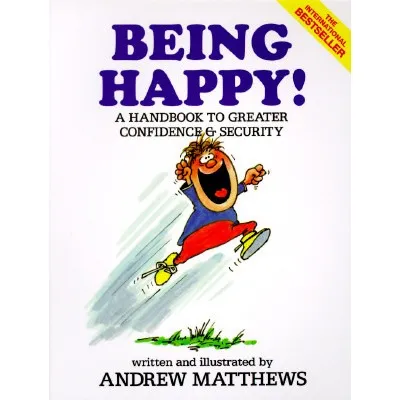
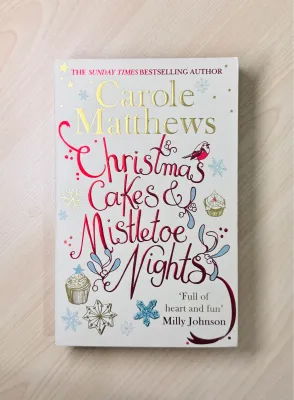
Prices are valid at publication and may change. Please refer to the product page for the latest price.
Sentence structure and vocabulary density also play critical roles in your reading stamina. A novel featuring long, clause-heavy sentences in English will often result in even longer, highly complex sentences in Tagalog to preserve the original meaning. For a beginner or intermediate bilingual reader, starting with a Matthews novel that features direct, active prose is highly beneficial. This keeps the vocabulary density manageable, allowing you to focus on how everyday idioms and expressions are localized without getting bogged down in archaic terms or convoluted syntax.
Cultural context and thematic resonance are equally important when selecting your starting texts. A story that deals with universal human experiences—such as family dynamics, personal growth, or community resilience—tends to translate more naturally into the Philippine cultural landscape. When the themes of a Matthews novel align with familiar social values, your brain can use contextual clues to fill in gaps in your vocabulary. This thematic familiarity reduces the cognitive load, making it easier to follow the narrative thread even when encountering unfamiliar words or complex grammatical structures in either language.
Finally, you must consider the physical layout and accessibility of the texts. Balancing two separate linguistic frameworks requires a reading setup that minimizes physical distraction. Whether you choose to read side-by-side paragraphs or alternate chapters, the visual presentation of the text should support, rather than hinder, your focus. By establishing these core criteria early on, you can objectively assess any novel in the Matthews catalog to determine if it fits your current language proficiency and reading goals.
Evaluating the Matthews Catalog for Bilingual Potential
To identify and assess specific titles within the Matthews collection for dual-language suitability, you must conduct a targeted evaluation of the available texts. The first step is to verify the existence of authorized Tagalog translations alongside the English originals. Because unauthorized or machine-translated editions often suffer from awkward phrasing, literal translations of idioms, and grammatical errors, relying solely on official publications ensures that you are studying high-quality, natural-flowing language. Checking the publisher’s catalog or consulting local literary databases in the Philippines is the most reliable way to confirm these details.

Once you have confirmed translation availability, examine the narrative pacing and dialogue styles of the candidate novels. Novels with brisk pacing and a high proportion of dialogue are generally much easier to use for dual-language reading. Dialogue tends to use conversational language, shorter sentences, and common idioms, which are far simpler to compare across languages than dense expository paragraphs. When reviewing a Matthews novel, flip to a dialogue-heavy section and compare the English and Tagalog versions to see if the conversational tone feels natural and engaging in both formats.
Descriptive passages require a different style of evaluation. Matthews’ novels often feature atmospheric descriptions of settings, weather, and historical backgrounds. In English, these passages might rely on specific adjectives that do not have direct, single-word equivalents in Tagalog. A skilled translator will adapt these descriptions using localized imagery or expanded phrasing. By comparing a few descriptive paragraphs, you can determine if the translation maintains the emotional impact and vividness of the original without becoming overly verbose or difficult to parse.
Additionally, evaluate the thematic settings of the novels to see how well they translate across cultural boundaries. Historical fiction or mythological retellings within the Matthews catalog can be particularly fascinating to analyze, as they often require the translator to find local cultural equivalents for foreign historical concepts. If a novel’s setting is highly specialized or relies heavily on obscure regional jargon, it may present a steep learning curve. Choosing a title with more universal settings and relatable character motivations will ensure a smoother, more enjoyable reading experience.
Actionable Strategies for English-Tagalog Dual Reading
Integrating English and Tagalog texts into a cohesive reading habit requires practical, structured strategies to maintain momentum. One of the most common decisions you will face is choosing between the chapter-alternating method and the paragraph-parallel technique. The chapter-alternating method involves reading an entire chapter in English, then immediately re-reading the same chapter in Tagalog. This approach is excellent for maintaining narrative flow and building overall comprehension, as it allows you to immerse yourself in the story before analyzing the linguistic differences.
For a more detailed linguistic analysis, the paragraph-parallel technique is highly effective. This method involves reading a single paragraph in English and then comparing it directly to the corresponding Tagalog paragraph. While this technique slows down your reading speed, it provides immediate feedback on vocabulary, sentence structure, and translation choices. This is particularly useful when reading Matthews’ more complex prose, as it allows you to see exactly how the translator resolved difficult idioms or structural differences in real time.
Managing cognitive fatigue is crucial to sustaining this habit over the long term. Reading in two languages simultaneously is mentally taxing, especially when dealing with different grammatical systems. To prevent burnout, limit your dual-reading sessions to short, focused blocks of 20 to 30 minutes. Because environmental comfort plays a significant role in concentration, try to read in a quiet, well-ventilated space, particularly during the warm, humid afternoons common in the Philippines. Taking regular breaks helps your brain process the linguistic connections you have made without causing mental exhaustion.
To deepen your comprehension and retain what you learn, keep a dedicated vocabulary and translation journal. When you encounter an interesting translation choice, a unique Tagalog idiom used to capture an English phrase, or a word you do not recognize, write it down alongside its context. Tracking these semantic shifts helps you appreciate the artistry of translation and builds a personalized glossary that you can refer to in future reading sessions. Over time, this active engagement will significantly improve your fluency and confidence in both languages.
Pre-Purchase Verification and Acquisition Checklist
Before purchasing or borrowing books for your dual-language reading list, it is essential to verify their specifications to avoid frustrating mismatches. Start by checking the International Standard Book Numbers (ISBNs) of both the English and Tagalog editions. Publishers often release multiple editions of a novel, including abridged versions, young adult adaptations, or revised texts. Ensuring that both of your copies are based on the exact same edition of the text prevents confusing discrepancies where paragraphs or entire scenes do not align.
Next, research the publisher and the translator credentials. Authorized translations published by reputable local university presses or established commercial publishers in the Philippines are subject to rigorous editorial standards. A high-quality translation will preserve the author’s voice while ensuring the Tagalog prose is grammatically correct and stylistically appropriate. Avoid self-published or uncredited translations found on unverified online platforms, as these are frequently the product of automated translation software and will hinder rather than help your language learning.
Consider your reading medium carefully when planning your setup. If you prefer physical books, you will need enough desk space to keep both paperbacks open side-by-side, which can be cumbersome. Alternatively, digital formats offer excellent flexibility for dual-language reading. Many e-readers and tablets allow you to view two documents simultaneously in a split-screen layout, or quickly toggle between files. Digital editions also offer the advantage of built-in dictionaries, allowing you to look up unfamiliar English or Tagalog words with a single tap, keeping your reading momentum uninterrupted.
Finally, confirm the completeness of the translation before making a purchase. Some translated editions are marketed as “simplified” or “abridged” for educational purposes. While these can be useful for beginners, they will not match an unabridged English original paragraph-for-paragraph. Check the book’s introduction, copyright page, or product description for terms like “unabridged” or “complete translation” to ensure you are getting a full, unaltered text that matches your English copy perfectly.
Frequently Asked Questions (FAQ)
Where can I find authorized Tagalog translations of English novels?
Authorized Tagalog translations of English literature can be sourced through several reliable channels in the Philippines. Major local bookstore chains often carry a dedicated section for translated works and local literature. For a wider selection, visit the online portals of prominent Philippine university presses, as they frequently publish high-quality translations of classic and contemporary international fiction as part of their academic and cultural preservation efforts.
When shopping on general ecommerce platforms or online marketplaces, always verify that the seller is an official distributor or a reputable local bookstore. Look for clear publisher branding, copyright details, and translator credits in the product images and descriptions. Purchasing directly from established publishers or authorized retailers guarantees that you receive complete, professionally edited texts while supporting the translators and local literary industries.
How should I handle untranslatable cultural idioms during dual reading?
When reading dual-language texts, you will inevitably encounter idioms, cultural references, or wordplay that do not have a direct equivalent in the target language. In these cases, professional translators rely on localization, substituting the original idiom with a culturally relevant phrase that conveys a similar emotional meaning or social context. Rather than searching for a literal, word-for-word translation, focus on understanding the underlying intent and tone of the passage.
Use contextual clues from the surrounding paragraphs to bridge any comprehension gaps. If a specific cultural reference remains unclear, consult supplementary resources such as local cultural dictionaries, online literary forums, or annotated editions of the text. Accepting these semantic shifts as a natural and creative part of translation will enhance your appreciation of both languages and prevent you from getting stuck on minor linguistic differences.
Community discussion
Share your experience or ask a question. Comments are reviewed before publication.