
Deciding between a standard and a limited edition K-Pop vinyl records disc comes down to balancing your budget, your appreciation for physical collectibles, and how you intend to enjoy the music. While both versions deliver the warm, analog sound of your favorite tracks, they differ significantly in their packaging, physical inclusions, and long-term collectibility.
Quick Answer: Which K-Pop Vinyl Version Fits Your Collection?
If your primary goal is to enjoy the music on a turntable without spending a premium, the standard edition is your best choice. Standard editions focus on the core audio experience, feature simpler packaging, and come at a more accessible entry price. They are ideal for everyday listening and are generally easier to replace if damaged.
On the other hand, you should choose the limited edition if you are a dedicated collector who values exclusive physical extras, unique disc colors, and high display appeal. These versions often feature elaborate box sets, exclusive photobooks, and colored or picture discs that serve as standout pieces in your collection.
Products mentioned in this guide


Prices are valid at publication and may change. Please refer to the product page for the latest price.
Before making any purchase on an online marketplace, always verify the listing details. If a listing lacks clear catalog numbers, official unboxing references, or seller authenticity guarantees, proceed with caution. In the tropical climate of the Philippines, where high humidity can affect paper and vinyl, ensuring you receive a pristine, authentic copy is essential to protecting your investment.
Core Differences in Packaging and Physical Extras
The unboxing experience is a cornerstone of K-Pop culture, and this holds true for vinyl releases. Standard editions typically utilize classic packaging formats. You will often find them housed in standard single jackets or gatefold sleeves made of cardstock. While functional and space-efficient, these packages are designed primarily to protect the vinyl records disc rather than serve as elaborate display pieces.

Limited editions, conversely, elevate the packaging to an art form. Publishers frequently package these releases in heavy-duty box sets, hardboard slipcases, or specialized digipaks. These premium structures not only offer superior protection but also command attention on a display shelf. However, collectors in humid environments must note that heavy cardboard and glossy finishes require careful storage to prevent moisture absorption and subsequent warping.
The inclusions inside the jacket represent the most dramatic divergence between the two versions. Standard editions usually contain the bare essentials: the vinyl records disc, a basic lyric sheet, and perhaps a single double-sided insert. Limited editions are packed with the highly coveted extras that define K-Pop collecting. It is common to find thick, large-format photobooks, exclusive photo cards, sticker sheets, and numbered certificate cards.
Furthermore, limited editions often feature large-scale physical extras that cannot fit into standard sleeves. These can include folded or rolled posters, fold-out maps, stencils, or even standalone physical collectibles like acrylic stands or commemorative coins. If you view your albums as interactive art pieces rather than just audio media, the wealth of physical extras in a limited edition justifies the larger physical footprint and the higher price tag.
Audio Quality and Vinyl Disc Specifications
A common misconception among new collectors is that a limited edition vinyl records disc automatically sounds superior to its standard counterpart. In reality, the visual design of the disc does not dictate the quality of the audio master. Standard editions almost always feature classic black vinyl. Black vinyl is the industry standard for a reason: the carbon black additive strengthens the PVC compound, often resulting in a highly stable disc with low surface noise.
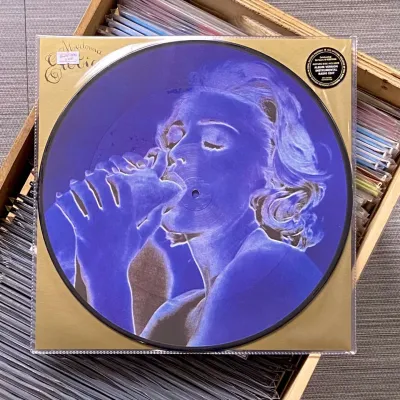
Limited editions frequently showcase eye-catching visual variants. These include solid color pressings, translucent vinyl, multi-color splatter designs, or picture discs. While visually stunning, some of these variants carry trade-offs. Picture discs, for example, are manufactured by sandwiching a printed picture between two thin layers of plastic, which can sometimes result in higher baseline surface noise. Splatter and color pressings have improved significantly in quality, but they still require a clean, precise pressing process to match the quiet playback of standard black vinyl.
To evaluate actual audio quality, you must look beyond the color of the disc. Check the record label’s official product specifications or the album’s mastering credits. High-quality audio depends on who mastered the album for vinyl and where it was pressed. A standard black vinyl mastered by a renowned engineer at a dedicated facility will consistently outperform a limited color variant that uses a standard digital master pressed hastily.
Additionally, pay attention to the vinyl weight, which is usually specified in grams (such as 140g or 180g). Heavier discs, like 180g pressings, do not inherently sound better, but they provide greater physical stability on the platter and are highly resistant to warping. In the warm, tropical climate of the Philippines, where ambient temperatures and humidity fluctuate, a heavier disc offers valuable physical durability, making weight a key specification to verify before buying.
Exclusivity, Availability, and Collectibility
The lifecycle of a K-Pop vinyl release is highly dependent on the edition type. Standard editions are designed for broader distribution. While they can still go out of print, record labels are more likely to order subsequent pressing runs if demand remains high. This makes standard editions a safer, more relaxed purchase that you can plan around your budget without the fear of immediate sell-outs.
Limited editions operate on strict scarcity. These versions are typically produced in a single, predetermined run, often tied directly to a pre-order window. Once the pre-order period closes or the initial stock sells out, official restocks are exceedingly rare. Some limited releases are individually numbered, adding a quantifiable level of exclusivity that appeals directly to serious collectors.
This artificial scarcity heavily impacts the secondary market. While a standard edition might maintain a stable price close to its original retail value, out-of-print limited editions can skyrocket in price on collector forums and local marketplaces, sometimes costing several thousand Pesos. This high valuation, however, brings a significant risk of counterfeits, bootlegs, or incomplete listings where sellers have stripped out the valuable photo cards and posters before reselling the disc.
Understanding these release strategies helps you make informed purchasing decisions. If you are eyeing a limited edition release from your favorite group, securing a copy during the official pre-order phase is highly recommended to avoid inflated secondary market prices. If you miss the window, you must weigh whether the exclusive visual variants and physical extras are worth the premium markup charged by independent resellers.
Comparison Matrix: Standard vs Limited Edition Features
To help you quickly compare the typical characteristics of these two formats, the table below outlines the standard differences you can expect when browsing K-Pop vinyl releases.
| Feature | Standard Edition | Limited Edition |
|---|---|---|
| Packaging Type | Single sleeve or standard gatefold | Box set, hardboard slipcase, or digipak |
| Typical Extras | Lyric sheet, basic insert | Photobook, photo cards, posters, collectibles |
| Disc Visuals | Classic black vinyl | Colored, translucent, splatter, or picture disc |
| Availability | Open production runs; potential for restocks | One-time pressing; strict pre-order windows |
| Warping Resistance | Varies by weight (typically 140g) | Varies (often heavier 180g pressings) |
| Price Range | Accessible entry price | Premium price; high secondary market markup |
| Target Collector | Casual listeners and budget-conscious fans | Dedicated collectors and completionists |
Note: Specific inclusions and disc weights vary by release. Always check the official publisher specifications before finalizing your purchase.
How to Verify Authenticity and Version Details Before Buying
Navigating online marketplaces requires a systematic approach to ensure you receive the exact edition you are paying for. The first step in verification is checking the unique identifiers of the release. Every official K-Pop vinyl records disc carries a specific barcode and catalog number assigned by the distributing label (such as SM Entertainment, YG Plus, or JYP Entertainment). You can cross-reference these numbers on global music databases like Discogs or official fan community platforms to confirm whether the listing matches a standard or limited pressing.
Next, cross-examine the seller’s product description against official unboxing videos and label announcements. Official teasers always detail the exact contents of each edition, including the number of pages in the photobook, the specific photo card variants, and the color of the vinyl disc. If an online listing claims to be a limited edition but lacks these specific details, or if the seller uses generic stock photos instead of actual product photos, ask for live pictures of the spine, barcode, and inclusions.
When shopping on e-commerce platforms like Lazada, prioritize official brand stores or certified sellers (such as LazMall outlets) that specialize in imported Korean media. Look for listings that explicitly state “first press,” “sealed,” or “with pre-order benefits” if you are seeking a complete limited edition. Be wary of listings with prices that seem too good to be true; an authentic, sealed limited edition vinyl will rarely be priced lower than the standard edition’s retail price.
Finally, inspect the physical condition of the item upon arrival, especially if you are purchasing from a local reseller in the Philippines. Check the corners of the outer box for impact damage and inspect the vinyl disc under a bright light for any signs of warping or surface scratches. In tropical climates, improper storage by sellers can lead to mold growth on paper inclusions or heat-induced warping of the disc. Verifying these physical aspects immediately allows you to initiate returns or exchanges within the platform’s protection window.
Frequently Asked Questions (FAQ)
Do limited edition K-Pop vinyl records sound better than standard ones?
No, limited edition vinyl records do not inherently sound better than standard editions. The audio quality is determined by the mastering process and the quality of the pressing plant, not by the color of the vinyl or the complexity of the packaging. In some cases, highly decorated discs like picture discs can actually have slightly higher surface noise than standard black vinyl. To ensure high-fidelity sound, check if the release uses a dedicated vinyl master rather than a standard digital master.
How can I tell if a K-Pop vinyl is a first press or a reprint?
You can identify a first pressing by examining the runout groove—the smooth area of vinyl between the last track and the label. This area contains etched or stamped matrix numbers, mastering signatures, and pressing plant codes. Cross-referencing these matrix codes with online collector databases will reveal the exact pressing run. Additionally, first pressings often feature unique hype stickers on the outer shrink wrap or specific pre-order-only inclusions that are omitted from later reprints.
Are retailer-exclusive vinyl records considered limited editions?
Retailer-exclusive vinyl records are a specific type of limited edition. These are variants pressed exclusively for a particular retail chain or distributor, often featuring a unique disc color or alternative cover art. While they are limited in quantity and only sold through designated channels, they may share the same packaging and internal inclusions as the standard edition. They are highly collectible but differ from official label-wide limited editions, which are distributed globally to all authorized retailers.
Community discussion
Share your experience or ask a question. Comments are reviewed before publication.