
Deciding between a Squier Classic Vibe and a Squier Affinity Series electric guitar comes down to choosing between vintage-inspired specifications and modern, budget-friendly utility. While both instruments share the iconic body shapes designed by Fender, they target different playing styles, aesthetic preferences, and budgets. Understanding these differences helps you select the instrument that aligns with your musical goals and playing environment.
In tropical climates like the Philippines, factors such as high humidity and temperature fluctuations can influence how guitar woods, finishes, and hardware behave over time. Evaluating the physical construction, electronic components, and hardware of each series will reveal which guitar offers the right balance of playability and longevity for your specific needs.
Body and Neck Construction: What to Check on the Spec Sheet
The physical build of a guitar determines its weight, balance, and how it feels in your hands. Squier Classic Vibe models generally feature body woods chosen to replicate vintage Fender models, such as pine, nato, or poplar, depending on the specific era being recreated. These woods can make the instrument feel substantial, though weight varies significantly from one production run to another.
Products mentioned in this guide

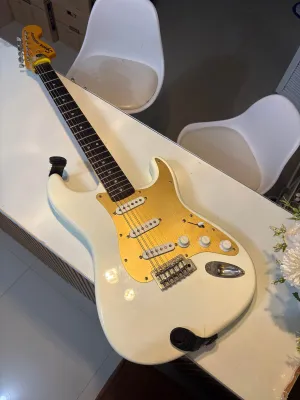
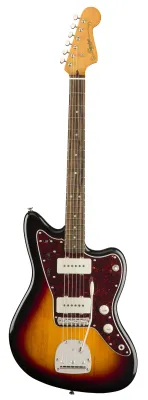
Prices are valid at publication and may change. Please refer to the product page for the latest price.
In contrast, the Affinity Series frequently utilizes poplar or thin maple bodies. Poplar is a lightweight, balanced tonewood that makes the Affinity series highly comfortable for long practice sessions or standing performances. The body thickness of many Affinity models is also slightly thinner than standard Fender specifications, which reduces overall weight and makes the instrument more manageable for younger players or those with smaller frames.
Neck finishes represent one of the most noticeable differences between the two lines. Classic Vibe guitars feature a high-gloss tinted urethane finish on the neck, giving them a premium, vintage appearance. However, in hot and humid conditions, a high-gloss neck can sometimes feel sticky or slow as your hands sweat. The Affinity Series features a satin urethane finish on the back of the neck, which offers a smooth, fast feel that resists stickiness even in high humidity.
Both series typically feature a modern 9.5-inch fretboard radius and a comfortable “C”-shaped neck profile, but the actual hand feel differs due to the finish thickness. The Classic Vibe neck can feel slightly chunkier because of the gloss coat, whereas the Affinity neck feels slimmer and more modern. Because manufacturers update specifications periodically, always check the official spec sheet of the exact model year you are considering to verify the current wood and finish details.
Pickups and Electronics: Matching Tonal Goals
The pickups and internal electronics are the primary drivers of your guitar’s plugged-in tone. Squier Classic Vibe instruments are equipped with Fender-Designed Alnico single-coil or humbucking pickups. Alnico magnets are known for their warm, clear, and dynamic response, delivering the lower-output, vintage-correct tones associated with classic rock, blues, and jazz. These pickups respond exceptionally well to the nuances of your picking attack.

Affinity Series guitars typically feature ceramic magnet pickups. Ceramic pickups generally produce a higher output with a brighter, more aggressive treble response. This makes the Affinity highly suitable for modern music styles, high-gain distortion, and crisp clean tones that cut through a mix. However, they may lack some of the subtle dynamic warmth found in the Alnico pickups of the Classic Vibe.
Control layouts and internal wiring also differ between the two tiers. Classic Vibe models use full-sized potentiometers and robust switches that offer smooth tone rolling and reliable switching. The Affinity Series uses smaller, dime-sized potentiometers and standard utility switches. While functional, these entry-level electronics can sometimes develop static or wear out faster when exposed to salty air or high humidity, requiring occasional cleaning with contact cleaner.
Before making a purchase, verify the exact pickup configuration of the model you want. Both series offer traditional three-single-coil (SSS) layouts, humbucker-single-single (HSS) configurations, and dual-humbucker (HH) options. Matching the pickup type to your preferred musical genres ensures you get the tonal foundation you need right out of the box.
Hardware and Playability: Bridges, Tuners, and Nut Specs
Hardware quality directly impacts tuning stability, intonation, and how easy it is to maintain your guitar. Classic Vibe models feature vintage-style hardware, including six-saddle synchronized tremolos or vintage-style three-saddle brass barrel bridges on Telecaster models. These components look authentic to the 1950s, 60s, or 70s, but they can require more precise adjustment to maintain accurate intonation.
Affinity Series guitars utilize modern hardware designs aimed at ease of use. Many Affinity Stratocasters feature a modern two-point synchronized tremolo bridge, which offers smoother tremolo action and easier setup than a traditional six-screw vintage bridge. Other Affinity models use hardtail string-through-body bridges, which simplify string changes and maximize tuning stability for beginners.
Tuning machines also follow these design philosophies. The Classic Vibe uses vintage-style split-shaft tuners, where the end of the string is inserted down into the center of the post before winding. This design prevents sharp string ends from sticking out, though it requires you to pre-cut your strings to length. The Affinity Series uses modern, sealed die-cast tuners that are straightforward to string and require very little maintenance over time.
Nut material is another critical factor for tuning stability and sustain. Classic Vibe guitars are equipped with real bone nuts, which provide excellent string energy transfer and durability. Affinity models typically use synthetic bone or plastic nuts, which may require occasional lubrication with graphite to prevent strings from binding during tuning. If you are buying online, check these detailed measurements, or visit a local music store to test how the nut width and string spacing feel to your fretting hand.
Price and Value: Which Tier Fits Your Budget and Goals?
In the Philippines, the price difference between these two series represents a significant step in budget. The Squier Affinity Series generally sits in the entry-level price bracket, typically ranging from ₱12,000 to ₱18,000 depending on the specific model and local retailer promotions. This makes it an attractive option for beginners, casual hobbyists, or players who want a reliable backup instrument without a heavy financial commitment.
The Squier Classic Vibe Series occupies a mid-tier position, usually priced between ₱22,000 and ₱32,000. The premium price of the Classic Vibe covers the cost of Alnico pickups, real bone nuts, vintage-correct hardware, tinted gloss finishes, and more detailed aesthetic appointments like matching painted headstocks or vintage-style decals. For many players, these upgraded components save money in the long run by eliminating the need for immediate aftermarket upgrades.
However, the Affinity Series can offer better overall value if you plan to customize your guitar. Because the Affinity body is lightweight and affordable, it serves as an excellent blank canvas for aftermarket modifications. You can install your preferred pickups, upgrade the tuners, or swap the electronics over time as your budget allows, creating a personalized instrument customized to your exact tastes.
How to Choose: Decision Matrix for Your Playing Needs
To make the final decision, evaluate your playing preferences, budget, and maintenance habits against the characteristics of each series.
Choose the Squier Classic Vibe if you meet the following conditions:
- You prefer vintage aesthetics, including tinted gloss necks and period-correct hardware.
- You want classic, low-output Alnico tones for blues, classic rock, or indie music.
- You prefer a guitar that does not require immediate hardware or pickup upgrades out of the box.
- You are comfortable maintaining vintage-style bridges and split-shaft tuners.
Choose the Squier Affinity Series if you meet these conditions:
- You are working with a stricter budget or buying your very first electric guitar.
- You prefer a lightweight instrument that is easy to play while standing for long periods.
- You prefer a satin-finished neck that stays smooth and dry in humid tropical weather.
- You plan to heavily modify the pickups, electronics, or hardware in the future.
Before finalizing your purchase, always verify the specific model year and factory origin. Specifications can change, and checking the manufacturer’s documentation or consulting an authorized local dealer ensures you get the exact features you expect.
Frequently Asked Questions (FAQ)
Is the Squier Classic Vibe worth the extra cost over the Affinity?
Yes, the Classic Vibe is generally worth the extra cost if you value vintage-correct specifications, Alnico pickups, and premium hardware. The upgraded materials, such as a real bone nut and robust electronics, provide a more traditional playing experience and tone. However, if you prefer a lightweight body, a modern satin neck finish, or are on a tight budget, the Affinity Series provides excellent functional value at a lower price point.
Can I easily upgrade the pickups on either series?
Yes, both the Classic Vibe and Affinity Series use standard body routing that accommodates most aftermarket pickups. However, you should always verify the routing cavity of your specific model before purchasing replacements. Some models may have a universal pool routing that fits any pickup configuration, while others may be routed strictly for single-coils or humbuckers. Additionally, ensure that replacement pickguards match the screw hole patterns of your specific Squier model.

Community discussion
Share your experience or ask a question. Comments are reviewed before publication.