
Choosing your first electric guitar is a major milestone, and the Fender Squier Telecaster remains one of the most reliable designs for beginners. If you are working with a strict budget and want a straightforward, comfortable instrument to start your musical journey, the Squier Affinity Series Telecaster offers excellent modern playability at an accessible entry point. On the other hand, if you have a more flexible budget and want vintage-inspired aesthetics, premium hardware, and an instrument that will grow with you for years without needing immediate upgrades, the Squier Classic Vibe Series is a compelling long-term investment. Your final decision will ultimately depend on your financial limits, your preference for modern versus vintage neck profiles, and how much you value period-correct styling.
Understanding the Squier Telecaster Tiers
To make an informed choice, it helps to understand where these two instruments sit in the Squier lineup. The Affinity Series serves as Squier’s primary entry-level tier. It is engineered specifically for beginners, focusing on cost-effective manufacturing, lightweight materials, and modern hardware configurations that keep the price accessible. These guitars are designed to get you playing immediately without a massive financial commitment, making them ideal for students and hobbyists who are still testing the waters.
In contrast, the Classic Vibe Series represents the pinnacle of the Squier brand. Instead of focusing solely on affordability, the Classic Vibe line pays homage to specific eras of Fender history, such as the 1950s, 1960s, or 1970s. These instruments feature vintage-correct specifications, gloss finishes, and upgraded hardware designed to mimic the look, feel, and sound of classic American-made guitars. While still highly accessible compared to Fender’s US or Mexican-made models, the Classic Vibe is positioned as a premium instrument that appeals to both serious beginners and gigging musicians.
Products mentioned in this guide
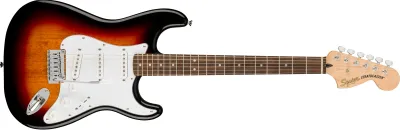
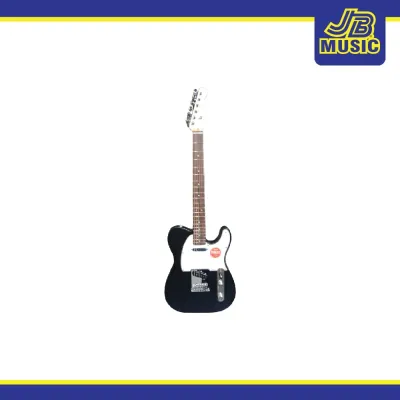
Prices are valid at publication and may change. Please refer to the product page for the latest price.
This tier distinction directly influences baseline quality control and material selection. While both series undergo factory inspections, the Classic Vibe instruments generally receive more detailed attention to fretwork, finish consistency, and hardware alignment. Understanding these distinct design philosophies will help you set realistic expectations as you compare their physical features.
Comparing Build Quality and Hardware Specifications
When evaluating these guitars, the physical construction and hardware components are the most tangible differences you can verify. The body wood is a primary point of divergence. The Affinity Series typically utilizes lightweight tonewoods such as poplar, which keeps the guitar comfortable to hold during long practice sessions. The Classic Vibe Series often employs traditional woods like pine or nyatoh, depending on the specific model year and historical era being replicated. These traditional woods can make the Classic Vibe feel more substantial and resonant, though they may also add slightly more weight.

The hardware designs also reflect their respective modern and vintage philosophies. The Affinity Telecaster features a modern six-saddle top-load or string-through-body bridge, which allows for precise, individual intonation adjustments for each string. It also uses standard modern die-cast tuning machines. The Classic Vibe, true to its heritage, features a vintage-style bridge with three brass or steel barrel saddles and vintage-style split-shaft tuners. While the vintage bridge requires sharing a saddle between two strings for intonation, many players prefer it for its classic look and perceived contribution to the traditional Telecaster “twang.”
When your guitar arrives, whether from an online marketplace or a local music store, you should perform a thorough physical inspection. Run your fingers along the edges of the fretboard to check for sharp fret ends, which can occur when wood shrinks in dry or air-conditioned environments. Examine the finish for any pooling, cracks, or uneven spots, particularly around the neck joint. Finally, check that the tuning keys turn smoothly without catching and that the bridge saddles are aligned properly to ensure stable tuning.
Playability, Neck Profiles, and Factory Setup
The feel of the neck is perhaps the most critical factor for a beginner, as it directly impacts your hand comfort and how easily you can form chords. The Affinity Series features a modern “C”-shaped maple neck with a satin finish. This satin finish feels smooth and dry, preventing your hand from sticking to the back of the neck during humid tropical days. The neck profile is also slightly thinner, making it highly manageable for smaller hands or players who prefer a fast, modern feel.
The Classic Vibe Series, conversely, features a vintage-tinted gloss neck finish. While visually stunning and highly authentic to the golden era of electric guitars, the gloss finish can sometimes feel sticky if your hands sweat while playing in warm environments. The neck profile is a slightly chunkier “C” shape, which fills the hand more fully. Additionally, the Classic Vibe uses narrow-tall frets, which are taller and narrower than the medium-jumbo frets found on the Affinity. Narrow-tall frets make it easier to grip strings for clean bends, while medium-jumbo frets offer a flatter, more forgiving surface for basic chording.
Regardless of which tier you choose, a professional setup is highly recommended. Guitars shipped from overseas factories often experience temperature and humidity shifts during transit, which can alter the wood. Taking your new Telecaster to a local guitar technician to adjust the action (string height), intonation, and truss rod will make a massive difference in playability. A well-set-up Affinity will always play better than a poorly set-up Classic Vibe straight out of the box.
Electronics and Tonal Versatility
The electronics of a Telecaster define its voice, and here the two series offer distinct sonic profiles. The Affinity Series is equipped with standard ceramic single-coil pickups. Ceramic magnets tend to produce a hotter, brighter, and more modern output. This makes the Affinity highly versatile for modern rock, pop, and high-gain styles, though it can sometimes sound slightly harsh or sterile through smaller practice amplifiers.
The Classic Vibe Series features Fender-designed alnico single-coil pickups. Alnico magnets are prized for their warm, musical, and dynamic response. They deliver the classic, sweet Telecaster “twang” and smooth midrange that defined decades of popular music. If you are interested in blues, country, classic rock, or jazz, the alnico pickups in the Classic Vibe provide a more nuanced and organic tone that responds beautifully to the dynamics of your picking hand.
If you have the opportunity to test these guitars in a physical store, pay close attention to the physical operation of the electronics. Turn the volume and tone knobs slowly to ensure they sweep smoothly without any crackling sounds or sudden drops in volume. Toggle the three-way pickup selector switch back and forth; it should engage firmly with a solid click and should not introduce any hum or intermittent signal loss. These small checks can save you from frustrating electronic issues down the road.
Budget, Value, and Future Upgrade Potential
The price difference between these two series is a significant consideration for any beginner. In the local market, the price gap can represent a substantial portion of your overall budget. When deciding, you must ask yourself what that extra cost actually buys. With the Classic Vibe, you are paying for premium tonewoods, superior alnico pickups, vintage-style hardware, and a high-gloss finish that looks like a professional instrument.
For many players, the Affinity Series serves as an excellent platform for future modifications. Because the initial investment is lower, you can comfortably upgrade components over time as your skills develop and your budget allows. Common upgrade paths include swapping the stock ceramic pickups for aftermarket alnico ones, installing locking tuners for better tuning stability, or upgrading the plastic nut to a bone or synthetic bone alternative. However, these upgrades require either personal technical skill or additional technician fees.
The Classic Vibe, by contrast, is often considered a “buy once” solution. The stock pickups, tuners, and bridge are already of high enough quality that most players never feel the need to upgrade them. This can actually save you money in the long run if you plan to stick with the instrument for several years. When budgeting, be sure to check current prices at local authorized retailers in ₱ and compare bundle deals. Many local shops offer packages that include a gig bag, strap, cable, and a small practice amplifier, which can provide excellent starting value.
Decision Framework: Which Model Fits Your Needs?
To finalize your decision, it helps to evaluate your personal circumstances against a clear set of conditions. Your choice should align with your budget, your aesthetic preferences, and your long-term musical goals.
You should choose the Squier Affinity Series if:
- You have a strict budget and want to keep your initial investment as low as possible.
- You are not yet certain if you will stick with the guitar long-term and want to minimize financial risk.
- You prefer a modern, satin-finished neck that feels fast and does not get sticky in humid weather.
- You enjoy the idea of upgrading and customizing your guitar's hardware and electronics in the future.
You should choose the Squier Classic Vibe Series if:
- You have a flexible budget and can comfortably afford the price premium.
- You want an instrument that looks, feels, and sounds like a vintage Fender right out of the box.
- You prefer a gloss-finished neck and want the traditional warmth and dynamics of alnico pickups.
- You want a reliable, gig-ready guitar that you will not need to upgrade or replace as your playing skills advance.
Before making your final purchase, try to visit a local music store if possible. Holding both models in your hands, feeling the difference in neck profiles, and hearing how they sound through a practice amplifier will give you the ultimate clarity on which Squier Telecaster is the perfect partner for your musical journey.
Frequently Asked Questions (FAQ)
Is the Squier Classic Vibe worth the extra cost over the Affinity?
Yes, for players who have the budget, the Classic Vibe is generally worth the extra cost. The premium alnico pickups, vintage-style hardware, and superior wood selection provide a noticeable step up in tone and build quality. Additionally, because the Classic Vibe is highly regarded by intermediate and advanced players alike, it tends to hold its resale value better on the local secondhand market and requires fewer immediate upgrades, making it a more cost-effective choice over several years of playing.
Do I need to upgrade the pickups on a Squier Affinity Telecaster?
No, you do not need to upgrade the pickups immediately. The stock ceramic pickups on the Affinity are perfectly adequate for learning, practicing, and developing your basic technique. They offer a bright, clear sound that works well for most beginner exercises and genres. You should only consider upgrading the pickups once you have developed a specific tonal preference, or if you decide to turn the guitar into a long-term modification project as your playing skills mature.
Community discussion
Share your experience or ask a question. Comments are reviewed before publication.