
Choosing between a single and a double electric drum pedal is one of the first major decisions you will face when setting up your electronic drum kit. For most beginners, starting with a single electric drum pedal is the most practical path because it allows you to master fundamental timing, balance, and dominant-foot control without unnecessary coordination hurdles. However, if your primary musical goal is to play genres like heavy metal, progressive rock, or hardcore, investing in a double kick pedal early on can help you build essential non-dominant foot strength and coordination from the very beginning of your drumming journey.
To make the right choice, you must balance your musical aspirations with practical considerations such as your budget, available practice space, and the physical specifications of your electronic drum kit. Evaluating these factors before making a purchase ensures you invest in hardware that supports your learning curve rather than complicating it.
Assess Your Musical Goals and Foot Technique
Your choice of pedal should align closely with the music you want to play. Different genres demand distinct kick drum patterns and tempos. If your playlist consists of pop, jazz, funk, or classic rock, a single pedal is more than capable of handling the required patterns. These genres focus heavily on groove, pocket, and subtle dynamics rather than rapid-fire double-bass rolls. Starting with a single pedal allows you to focus on the nuances of these styles without being distracted by a secondary pedal.
Products mentioned in this guide
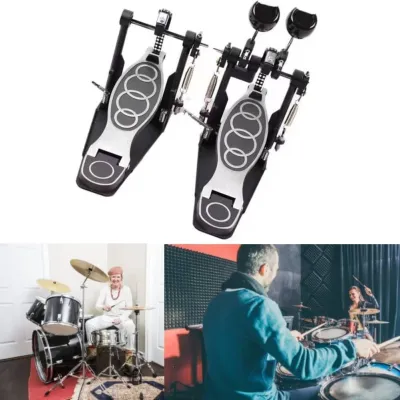
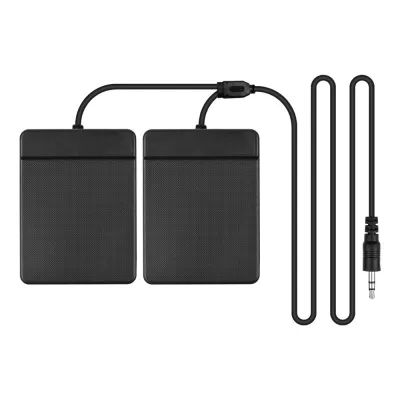
![[jss6053]1Set Electronic Drum Double Pedal Up Style 3.5mm Interface Drum Set Kick Pedal Digital Electronic Drum Pedal](https://img.lazcdn.com/g/p/03e9b7a89e51de327f6c714f2e9c5043.jpg_400x400q80.jpg_.webp)
Prices are valid at publication and may change. Please refer to the product page for the latest price.
Conversely, if you are drawn to extreme metal, thrash, or modern progressive rock, a double pedal is virtually mandatory. Trying to play these genres with a single pedal can lead to frustration, as your dominant foot will quickly hit a physical speed limit. Developing your non-dominant foot early on prevents you from having to relearn your foot technique later when you transition to more complex songs.
Beyond genre, you must evaluate your current physical coordination and balance. Drumming requires a high degree of limb independence. When you sit at the drum throne, your core must support your body weight so your feet can move freely. Beginners often struggle with balance, and adding a second kick pedal can make it harder to stabilize yourself. Assessing how much time you can commit to weekly practice will help you decide if you have the bandwidth to tackle the steeper learning curve of double-pedal coordination.
Starting with a Single Electric Drum Pedal
Starting with a single electric drum pedal offers several foundational benefits that can accelerate your overall progress. A single pedal forces you to develop a strong, consistent stroke with your dominant foot. You will learn to control the rebound of the beater, master heel-up and heel-down techniques, and build a solid relationship with the hi-hat pedal. This fundamental control is crucial, as a weak dominant foot will limit your playing regardless of how many pedals you have.

Financial considerations also play a significant role in this decision. High-quality double pedals are precision-engineered mechanical devices, and they carry a higher price tag than their single counterparts. By opting for a single pedal, you can allocate more of your budget in ₱ toward other essential electronic drum kit components. This might mean investing in a sturdier drum throne, higher-quality headphones, or a more advanced drum module that offers better sound samples and connectivity.
Physical space is another practical factor, especially for home practice setups in the Philippines where space can be limited. Electronic drum kits are popular for their compact footprints, but a double pedal setup requires a wider footprint. You must accommodate the secondary pedal, the linkage arm, and the hi-hat stand, which must be pushed further to the left. A single pedal keeps your setup compact, tidy, and easier to fit into a bedroom or a dedicated practice corner.
Evaluating the Need for a Double Pedal Setup
While a single pedal is excellent for building core skills, a double pedal setup opens up a vast world of creative possibilities. If you are committed to learning fast double-bass patterns, starting with a double pedal allows you to train both feet simultaneously. This prevents the non-dominant foot from falling too far behind in strength, speed, and precision, which is a common issue for drummers who transition to a double pedal after years of single-pedal playing.
Using a double pedal is not just about playing fast, continuous rolls; it also allows for creative fills and intricate syncopated patterns. Incorporating quick double-stroke bursts into your grooves can add texture and energy to your playing. Developing this level of coordination early on can make you a more versatile drummer, especially if you plan to join a band that plays modern rock or metal styles.
However, you must be prepared for the challenges that come with a double pedal. The learning curve is significantly steeper, as you must train your brain to control two independent foot movements while maintaining your hand patterns. It is common for beginners to experience muscle fatigue and frustration early on. If you choose this route, you must commit to slow, disciplined practice with a metronome to ensure both feet produce even, consistent strokes.
Pre-Purchase Verification Checklist
Before you finalize your purchase, you must verify that your electronic drum kit is physically and technically compatible with your chosen pedal setup. Unlike acoustic bass drums, electronic kick pads have specific design limitations that can affect how pedals attach and perform.
- Check Kick Pad Width: Measure the striking surface of your electronic kick tower or mesh pad. Some entry-level electronic kits feature narrow kick pads designed only for a single beater. If you attempt to use a double pedal on a narrow pad, one or both beaters may miss the sensor zone or strike the plastic rim.
- Verify Module Trigger Settings: Review your drum module's manual to see if it supports rapid double-triggering. Some basic modules have a built-in retrigger mask that prevents accidental double-triggering, which can inadvertently mute fast double-bass hits.
- Assess Drum Throne Stability: Ensure your drum throne is sturdy and adjustable. Playing a double pedal requires you to lift both feet off the floor simultaneously, meaning your core and throne must support your entire weight without wobbling.
- Evaluate Hi-Hat Stand Placement: If you choose a double pedal, check if your hi-hat stand has rotating legs. You will need to position the secondary kick pedal directly next to the hi-hat pedal, which requires flexible stand placement.
Frequently Asked Questions (FAQ)
Can I upgrade from a single to a double pedal later?
Yes, you can upgrade to a double pedal setup later, but it usually requires purchasing a complete double pedal system. Most standard single pedals cannot be converted into a double pedal because they lack the mounting points for the connecting linkage shaft. When you are ready to upgrade, you will need to buy a double pedal set, which includes the primary pedal, the secondary (slave) pedal, and the linkage bar. Additionally, you must ensure your existing electronic kick pad is wide enough to accommodate two beaters side-by-side.
Do all electronic drum modules support a double kick pedal?
While almost all electronic drum modules can technically register the signals from a double kick pedal, the physical kick pad itself is the primary limiting factor. The module simply receives trigger signals from the pad; it does not know whether those signals are coming from one beater or two. However, entry-level modules paired with small, budget-friendly kick pads may struggle to track rapid, consecutive hits accurately. Before buying, check your module’s manual for trigger settings like sensitivity and threshold to ensure you can fine-tune the tracking for fast double-bass playing.
Community discussion
Share your experience or ask a question. Comments are reviewed before publication.