
Choosing between a single coil and a humbucker guitar pick up comes down to your preferred tone, the genres you play, and how you handle background noise. Single coils offer bright, clear, and articulate sounds but are prone to hum. Humbuckers deliver warm, thick, and high-output tones while canceling out electrical noise.
The pickups on your electric guitar act as its microphone, translating the physical vibration of the metal strings into an electrical signal that your amplifier turns into sound. Because different pickup designs capture these vibrations in distinct ways, your choice of pickup is the single most influential factor in determining your guitar’s natural voice. Whether you are upgrading an existing instrument or choosing a new guitar, understanding these two fundamental designs will help you find your ideal sound.
In humid tropical climates like the Philippines, sweat and moisture can easily seep into unsealed pickup coils or corrode potentiometer contacts. This environmental factor makes understanding your guitar’s electronics and choosing high-quality, well-potted pickups even more critical for long-term reliability during sweaty gigs or damp practice sessions.
Products mentioned in this guide
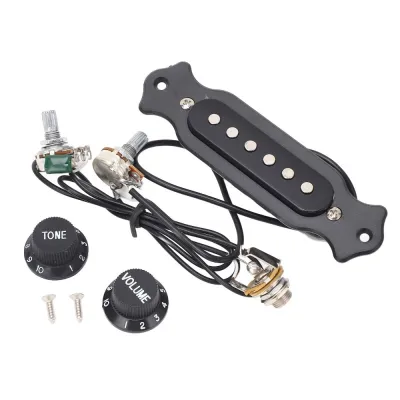
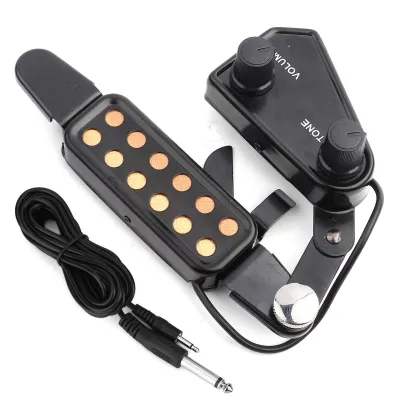
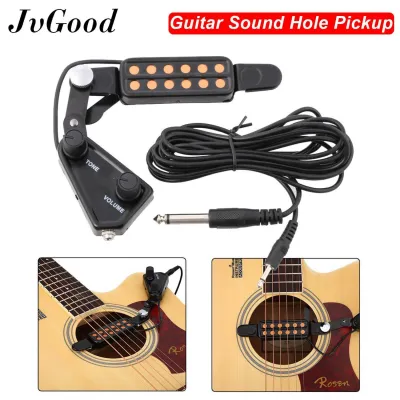
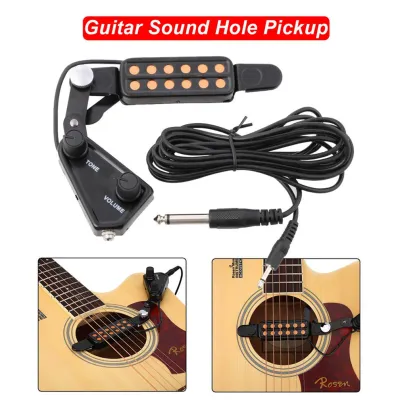
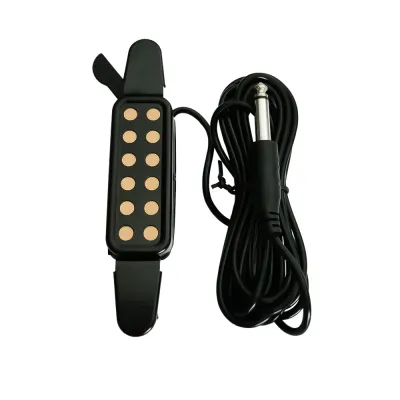
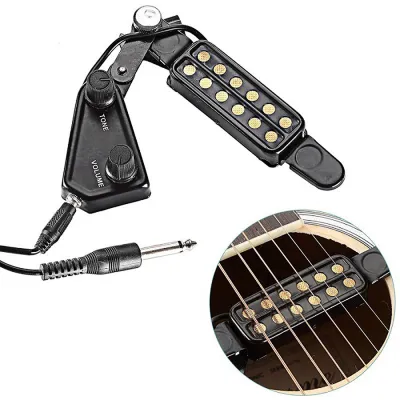
Prices are valid at publication and may change. Please refer to the product page for the latest price.
Core Differences in Tone and Output
Single coil pickups are characterized by their bright, clear, and glassy tones. Because they use a single magnet—or a single set of magnetic pole pieces—wrapped in thousands of turns of fine copper wire, they capture a narrow, focused window of the string’s vibration. This physical design emphasizes the high-end frequencies, giving your notes a sharp attack, excellent note definition, and a distinct chime that cuts through a dense band mix. The treble response of a single coil makes it highly sensitive to the nuances of your picking technique, revealing every detail of your touch.
Humbucker pickups, by contrast, offer a much warmer, thicker, and darker sonic profile. They feature two magnetic coils placed side-by-side and wired together. This dual-coil configuration captures a wider physical area of the vibrating string, which naturally smooths out the sharp treble frequencies while emphasizing the midrange and bass. The result is a rounder, fuller sound with a smooth sustain that feels incredibly rich under your fingers. The broader magnetic field of the humbucker also tends to compress the initial attack of the note slightly, creating a more forgiving playing experience.
The physical differences between these designs also directly influence their output volume and signal strength. Humbuckers generally produce a much stronger electrical signal because their two coils work in tandem to boost the output. This higher output drives your amplifier’s preamp stage harder, making it much easier to achieve natural distortion and overdrive. Single coils have a lower output, meaning they stay clean at higher amplifier volumes and preserve the subtle dynamics of your picking hand, allowing you to control your volume simply by how hard or soft you strike the strings.
Noise, Hum, and Interference Handling
One of the most significant practical differences between these two pickup types is how they handle electromagnetic interference. Single coil pickups are inherently susceptible to what guitarists call 60-cycle hum. Because they only have one coil, they act like small antennae, picking up stray electromagnetic radiation from fluorescent lights, computer monitors, neon signs, and household appliances. This hum is particularly noticeable when you are not playing and can become quite loud when using overdrive or distortion pedals.

Humbuckers were specifically invented in the 1950s to solve this buzzing problem. By using two coils wound in opposite directions with opposing magnetic polarities, the humbucker utilizes phase cancellation. The external electromagnetic noise picked up by both coils is canceled out when the signals combine, effectively “bucking the hum” while leaving the guitar’s musical signal intact. This design allows you to play in electrically noisy environments without a constant background hiss, making them highly reliable for recording and live performances.
When deciding which pickup type to choose, you must assess your typical playing environments. If you practice in a room filled with electronic devices, perform on stages with complex lighting rigs, or use a chain of high-gain effects pedals, the noise from a single coil can quickly become distracting. However, if you primarily play clean tones in controlled environments, the minor background hum of a single coil is often a small price to pay for its unmatched clarity. You can also mitigate single coil noise to some extent by applying conductive copper shielding tape inside your guitar’s control cavities.
Genre Suitability and Playing Styles
Your choice of guitar pick up heavily influences how well your instrument fits into specific musical genres. Single coil pickups are highly favored in genres that demand clarity, speed, and dynamic expression. In funk music, the sharp attack of a single coil is essential for tight, percussive rhythm playing. In country and surf rock, the bright treble response provides the signature twang and drip that defines those styles. Indie rock and alternative players also rely heavily on single coils for their raw, jangly, and edge-of-breakup tones.
Humbuckers are the undisputed standard for heavier, high-gain genres like hard rock and heavy metal. Because high-gain amplification multiplies any incoming noise, using a single coil under heavy distortion often results in uncontrollable feedback and deafening hum. Humbuckers keep the signal quiet while providing the thick midrange punch and heavy bass response needed for chugging metal riffs and singing guitar solos. The extra sustain provided by humbuckers also helps long, expressive notes sing out effortlessly.
Beyond heavy rock, humbuckers are also highly prized in the jazz world. The warm, rounded high-end of a neck-position humbucker rolls off the harsh transients of the pick attack, delivering a smooth, smoky tone that blends beautifully with acoustic double basses and pianos. Similarly, blues players often alternate between both types, using single coils for biting, expressive leads and humbuckers for thick, sustaining solos. Many legendary blues recordings feature the woody, vocal-like quality of a neck humbucker.
It is important to remember that these genre boundaries are not absolute. You can easily blur the lines between pickup types by adjusting your pickup height or using your amplifier’s equalizer. Lowering a high-output humbucker further into the guitar body reduces its output and brightens its tone, while raising a single coil closer to the strings increases its volume and bite. Using an EQ pedal can also help a single coil sound thicker or a humbucker sound brighter, allowing you to adapt your current setup to almost any musical situation.
Guitar Compatibility and Installation Considerations
If you are planning to upgrade your guitar pick up, you must first verify if your instrument’s body can physically accommodate the change. Single coils and humbuckers have very different physical footprints. Standard single coils are narrow and rectangular, while humbuckers are roughly twice as wide. If your guitar was originally routed only for single coils, you cannot install a standard humbucker without physically routing out more wood from the guitar body.
Fortunately, many modern guitars feature universal routing under the pickguard, often referred to as a “swimming pool route,” which allows you to install almost any pickup configuration. Before purchasing new pickups, remove your guitar’s pickguard or control plates to inspect the routed cavities. If you want to avoid cutting into your guitar’s wood, you can also look for “single-coil-sized humbuckers,” which are dual-coil pickups designed to fit directly into a standard single coil slot. These offer the noise-canceling benefits of a humbucker without requiring any physical modifications to your instrument.
The electrical components inside your guitar also need to match your pickup choice. Single coil pickups typically perform best when paired with 250k ohm potentiometers, which gently roll off some of the harsh high frequencies to keep the tone smooth. Humbuckers require 500k ohm potentiometers to prevent their naturally warm tone from becoming muddy. If you are swapping pickup types, you will likely need to replace your volume and tone pots as well, along with checking if your tone capacitor needs to be updated to match the new resistance values.
For complex wiring modifications or physical wood routing, it is highly recommended to seek the help of a professional luthier or guitar technician. In the Philippines, professional guitar setup and routing services typically range from ₱1,500 to ₱3,500 depending on the complexity of the job. A professional ensures that the routing is clean, the soldering is secure, and the electronics are properly shielded against tropical humidity, which can otherwise cause premature corrosion and signal degradation over time.
Decision Framework: Which Guitar Pick Up Should You Choose?
To make your final decision, evaluate your playing style, your gear setup, and your tolerance for background noise.
Choose single coil pickups if:
- You prioritize absolute clarity, note definition, and dynamic picking response.
- Your favorite genres are funk, country, indie rock, surf, or traditional blues.
- You prefer clean, chimey tones or light, transparent overdrive.
- You do not mind a small amount of background hum in exchange for a brighter, more expressive sound.
Choose humbcker pickups if:
- You need a thick, warm, and powerful tone with plenty of natural sustain.
- You play hard rock, heavy metal, modern progressive styles, or traditional jazz.
- You use high-gain distortion pedals or high-gain amplifier channels regularly.
- You want a quiet, noise-free performance even in venues with poor electrical grounding.
If you are still undecided, you do not have to limit yourself to just one type. Many guitars feature mixed configurations, such as HSS (Humbucker-Single-Single) or HSH (Humbucker-Single-Humbucker), which offer the ultimate tonal versatility. Alternatively, you can explore humbuckers with coil-splitting capabilities, allowing you to temporarily deactivate one of the coils to mimic a single coil sound at the flick of a switch. This gives you access to both worlds without needing to carry multiple instruments to a gig.
Frequently Asked Questions (FAQ)
Can I mix single coil and humbucker pickups on the same guitar?
Yes, mixing single coils and humbuckers on the same guitar is highly common and offers incredible tonal versatility. Popular configurations like HSS feature a humbucker in the bridge position for heavy rhythm playing and single coils in the middle and neck positions for clean, expressive lead tones. This setup is widely considered one of the most versatile configurations for session musicians who need to cover multiple genres in a single performance.
The main challenge when mixing these pickups is balancing their output levels, as the humbucker will naturally sound much louder than the single coils. You can balance this by adjusting the physical height of the pickups, lowering the humbucker slightly and raising the single coils closer to the strings. Alternatively, you can install a medium-output humbucker specifically designed to match the output of vintage-style single coils, or use a specialized wiring scheme that balances the volume automatically.
Do I need to change my guitar strings when switching pickup types?
No, you do not need to change your guitar string gauge or type simply because you are switching your pickups. String gauge is entirely a matter of personal preference, playability, and tuning stability, and any standard electric guitar string set will work perfectly with both single coils and humbuckers. You can continue using your preferred string brand and gauge without worrying about compatibility issues.
However, it is worth noting that heavier string gauges have more physical mass, which can slightly increase the magnetic pull and overall output of your pickups. If you switch to a very high-output pickup, you might notice a slight increase in sustain or a warmer tone with heavier strings, but you should always prioritize the string gauge that feels most comfortable for your hands and playing style rather than trying to match your strings to your pickups.
Community discussion
Share your experience or ask a question. Comments are reviewed before publication.