
Choosing the right reading material in the Philippines often comes down to a choice between deep cultural connection and fast-paced modern entertainment. If you are exploring regional print media, you have likely encountered the name Bannawag, a historic publication that holds a unique place in Philippine literary history. Deciding whether to invest your time and budget in Bannawag or to stick with mainstream entertainment publications depends on your language preferences, your connection to regional heritage, and what you want to experience during your leisure reading hours. While mainstream magazines offer immediate updates on national celebrity culture, Bannawag provides a literary sanctuary dedicated to preserving the language and traditions of Northern Luzon. Understanding the distinct roles these publications play will help you choose the reading material that best fits your lifestyle and personal interests.
Bannawag vs. Mainstream Entertainment: Understanding the Core Differences
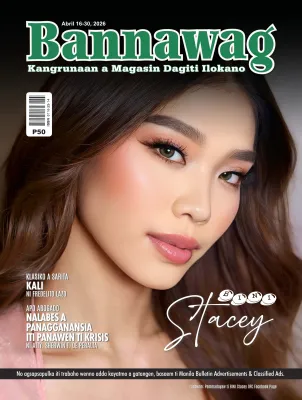
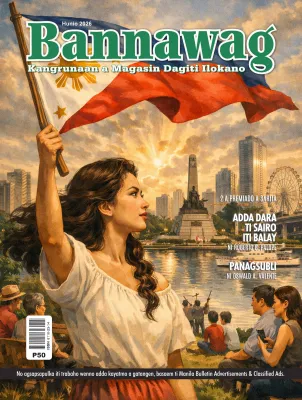
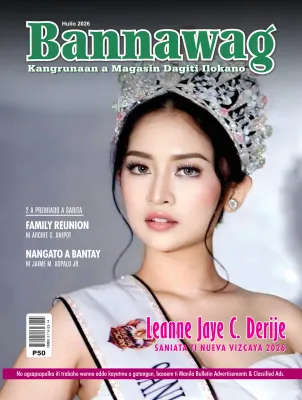
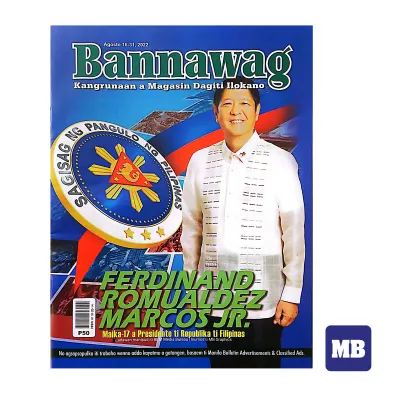
To make an informed decision, it is essential to understand what sets Bannawag apart from the broader landscape of Philippine media. Established in 1934, Bannawag is an Ilocano-language magazine that has served as a vital cultural institution for decades. Published by Manila Bulletin Publishing Corporation, it focuses heavily on regional literature, creative writing, local news, and historical essays. For generations of readers in Northern Luzon and Ilocano communities worldwide, this publication has been a primary vehicle for language preservation, showcasing the work of both established and emerging Ilocano writers. It is structured more like a literary journal combined with a community newspaper, moving at a deliberate, reflective pace that prioritizes cultural depth over transient trends.
In contrast, mainstream entertainment publications in the Philippines cater to a national audience by focusing on pop culture, television dramas, film industries, and celebrity lifestyles. These magazines are primarily written in Tagalog, English, or a blend of both (Taglish), ensuring broad accessibility across different regions of the country. Their pages are typically filled with exclusive interviews, high-fashion photography, beauty advice, and social columns detailing the lives of prominent actors and influencers. The editorial cycle of mainstream entertainment media is fast-paced, designed to keep readers constantly updated on the latest industry gossip, trending television series, and national lifestyle movements.
Products mentioned in this guide
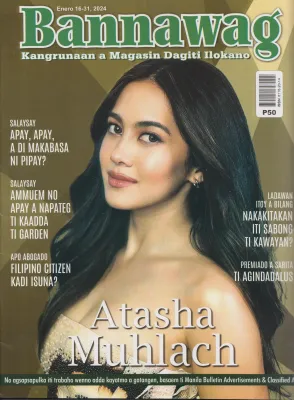
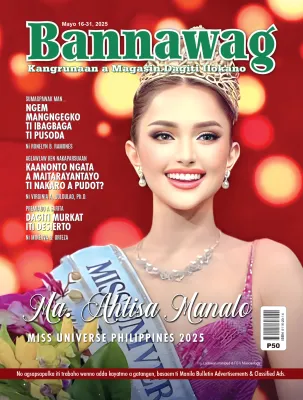
Prices are valid at publication and may change. Please refer to the product page for the latest price.
The fundamental difference between these two media types lies in their core purpose. Bannawag aims to preserve, educate, and foster a deep appreciation for regional identity and literary art. Mainstream entertainment publications, on the other hand, prioritize immediate visual appeal, national trend-tracking, and lighthearted escapism. This divergence in editorial philosophy affects everything from the layout and ratio of text to images, to the complexity of the vocabulary used in their articles.
Signs Bannawag Magazine Aligns With Your Reading Preferences
If you are considering reading Bannawag, certain personal interests and habits will indicate that this publication is an ideal match for your shelf. First and foremost, you should have a strong appreciation for creative writing and regional literature. Unlike mainstream options that rely heavily on short gossip snippets, Bannawag features serialized novels, short stories, traditional poetry, and essays that require focused attention and a love for storytelling. If you find satisfaction in following complex narratives over several issues and analyzing literary themes, this magazine offers a depth of content that standard entertainment media cannot replicate.

Another clear sign is a desire to connect with or maintain your Ilocano heritage. Whether you grew up speaking the language in Northern Luzon or belong to the global Ilocano diaspora, reading a publication written entirely in Ilocano helps keep the language alive in your daily life. It provides exposure to formal grammar, rich vocabulary, and regional idioms that are rarely used in casual conversation or mainstream national broadcasts. For language learners and heritage speakers alike, the magazine serves as an active, engaging educational tool.
You will also appreciate Bannawag if you prefer community-focused news that highlights the realities of rural and provincial life in the Philippines. The magazine frequently covers local agricultural developments, regional historical milestones, and profiles of community leaders who are making a difference in Northern Luzon. This focus offers a refreshing alternative to the metropolitan Manila-centric news cycle that dominates national television and print media.
Finally, Bannawag is perfect for readers who enjoy a slower, more intentional media consumption habit. If your ideal reading session involves sitting down with a hot drink in a quiet space, slowly digesting essays, and reflecting on cultural traditions, the deliberate pacing of this literary magazine will feel deeply rewarding. It is designed for those who view reading as an active intellectual pursuit rather than a quick distraction.
When Mainstream Entertainment Publications Better Serve Your Interests
While Bannawag offers profound cultural value, mainstream entertainment publications are often the superior choice for readers with different leisure goals. If your primary motivation for picking up a magazine is to stay informed about the national entertainment scene, mainstream titles are unmatched. They provide immediate coverage of local television networks, movie premieres, music charts, and celebrity relationships. If you want to know what your favorite actors are doing, what projects are currently filming, or who is attending the latest industry galas, these national publications deliver that specific information directly.
Language accessibility is another crucial factor that might lead you to choose mainstream publications. If you are not fluent in Ilocano and do not have the time or desire to learn it, navigating Bannawag can be a frustrating experience. Mainstream magazines written in English, Tagalog, or Taglish allow for effortless reading, making them highly accessible to the vast majority of readers across the Philippines. This ease of comprehension ensures that your reading time remains entirely relaxing and stress-free.
If you are highly visual and interested in contemporary lifestyle trends, fashion, and beauty, mainstream publications will better serve your needs. These magazines feature extensive, professionally styled photo shoots, makeup tutorials, and wardrobe guides that reflect current global and urban trends. The advertisements and product recommendations within these pages are also highly relevant to readers looking for items readily available in major shopping malls and national online marketplaces.
Lastly, mainstream entertainment media is ideal for quick, casual consumption. The articles are structured for rapid reading, featuring bold headlines, bulleted lists, and short paragraphs that can be easily scanned during a daily commute, in a waiting room, or during a brief work break. If you prefer a highly visual, low-effort reading experience that provides instant entertainment and keeps you connected to the broader national conversation, sticking to mainstream publications is the most practical path.
How to Decide: A Quick Self-Assessment for Your Next Read
To help you finalize your decision, consider this straightforward comparison of your reading priorities:
- Choose Bannawag if: You want to read high-quality Ilocano literature, maintain your regional language skills, explore the history and traditions of Northern Luzon, and enjoy a slower, text-rich reading experience.
- Choose Mainstream Publications if: You want to stay updated on national celebrity gossip, follow fashion and beauty trends, prefer reading in Tagalog or English, and enjoy highly visual, fast-paced content.
Reflect on your current lifestyle and reading habits. Ask yourself how much mental energy you want to dedicate to your magazine reading. If you are looking for an intellectual challenge that fosters cultural pride, the investment in regional literature is highly justified. If you are looking for lighthearted relaxation after a long day of work, a national entertainment title will likely be more satisfying.
If you remain undecided, the most practical approach is to purchase a single recent issue of each type. This low-risk test allows you to physically handle the publications, evaluate the layout quality, and attempt to read the articles before committing to a recurring subscription. It is a cost-effective way to see which style truly resonates with your daily routine.
Where to Access and Purchase Your Preferred Magazines
Finding your chosen magazine requires knowing where to look, as distribution networks in the Philippines vary significantly. For physical copies of mainstream entertainment magazines, major national bookstores, convenience stores, and supermarkets in urban areas are reliable sources. However, because many publishers have transitioned to digital-first or hybrid distribution models, physical copies may be more limited than in previous years. Always verify the current publication frequency and format availability directly from the publisher’s official announcements.
Bannawag, due to its regional focus, is widely available at local newsstands, public market stalls, and regional offices throughout Northern Luzon. If you live outside of these provinces or reside in metropolitan Manila, finding a physical copy can be more challenging. In these cases, contacting the publisher, Manila Bulletin, directly or visiting their main offices is often the most reliable way to secure print editions. Single print issues of regional and mainstream magazines in the Philippines typically range from ₱100 to ₱250, depending on the page count and paper quality.
For digital readers, both regional and mainstream publications are increasingly accessible through digital newsstands, e-magazine platforms, and official publisher websites. Before purchasing a digital subscription, verify the file format, device compatibility, and whether the digital edition includes the complete content of the print run. This verification ensures you receive the full literary pieces or visual spreads without any regional access restrictions.
Frequently Asked Questions (FAQ)
Can I enjoy Bannawag if I am not fully fluent in Ilocano?
While full fluency in Ilocano is necessary to deeply appreciate the serialized novels, poetry, and complex essays, readers with partial fluency can still find value in the publication. The magazine features regional news, historical features, and visual elements that provide familiar cultural contexts. It can also serve as an excellent self-study tool for those actively trying to improve their language skills, allowing you to cross-reference unfamiliar terms with local dictionaries. However, if you have no background in the language, the text-heavy nature of the magazine may prove difficult to navigate without assistance.
Do mainstream entertainment magazines offer digital subscriptions?
Yes, many mainstream entertainment publishers in the Philippines have adapted to modern reading habits by offering digital subscriptions. These are typically hosted on dedicated e-magazine platforms, mobile applications, or official publisher websites. When opting for a digital subscription, it is important to verify the compatible devices, download formats, and subscription terms. Digital versions are often more cost-effective than print copies and eliminate the challenges of physical distribution, making them a convenient option for readers living outside major urban centers or overseas.
Community discussion
Share your experience or ask a question. Comments are reviewed before publication.