
Choosing the right key action on a digital keyboard determines how closely your instrument mimics a traditional acoustic piano and how comfortable you will feel while playing. If you are a gigging musician who needs a portable setup for local venues or a producer working in a home studio, semi-weighted keys offer a practical, lightweight compromise. For students and classical players aiming to build authentic finger strength, fully weighted keys provide the necessary uniform resistance. Meanwhile, advanced pianists seeking the ultimate acoustic realism will find that graded hammer action best replicates the nuanced touch of a grand piano.
What Key Action Means for Your Playing Experience
Key action refers to the mechanical design beneath the keys that creates physical resistance when you press them down. This resistance is crucial because it allows you to control the volume and expression of each note through the force of your touch. On a basic unweighted keyboard, often called synth-action, the keys offer almost no resistance and spring back instantly, which can make expressive, dynamic playing incredibly difficult.
When you transition to a weighted piano keyboard, the keys require more effort to press, mimicking the physical hammers of an acoustic instrument. This resistance helps you develop finger independence and control over soft and loud dynamics. However, heavier actions can also lead to quicker finger fatigue if your hands are not yet conditioned, making it essential to choose a mechanism that matches your current physical strength and playing style.
Products mentioned in this guide
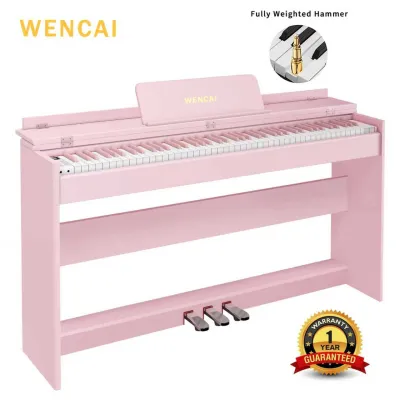
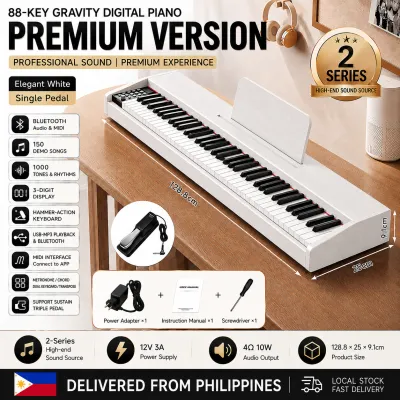
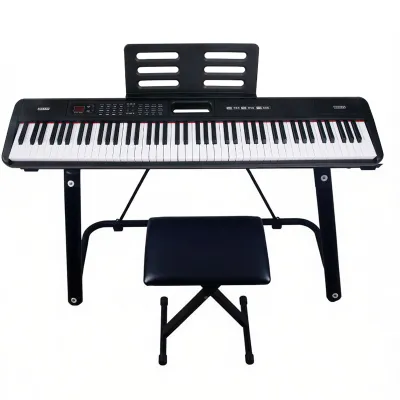
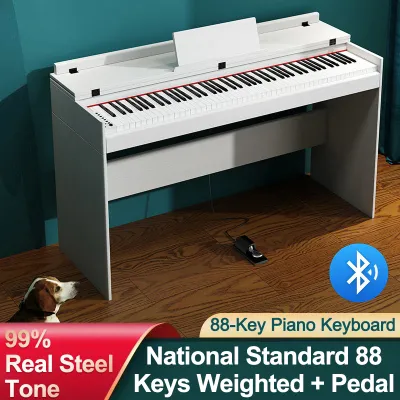
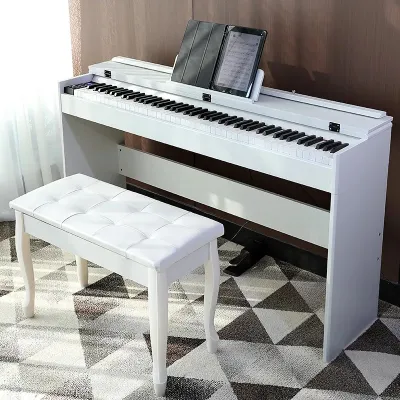
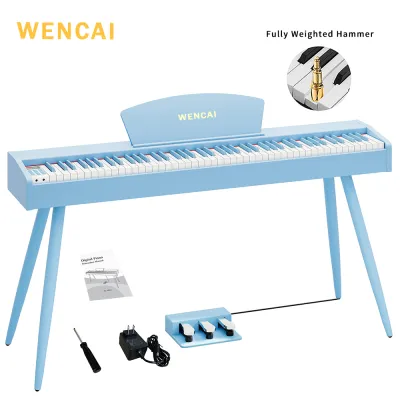
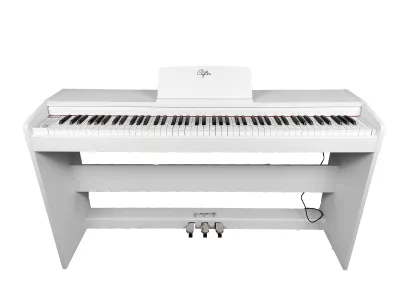
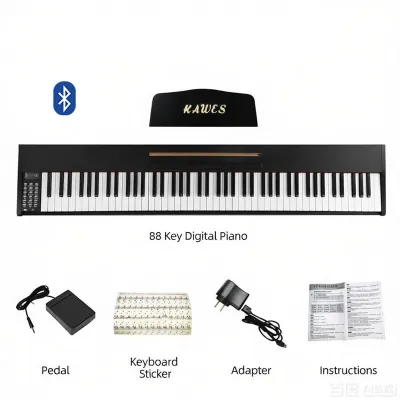
Prices are valid at publication and may change. Please refer to the product page for the latest price.
Semi-Weighted Keys: When to Choose Lighter Resistance
Semi-weighted keys utilize a hybrid mechanism that combines spring tension with small metal weights attached to the underside of each key. This design provides a moderate amount of resistance that is heavier than a basic synthesizer but significantly lighter than a real acoustic piano. Because they do not rely on complex hammer assemblies, keyboards with semi-weighted actions are highly portable and easy to transport to rehearsals or gigs.

This action is highly suitable for musicians who play fast-tempo synth leads, organ glissandos, or electronic music where a heavy piano touch is unnecessary. It is also a popular choice for home studio producers who need a versatile MIDI controller. However, the primary trade-off is a loss of fine dynamic control, which makes it challenging to play expressive classical pieces or transition smoothly to a traditional acoustic piano.
Fully Weighted Keys: Building Proper Piano Technique
Fully weighted keys are designed to replicate the uniform resistance of an acoustic upright piano. This mechanism uses actual weights or a simplified hammer system to ensure that every key across the keyboard requires the same amount of force to press down. By providing a consistent physical response, fully weighted keys help players build the essential finger strength and muscle memory required for traditional piano techniques.
This action is highly recommended for piano students, classical players, and anyone who plans to perform on acoustic pianos in the future. Practicing on a fully weighted keyboard ensures that your fingers adapt to the physical demands of a real instrument, preventing the technique issues that often arise from practicing on unweighted keys. The main trade-off is the added weight of the instrument itself, which makes these keyboards less convenient to carry around, along with a slightly less nuanced feel compared to graded actions.
Graded Hammer Action: Achieving an Authentic Grand Piano Feel
Graded hammer action represents the most advanced mechanical design available in digital pianos, closely mimicking the physical properties of an acoustic grand piano. On an acoustic grand, the hammers for the lower bass notes are larger and heavier than those for the high treble notes. A graded keyboard replicates this exact characteristic, offering heavier resistance on the left side of the keyboard that progressively lightens as you play higher up the treble register.
This premium mechanism is the ideal choice for advanced pianists, classical performers, and students preparing for formal conservatory exams. It provides the most realistic acoustic simulation, allowing for delicate phrasing and precise control over complex classical repertoires. However, graded hammer action is typically found in higher-end digital pianos, which are heavier to transport and require a larger initial investment.
Matching Key Action to Your Skill Level and Musical Goals
To make the final decision, consider your current skill level alongside your budget in ₱ and the musical genres you plan to play. Beginners who are testing the waters or focusing on electronic music can start comfortably with semi-weighted keys, which are budget-friendly and easy to play. Intermediate students and those focusing on pop, jazz, or classical music should look toward fully weighted keys to establish proper hand posture and dynamic control. Advanced players and classical purists will benefit most from investing in a graded hammer action keyboard.
When shopping, always check the manufacturer’s specification sheets, as different brands use proprietary names for their weighted actions. In tropical climates like the Philippines, where high humidity can warp the wooden parts of traditional acoustic pianos, a high-quality digital keyboard with graded or fully weighted keys offers a stable, low-maintenance alternative. If possible, visit a local music store to test different actions in person, paying close attention to how the keys rebound and whether the resistance feels comfortable for your hands.
Frequently Asked Questions (FAQ)
Can I learn piano on a semi-weighted keyboard?
You can learn basic music theory, note reading, and simple chord shapes on a semi-weighted keyboard. However, because these keys lack the full resistance of an acoustic instrument, you will not fully develop the finger strength or dynamic control needed for advanced classical pieces. If you are serious about learning proper piano technique, it is highly recommended to transition to a fully weighted keyboard as soon as possible.
Do all weighted piano keyboards have built-in speakers?
No, the type of key action refers strictly to the physical mechanism of the keys and does not dictate the keyboard’s audio features. Many professional stage pianos and MIDI controllers with fully weighted or graded hammer keys do not have built-in speakers, requiring external amplifiers, PA systems, or headphones to produce sound. Always check the product specifications to confirm whether a model includes built-in speakers or requires external audio equipment.
Community discussion
Share your experience or ask a question. Comments are reviewed before publication.