
The Amish Ways offers a profound look at a community that prioritizes faith, family, and face-to-face connection over modern technological conveniences. For many readers, this book serves as an eye-opening critique of the relentless pace of contemporary life. It invites us to question why we chase constant upgrades, faster internet speeds, and endless material accumulation. However, while the principles of community and deliberate living are deeply inspiring, the specific lifestyle of the Amish is rooted in a highly distinct historical and agricultural context.
For a reader living in a bustling urban center in the Philippines, directly copying the Amish lifestyle is practically impossible. You cannot easily trade your smartphone for a horse and buggy when your job requires digital communication, nor can you easily establish an off-grid farm in the middle of a dense city. This creates an adaptation gap. To bridge this gap, you need to pair the foundational wisdom of The Amish Ways with other contemporary self-help books. These complementary texts translate the core philosophy of intentionality into practical, modern strategies that fit your specific environment.
By exploring diverse perspectives on simplicity, you can build a personalized intentional lifestyle. The goal is not to replicate a specific historical model, but to extract universal truths about focus, relationships, and contentment. Combining these books allows you to design a life that honors your modern responsibilities while preserving your mental peace and communal connections.
Products mentioned in this guide
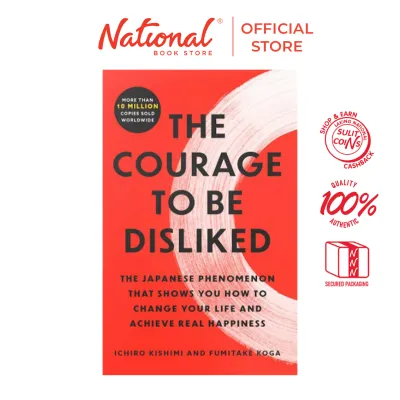
Prices are valid at publication and may change. Please refer to the product page for the latest price.
How to Choose Intentional Living Books for Your Lifestyle
Selecting the right books on simple living requires a clear understanding of your current challenges and your unique cultural context. Simplicity is not a one-size-fits-all concept, and what works for a solo dweller in a quiet suburb may not work for you. To find the most impactful reading material, start by identifying your primary personal pain points. Are you struggling with physical clutter in a small living space, or is your main challenge the mental exhaustion of digital burnout and overcommitment? Pinpointing these issues helps you choose books that offer targeted solutions.
Cultural factors play a massive role in how we implement simple living. In the Philippines, daily life is deeply intertwined with family ties, shared spaces, and communal celebrations. Extreme, individualistic minimalism—which often advocates for stripping away everything except personal essentials—can clash with the values of hospitality and family solidarity. When evaluating simplicity books, look for philosophies that respect these relational dynamics. Choose guides that help you simplify your life so you can invest more energy into your community, rather than isolating yourself from it.
Finally, consider the practical aspects of book formats and accessibility. Physical books are wonderful to hold, but in a highly humid, tropical climate, they require active maintenance to prevent mold, foxing, and insect damage. If you live in a compact home where shelf space is limited, digital formats like e-books or audiobooks can be excellent alternatives. They allow you to build a vast library of wisdom without adding physical clutter to your living area. Weigh these practical considerations to ensure your reading journey remains a source of peace rather than another source of physical maintenance.
Recommended Books to Build a Simpler Lifestyle
To help you build a well-rounded approach to intentional living, we have curated a selection of books that address different dimensions of simplicity. Each title offers a unique lens, ranging from physical decluttering and time management to financial freedom and spiritual grounding.

The Amish Ways: Grounding Your Intentional Journey
This foundational book serves as an excellent starting point for anyone questioning the speed of modern life. It details how Amish communities make deliberate, collective decisions about which technologies to adopt, ensuring that new tools do not erode their social fabric or spiritual values. By examining their commitment to forgiveness, humility, and mutual aid, readers can learn to evaluate their own relationship with modern conveniences.
- Core Focus: Prioritizing community, faith, and face-to-face relationships while consciously limiting the influence of modern consumerism and technology.
- Best For: Readers seeking a deep, philosophical critique of modern hyper-connectivity and those looking for spiritual grounding in their simplicity journey.
- Limitations: The highly specific religious and agricultural lifestyle of the Amish is not directly replicable in modern, urban settings, requiring readers to translate these concepts metaphorically.
Goodbye, Things by Fumio Sasaki: Embracing Physical Minimalism
Fumio Sasaki offers a radical look at physical minimalism, sharing his personal transformation from a cluttered, unhappy life to one of extreme simplicity. He argues that reducing your possessions to the bare minimum frees up immense mental energy, time, and financial resources, allowing you to focus on what truly matters.
- Core Focus: Letting go of material belongings to break the cycle of impulse buying and redirect your focus toward meaningful experiences and personal growth.
- Best For: Readers who feel overwhelmed by physical clutter, struggle with compulsive shopping, or spend too much time organizing and maintaining their belongings.
- Limitations: The extreme level of minimalism presented may be impractical or undesirable for those living in multi-generational households or sharing small spaces with family members.
Essentialism by Greg McKeown: Reclaiming Your Time and Focus
Greg McKeown introduces the concept of the “disciplined pursuit of less.” This book is not about doing more things in less time, but about identifying and doing only the things that are absolutely essential, allowing you to make your highest possible contribution to your work and relationships.
- Core Focus: Eliminating non-essential commitments, learning to say no gracefully, and reclaiming control over your schedule and energy.
- Best For: Busy professionals, students, and parents who feel constantly overcommitted, exhausted, and stretched too thin across too many tasks.
- Limitations: Implementing these principles requires a certain level of autonomy over your time, which can be challenging in highly rigid corporate structures or traditional family environments.
The Art of Frugal Hedonism: Finding Joy Without Spending
Annie Raser-Rowland and Adam Grubb challenge the modern assumption that spending money is necessary for enjoyment. They present a lighthearted, practical guide to living a high-pleasure, low-cost lifestyle by appreciating simple, everyday experiences and breaking free from consumerist habits.
- Core Focus: Breaking the habit of retail therapy and finding deep satisfaction in free or low-cost activities, such as walking, cooking, and enjoying nature.
- Best For: Readers looking to reduce their daily expenses, build healthier financial habits, and cultivate a sense of abundance without relying on material consumption.
- Limitations: Some of the suggested outdoor activities and lifestyle adjustments may require access to public green spaces or flexible schedules that are difficult to find in dense urban areas.
How to Apply Simple Living Principles in Daily Life
Translating the theories from these books into your daily routine does not require an overnight lifestyle overhaul. In fact, attempting to change everything at once often leads to frustration and burnout. Instead, focus on making small, reversible adjustments that allow you to experience the benefits of simplicity gradually. You might start by designating a single drawer in your home to declutter, or setting aside one hour each evening for a digital detox. These small victories build momentum and help you build confidence in your ability to live more intentionally.
Because our lives are deeply connected to our families and communities, it is crucial to align your new habits with your household’s existing routines. Forcing minimalism or strict scheduling on family members who do not share your enthusiasm will only create friction. Instead, lead by example and focus on areas where you have direct control, such as your personal belongings or your own schedule. Look for ways to introduce simple living that benefit the whole household, such as organizing a shared kitchen space to make meal preparation easier, or planning low-cost family activities that emphasize quality time over spending.
As you progress, shift your focus away from rigid metrics, such as the exact number of items you own or the precise amount of money you save. Simplicity is a highly personal journey, and its success is best measured by your overall well-being. Pay attention to qualitative changes: do you feel less stressed when you walk into your home? Do you have more time to spend with loved ones? Are you experiencing less anxiety about keeping up with social trends? Tracking these positive shifts in your mental clarity and relationship quality will provide the sustainable motivation you need to maintain your intentional lifestyle over the long term.
Frequently Asked Questions (FAQ)
Can I practice minimalism while living with a large extended family?
Yes, you can absolutely practice minimalism in a multi-generational household, but it requires a shift in perspective. Instead of trying to declutter the entire house or control what others keep, focus entirely on your personal belongings and your immediate personal space. Establish clear, respectful boundaries regarding your own items, and communicate your goals to your family without judgment. You can also focus on non-physical aspects of simplicity, such as reducing your personal digital consumption, managing your time more intentionally, and contributing to a peaceful household atmosphere. Emphasize shared experiences, such as cooking together or sharing stories, which naturally foster connection without adding physical clutter to the home. By focusing on your own actions, you may even inspire others to simplify their lives naturally.
Where can I find these books in the Philippines?
You can find these titles through several channels in the Philippines. Major local bookstore chains often carry popular self-help and personal development books in their physical branches or through their official online storefronts. If a specific title is out of stock locally, independent bookshops and specialized online book retailers frequently accept special orders or carry curated selections of simplicity literature. For immediate access and to save physical space in your home, consider purchasing digital editions or audiobooks through major global e-book platforms and subscription services. This approach not only prevents physical clutter but also protects your library from the humidity and wear that can affect physical paperbacks in a tropical climate. Be sure to verify the edition and format compatibility before purchasing.
Community discussion
Share your experience or ask a question. Comments are reviewed before publication.